
Lula Demands Full Disclosure on Brazil’s ‘Biggest Financial Crime’ Amid Supreme Court Crisis
President Lula called for full transparency in the Master Case, an alleged $9.5 billion financial crime, as the investigation triggers a public feud between two Supreme Court Justices ahead of the Brazil election.
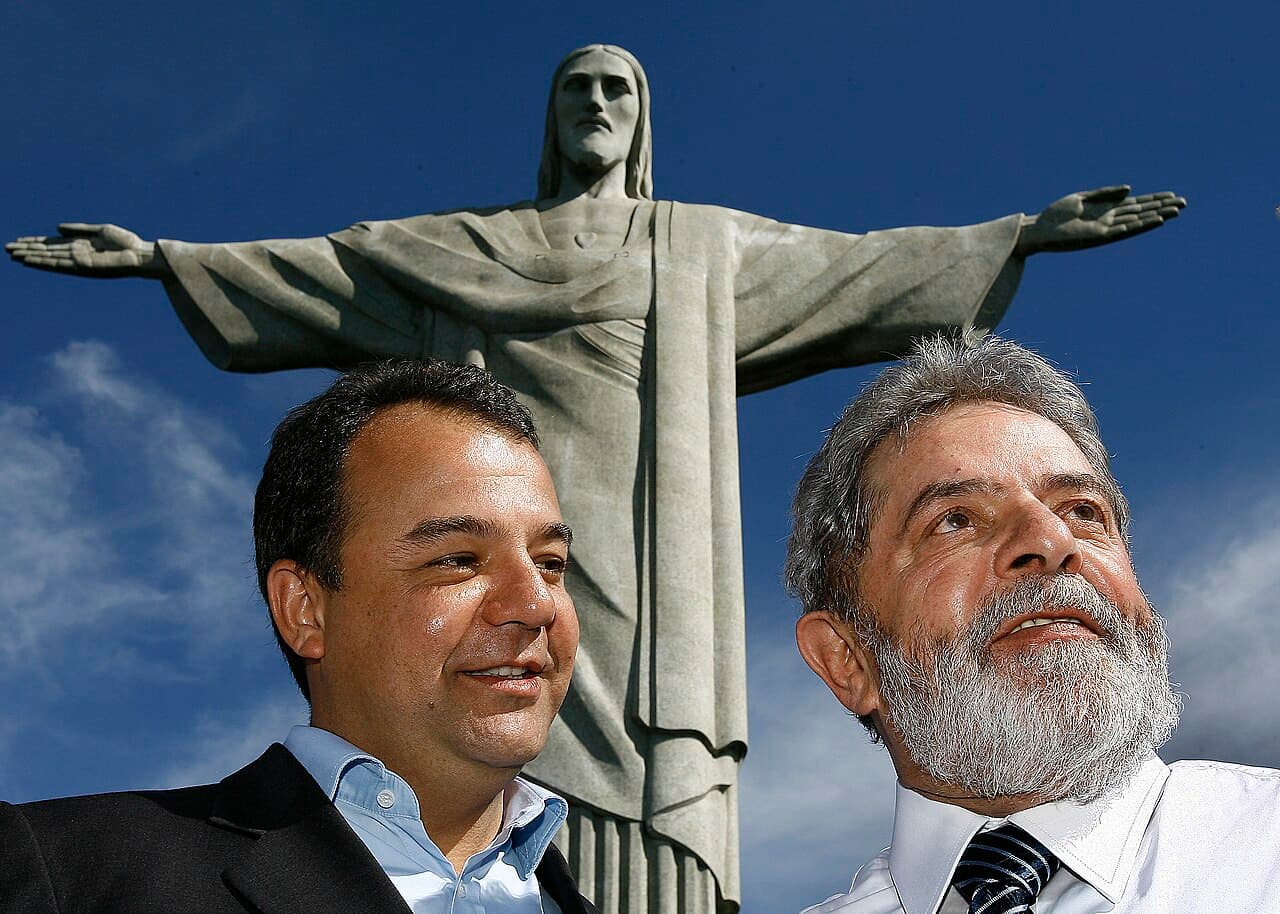
President Luiz Inácio Lula da Silva has publicly demanded the complete lifting of confidentiality on the "Master Case" investigation, which he classified as the "biggest financial crime in Brazil's history," a move that shines a spotlight on a severe institutional crisis within the nation's Supreme Court, the STF (Supremo Tribunal Federal). Lula called for "urgent" action and transparency, arguing that the Brazilian people require explanations for the widening political-judicial conflict surrounding the massive fraud probe.
The crisis intensified when Justice André Mendonça, the case rapporteur and a minister appointed by former President Jair Bolsonaro, authorized the release of confidential police reports from "Operation Compliance Zero." These documents allegedly contain messages from former banker Daniel Vorcaro—the arrested head of the now-liquidated Banco Master—to Justice Alexandre de Moraes, suggesting a close relationship and requests for intervention in the fraud probe. Vorcaro’s bank was liquidated after he was arrested trying to flee the country, in a scheme that investigators estimate caused a loss of R$47.3 billion (approximately $9.5 billion). The investigation into Vorcaro's alleged Ponzi-like scheme has expanded to include ties to politicians from multiple parties, including the family of the former president.
The disclosure of the messages triggered a dramatic public confrontation between Mendonça and Moraes, one of Brazil's most prominent justices, who has overseen sensitive political investigations. Moraes denies any wrongdoing, stating that his contacts with the banker were strictly institutional, while Mendonça has defended his release of the police report. The public dispute is a rare instance of an overt, institutional schism at the highest level of Brazil’s Judiciary, which serves as the ultimate arbiter in matters of constitutional law and political investigation.
President Lula's demand for full disclosure is a response to this institutional breakdown. He criticized "selective leaks" that he argues are being used to impact the upcoming Brazil election—a tight race between his party and figures tied to the former administration. By calling for complete transparency "no matter who it hurts," Lula is attempting to regain control of the narrative and leverage a massive financial fraud case that occurred outside his government. The immediate next step for the crisis is a planned Supreme Court session where the justices are expected to address the matter of Moraes' alleged involvement and the validity of the investigation's current proceedings.
What it touches
The Master Case touches on significant institutional stability and regulatory risk in the Brazilian financial sector, which suffered a major shock with the liquidation of Banco Master following the alleged financial crime. The public and political crisis enveloping the STF, an institution critical for maintaining rule of law and regulatory oversight, introduces market uncertainty regarding the political capacity to maintain an independent and effective judicial system.
Related coverage
Politics · PRO
Brazil’s Dual VAT Reform Kicks Off Operational Test Phase, Forcing All Companies to Adapt Systems in 2026
Published
Politics · PRO
Brazil’s Federal Audit Court Escalates Review of Petrobras Fuel Prices, Highlighting Regulatory Risk
Published
Politics · PRO
Lula’s Last-Minute Bolsa Família Hike Draws Fiscal Heat, TCU Scrutiny Ahead of Brazil Election
Published