
Lula Counters US Tariffs With R$18.5B Brazil Credit Line
Brazil launches an R$18.5 billion ($3.65 billion) sovereign credit line to protect exporters from 25% US tariffs, risking fiscal strain and higher yields.
BRASILIA—Brazilian President Luiz Inacio Lula da Silva signed an executive decree on Wednesday establishing an 18.5 billion reais ($3.65 billion) emergency credit line to shield domestic exporters from newly implemented 25% U.S. tariffs. The massive subsidized credit injection, rolled out under the "Sovereign Brazil" program, aims to insulate targeted local industries but risks widening Brazil's fiscal deficit and driving up long-term bond yields, including the DI1F33 futures contract.
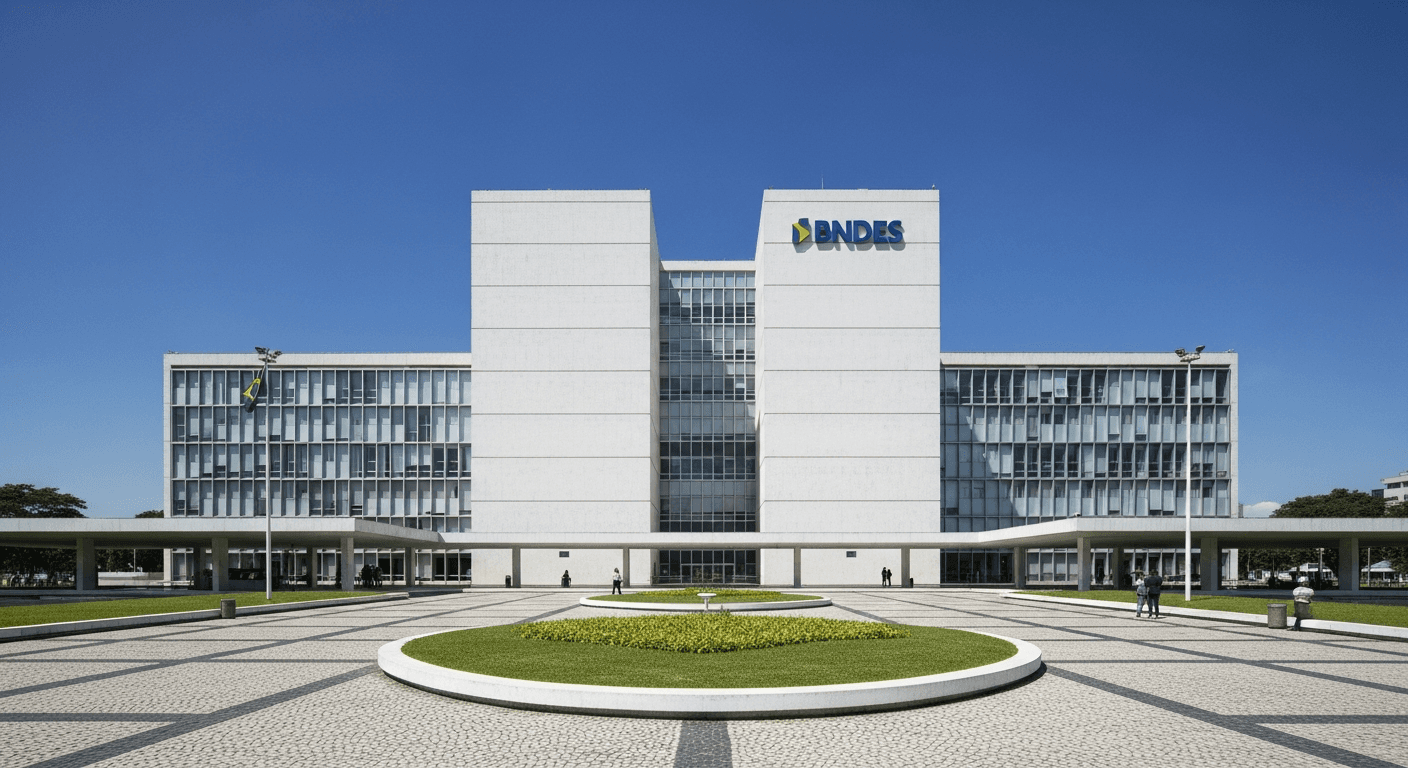
Funding for the relief package consists of 13.5 billion reais ($2.66 billion) from the National Treasury and 5 billion reais from the state-run development bank BNDES. The emergency financing plan is designed to help manufacturers, steel producers, and agricultural exporters pivot to alternative markets across Asia and Europe. The new 25% U.S. tariffs under Section 301 target farm machinery, wood products, ethanol, and apparel, threatening between $7 billion and $11 billion in Brazilian exports.
The aggressive fiscal response comes at a sensitive time for the Brazil stock market today. While the credit line provides a temporary cushion for major exporters, fixed-income markets are reacting to the potential fiscal slippage. Analysts warn that the use of Treasury funds could pressure the Brazilian real forecast and complicate monetary policy. The central bank's Copom decision remains under intense scrutiny, with Brazil interest rates Selic currently sitting at a restrictive 14.25% and Brazil inflation IPCA at 4.64% over the last 12 months.
On the corporate front, the tariff escalations and subsequent government intervention are driving volatility across B3 stocks and major Brazilian ADRs. Investors are closely monitoring the impact on heavyweights like state-controlled oil firm Petrobras (PBR), mining giant Vale (VALE), and financial institutions Itaú Unibanco (ITUB) and Banco Bradesco (BBD), alongside digital banking leader Nu Holdings (NU) and aerospace manufacturer Embraer (ERJ). The benchmark Ibovespa today stood at 177,547.56, while the USD/BRL exchange rate hovered near 5.068.
For global investors managing exposure via the benchmark Brazil ETF (EWZ), the unfolding trade dispute highlights the delicate balance between government-backed corporate lifelines and fiscal discipline. While Lula declared that "there is no crisis that can prevent Brazil from continuing its trajectory of economic growth," the long-term market impact will depend on whether these subsidized credit lines can successfully redirect trade flows without triggering a deeper domestic fiscal sell-off.
Related coverage
Politics · PRO
Brazil Supreme Court Moves to Impose Binding Fiscal Discipline on All Government Spending
Published
Politics · PRO
Brazil’s PPSA Schedules First Auction to Break Petrobras Gas Monopoly, Targeting 50% Price Cut for Industry
Published
Politics · PRO
Brazil’s Election Defined by Stark Fiscal Divide Over High Debt and 13.75% Interest Rate
Published