
Lula Campaign Platform Signals Policy Shift on Security and Guaranteed Real Wage Increases
President Luiz Inácio Lula da Silva’s re-election platform for the October 2026 vote proposes a new Ministry of Public Security and commits to continued real increases in Brazil’s minimum wage.
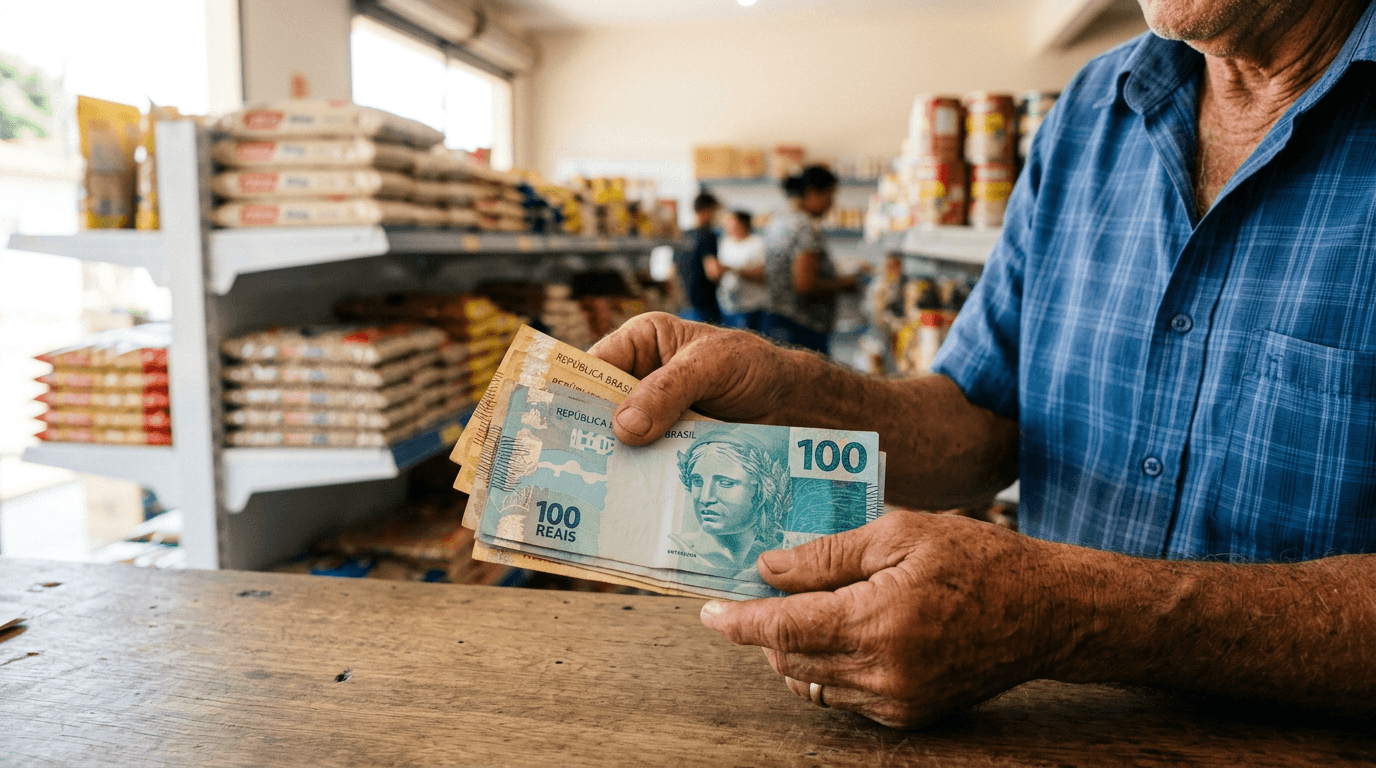
President Luiz Inácio Lula da Silva has formally unveiled his re-election platform for the October 2026 general election, signaling a major proposed shift in public security policy and solidifying a commitment to social spending that will guarantee higher mandatory government outlays. The platform's most notable proposals include the creation of a Ministry of Public Security and the maintenance of a guaranteed real increase for Brazil’s national minimum wage.
The proposed Ministry of Public Security is intended to enhance the federal government’s coordination in a sector historically dominated by state-level control. Lula’s promise to create the new ministry is contingent upon the approval of a Constitutional Amendment (known as the PEC da Segurança Pública) currently being debated in the Senate, which would expand the Union's authority over national security matters. The move comes as crime and violence remain central issues in the campaign, where Lula is locked in a tight race against his main challenger, right-wing Senator Flávio Bolsonaro, the son of the former president.
The commitment to the minimum wage policy is a measure with significant fiscal consequences. It guarantees that the national floor salary (salário mínimo) will receive an annual increase that is above the rate of inflation, ensuring a "real" gain for millions of workers, pensioners, and beneficiaries. The formula for the increase combines the previous year’s National Consumer Price Index (INPC) with the GDP growth rate from two years prior. This policy is a cornerstone of the Workers’ Party (PT) and is projected to raise the minimum wage for 2027 to R$1,741, an increase that outpaces projected inflation.
While the commitment is popular among low-income voters, who represent a crucial base for the president, it also embeds a growing mandatory expense into the federal budget. The minimum wage is the benchmark for pensions and many social benefits in Brazil, meaning a real increase automatically translates into higher costs for the National Social Security Institute (INSS) and other government programs. This pressure on the public finances adds to existing fiscal concerns following the government's recent announcement of a 15% increase in the Bolsa Família welfare program just weeks before the election.
Other stated goals in the platform, which Lula is seeking a fourth non-consecutive term to implement, include strengthening national defense, expanding access to medicines through the Farmácia Popular program, and pursuing tax exemption for the basic food basket. Lula's success in implementing these ambitious proposals will depend heavily on the composition of the National Congress elected in October, where his party and its allies will need to secure a working majority to pass the necessary legislation and constitutional reforms.
What it touches
The guaranteed policy of real increases for the minimum wage represents a permanent structural pressure on the federal budget, as it automatically drives up the mandatory outlays for millions of public pensions and social assistance payments. This fiscal commitment has an impact on the sovereign debt outlook and investor confidence in Brazil’s ability to manage its public accounts over the long term.
Related coverage
Politics · PRO
Lula’s R$691 Welfare Hike Faces Constitutional Showdown as Audit Court Prosecutor Seeks Suspension
Published
Politics · PRO
Lula Links New Equatorial Margin Oil Frontier to Sovereignty, Warning of US Interest
Published
Politics
High-Profile São Paulo Politician Milton Leite Surrenders in PCC Organized Crime Probe
Published