
Lula Campaign Asks Top Court to Bar Rival Flávio Bolsonaro Over Rally Allegations
The incumbent campaign has petitioned Brazil's Superior Electoral Court to declare challenger Flávio Bolsonaro ineligible.
The re-election campaign for Brazilian President Luiz Inácio Lula da Silva has filed a high-stakes legal challenge with the Superior Electoral Court (TSE), seeking to declare rival presidential candidate Flávio Bolsonaro ineligible for office. The move, coming in the final weeks of what polls indicate is a tight race, ratchets up political uncertainty by targeting the main opposition standard-bearer and eldest son of former President Jair Bolsonaro.
Lula’s campaign, under the coalition “Brasil Pronto Pra Mais,” is alleging that Flávio Bolsonaro, a sitting Senator for Rio de Janeiro, committed an abuse of economic power and political authority during a campaign stop at the massive Festa do Peão de Barretos (Barretos Peasant Festival) in São Paulo state on August 22. The TSE petition claims that the Bolsonaro campaign used the event's infrastructure—including sound, lighting, and a massive stage—to hold a disguised political rally, or "showmício," before an audience of an estimated 60,000 people. This use of corporate and public-funded infrastructure for an organized campaign event, the petition argues, constitutes an improper corporate donation to the campaign, a violation of electoral law that can lead to ineligibility for eight years.
The challenger, Flávio Bolsonaro, became the Liberal Party (PL) candidate and the recognized heir to the "Bolsonarism" movement after his father, the former President, was declared politically ineligible in 2023. The filing of the legal action against a front-running candidate in late August, weeks before the October 4 first-round vote, injects a new and immediate element of institutional risk into the Brazilian political landscape. The Bolsonaro campaign has denied any irregularities, stating Flávio Bolsonaro was merely a guest and only delivered a brief, minute-long speech. Meanwhile, the campaign is focusing on finalizing its platform, which includes proposals for judicial reform and the end of re-election for executive posts.
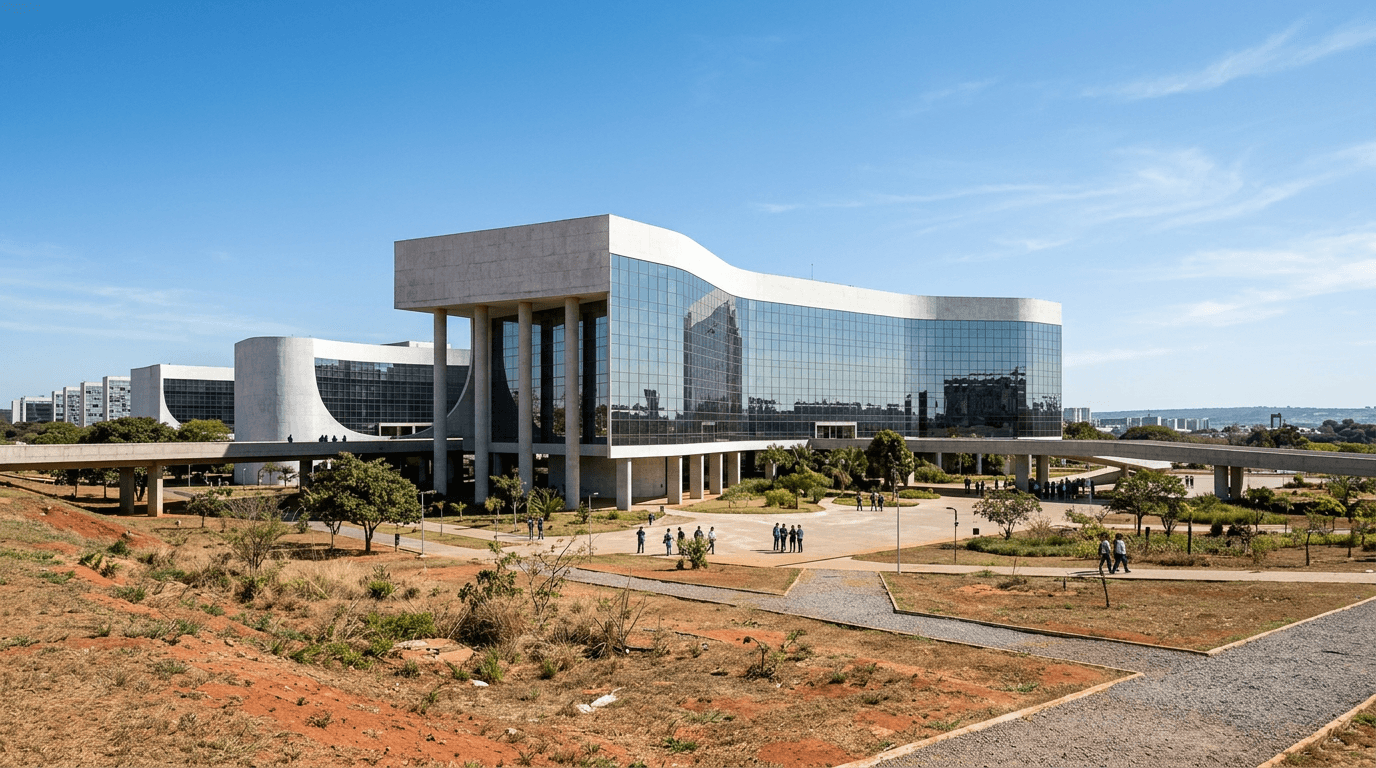
The challenge now rests with the Superior Electoral Court (TSE), which is responsible for adjudicating all matters related to elections in Brazil. A specific justice has been assigned to oversee the case, but the filing of the petition does not automatically mean the candidate is ineligible; rather, the TSE must now analyze the accusations, hear the defense, and render a judgment. The timing of the court’s decision will be critical, as any action against the challenger so close to the election could drastically reshape the race.
What it touches
The sudden escalation of a high-profile legal challenge against a leading presidential candidate increases the country's political risk premium, a sentiment that typically translates into elevated volatility for the Brazilian Real (BRL) against the US dollar and other currencies. Heightened electoral uncertainty often causes foreign investors to seek higher compensation for holding Brazilian assets, potentially impacting local stock market performance.