
Flávio Bolsonaro Leads Runoff Polls as Right-Wing Coalition Consolidates
Senator Flávio Bolsonaro holds a slight lead over President Lula in the first post-election polls ahead of Brazil's high-stakes presidential runoff on October 25.
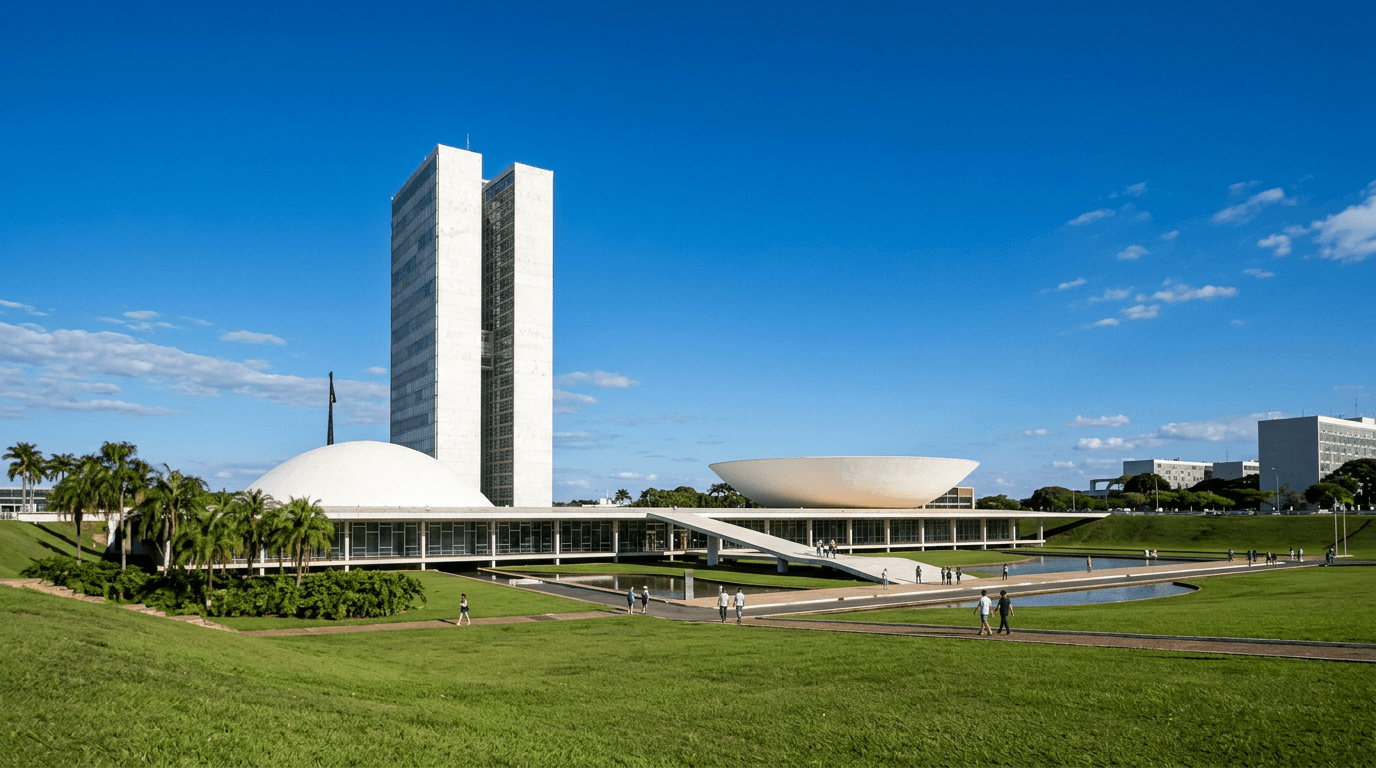
Following a historic first-round surge that upended expectations in Latin America’s largest democracy, conservative Senator Flávio Bolsonaro has taken a slight lead in the initial polls ahead of the October 25 presidential runoff. The 45-year-old lawmaker, who is the eldest son of former President Jair Bolsonaro, is consolidating support from Brazil's powerful regional governors and centrist factions, leaving incumbent President Luiz Inácio Lula da Silva facing an unprecedented uphill battle to secure a consecutive term.
In the first-round vote on October 4, Flávio Bolsonaro secured 47.03% of the vote (56.1 million votes), outperforming the 80-year-old Lula, who garnered 45.16% (53.8 million votes). The narrow 1.87 percentage point gap represents the first time in modern Brazilian democratic history that an incumbent president finished the first round in second place. Since no candidate reached the 50% threshold required for an outright victory, the two rivals must now face off in a decisive second-round ballot.
The momentum has continued to swing toward the right in post-election polling. A Datafolha survey conducted on October 6 and 7 showed Flávio Bolsonaro leading the runoff race with 52% of valid votes against Lula's 48%. A separate poll by PoderData also showed the conservative candidate ahead with 53% of valid votes to Lula's 47%. While the Datafolha results technically represent a statistical tie due to a two-percentage-point margin of error, the figures highlight a significant shift in voter sentiment, particularly as 94% of voters surveyed report that their minds are already made up.
The Right-Wing Coalition Solidifies
Flávio Bolsonaro's campaign has received a major boost from key conservative regional leaders who command significant influence over large voter bases. Minas Gerais Governor Romeu Zema and Goiás Governor Ronaldo Caiado, both of whom ran minor presidential campaigns in the first round, have officially backed the younger Bolsonaro for the runoff. This consolidation of regional power is mirrored in the legislative branch, where the right-leaning Liberal Party (PL) achieved a historic expansion on October 4, growing to 121 seats in the Chamber of Deputies and 28 seats in the Senate to become the largest single party in both houses.
For international observers, the potential return of the Bolsonaro family to the presidency signals a sharp pivot in Brazil's domestic and foreign policy. While Lula's administration has focused on social spending and environmental protections, a Flávio Bolsonaro presidency would likely prioritize market-friendly reforms, privatization, and deregulation. However, a victory for the right would also test the country's institutional balance, as the next president will have the opportunity to appoint up to four justices to the 11-member Supreme Federal Court.
The final stretch of the campaign will test whether Lula can mobilize disengaged voters and chip away at his rival's lead during the upcoming televised debates. No candidate who has finished the first round in second place has ever gone on to win the presidency since Brazil restored direct elections in 1989, meaning the incumbent must break a decades-old historical precedent to retain power.
What it touches
The prospect of a shift in the executive branch directly impacts the iShares MSCI Brazil ETF (EWZ), the primary exchange-traded fund used by foreign investors to access Brazilian equities. A victory for Flávio Bolsonaro would likely ease concerns over fiscal expansion and boost state-controlled enterprises, which have faced regulatory uncertainty under the current administration, though it could also renew international scrutiny regarding environmental policies in the Amazon.