
BRB Rescue Stalls Over Missing Financials and Guarantee Demands
A stalled R$6.6 billion rescue for Banco de Brasília (BRB) over missing financial statements and guarantee disputes raises systemic risks for Brazilian assets.
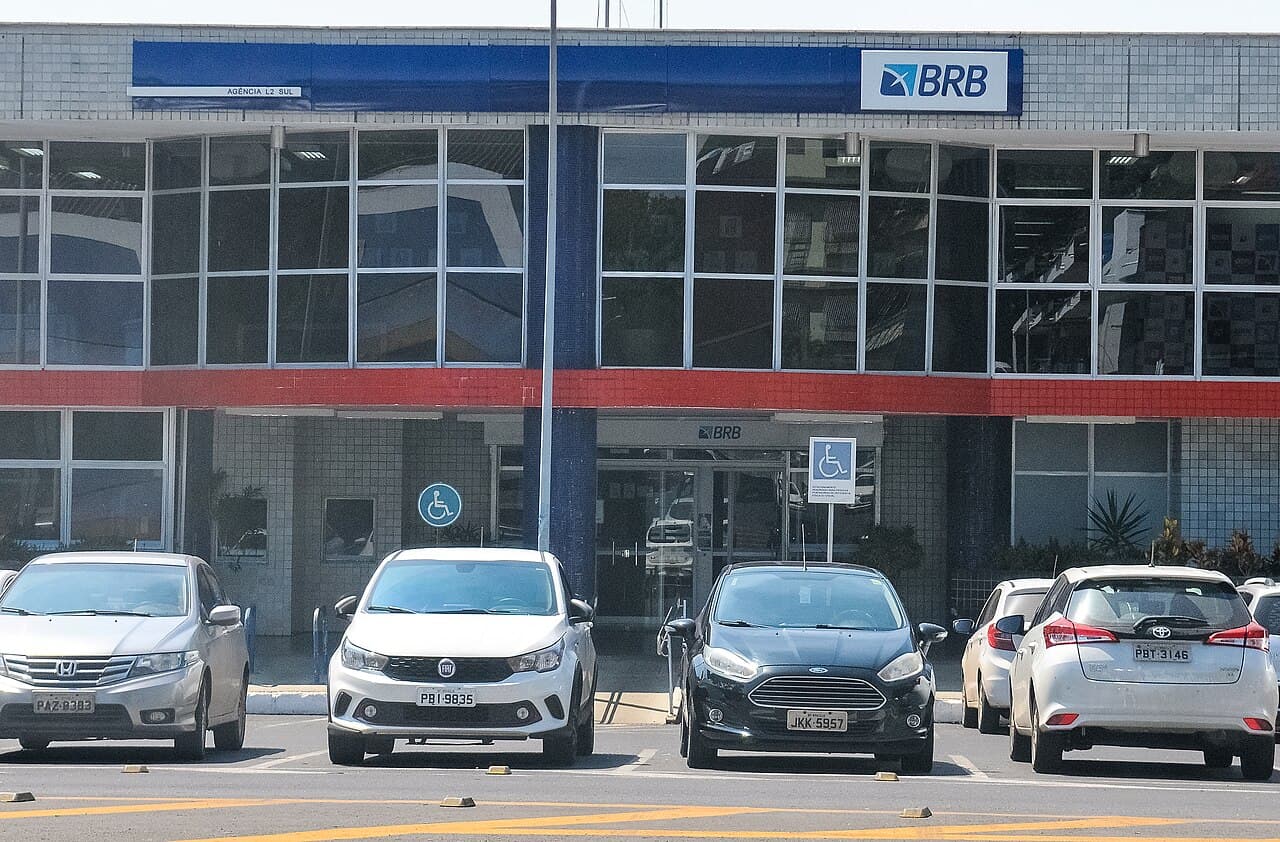
The massive R$6.6 billion financial rescue package for the state-owned Banco de Brasília (BRB) remains stalled, with private lenders refusing to underwrite the deal unless federal public banks, including Banco do Brasil (BBAS3), step in as guarantors to absorb the associated risk. The impasse highlights acute systemic risk concerns and potential government exposure stemming from the bank’s crisis following its exposure to the collapsed Banco Master. Central Bank President Gabriel Galípolo has been engaged in negotiations amid the delays, which signal a significant political and regulatory challenge for Brazil's financial stability.
The core of the problem for investors is a failure of transparency and a fundamental disagreement over contingent liability. The planned rescue involves the Fundo Garantidor de Crédito (FGC), the country’s deposit insurance fund, extending the R$6.6 billion loan to the Federal District government (BRB’s controlling shareholder). The loan is meant to be guaranteed by a consortium of banks, but private institutions like Itaú Unibanco, Bradesco, Santander, and BTG Pactual are reportedly balking at the legal risks associated with the proposed counter-guarantees—the use of federal revenue transfers (FPE/FPM) owed to Brasília. Critically, the private banks’ due diligence is hampered by BRB's failure to publish its financial statements since June 2024, leaving the consortium blind to the full extent of the bank’s hole.
The demand by private banks for federal public institutions like Banco do Brasil and Caixa Econômica Federal to act as primary risk absorbers places the political cost of the BRB crisis directly on the federal government. This contingent liability is likely to weigh on sentiment towards federally controlled assets like Banco do Brasil (BBAS3), and broad market indexes such as the Ibovespa today (IBOV). While the broader Brazil ETF (EWZ) remains relatively stable, the crisis introduces an unpriced risk premium into the financial sector. Any forced intervention or guarantee by the public banks could be seen as an informal bailout, raising questions about the separation between political and financial risk management in Brazil.
The continued political coordination required to resolve the stand-off means the rescue is moving from a technical financial operation to a high-stakes political negotiation. Investors should watch for any official statement from the Ministry of Finance regarding the role of Banco do Brasil or Caixa, as an official government mandate for them to assume risk would signal federal assumption of the burden. Absent a political solution, the BRB crisis threatens to inject instability into the local financial market, potentially adding pressure to the USD BRL exchange rate, which currently trades near R$5.09. The next material development will be any decision regarding the mandatory release of BRB's missing financial statements, a precondition for private banks to move forward.
Related coverage
Politics · PRO
Brazil Supreme Court Moves to Impose Binding Fiscal Discipline on All Government Spending
Published
Politics · PRO
Brazil’s PPSA Schedules First Auction to Break Petrobras Gas Monopoly, Targeting 50% Price Cut for Industry
Published
Politics · PRO
Brazil’s Election Defined by Stark Fiscal Divide Over High Debt and 13.75% Interest Rate
Published