
Brazil’s Presidential Race Hinges on Contrasting, Criticized Fiscal Plans
Lula and Flávio Bolsonaro offer starkly different fiscal strategies to tackle Brazil's rising public debt, but neither plan satisfies economists.
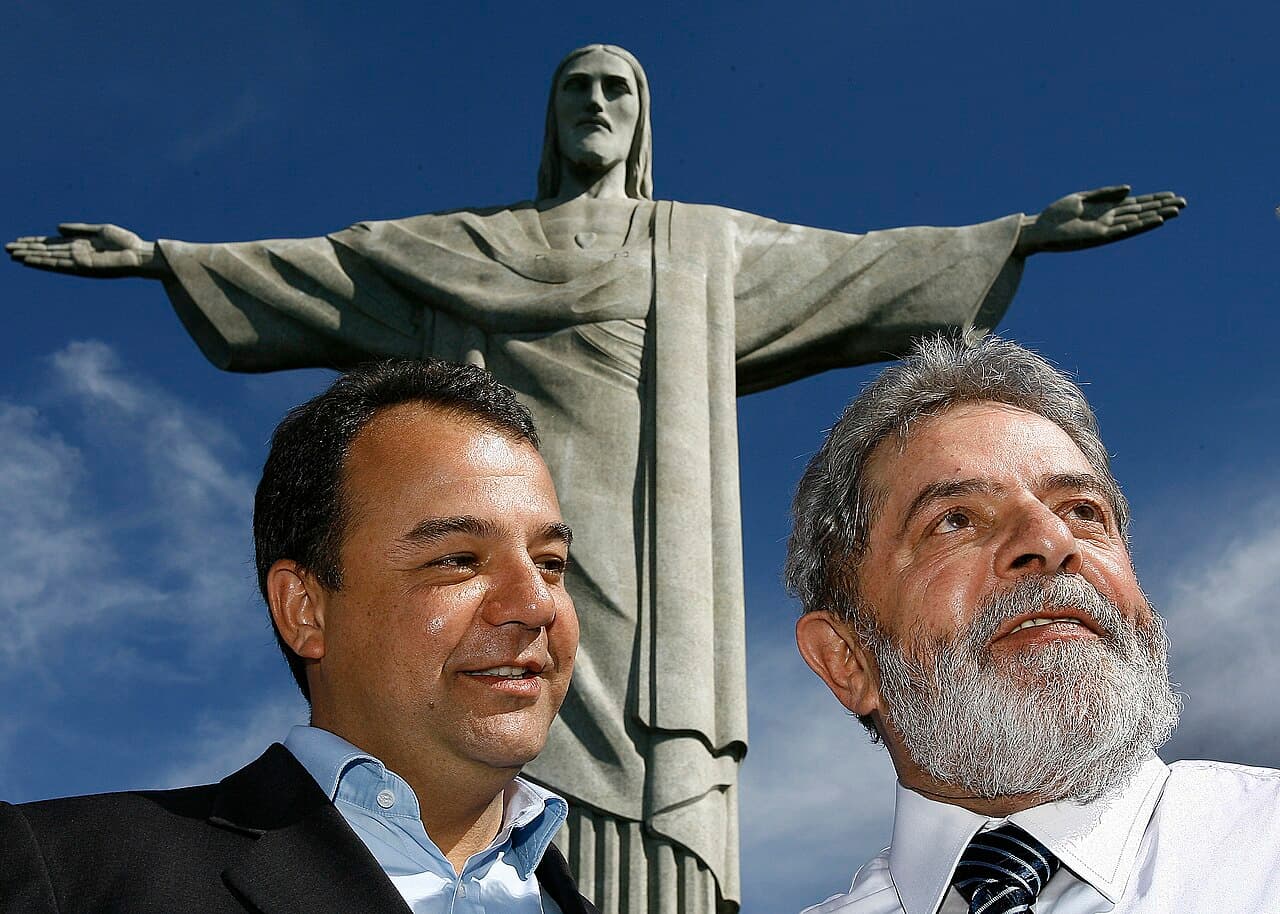
The battle for Brazil’s presidency, set for October, is being fought over two fundamentally different—yet both widely criticized—strategies for controlling the nation's soaring public debt and stabilizing the economy. Incumbent President Luiz Inácio Lula da Silva of the leftist Workers’ Party (PT) is staking his re-election bid on maintaining his administration’s current fiscal framework, which relies heavily on new tax adjustments to increase revenue, while leading challenger Senator Flávio Bolsonaro (PL) proposes scrapping the framework entirely for a new rule that ties federal spending directly to the trajectory of the public debt. The urgency of the debate is underscored by Brazil's gross public debt, which climbed to 81.9% of Gross Domestic Product (GDP) in June, an increase of more than 10 percentage points since President Lula began his current term in January 2023, according to Central Bank data.
President Lula’s current strategy centers on the fiscal framework approved in 2023, which caps real expenditure growth between 0.6% and 2.5% annually and limits it to no more than 70% of revenue growth. The government’s hope was that an array of revenue-raising measures—including higher taxes on certain financial operations and a major reform that expands income tax exemption for lower earners while creating a minimum tax for high-income brackets—would be enough to stabilize the accounts. However, analysts note that the rise in spending has offset the revenue gains, allowing the national debt to accelerate, suggesting the framework and its revenue-led approach have failed to bend the debt trajectory.
In stark contrast, Flávio Bolsonaro, the son of former President Jair Bolsonaro and the leading right-wing challenger, proposes to overhaul the rules with a more stringent, debt-linked mechanism. His team has outlined a proposal for a constitutional public debt ceiling that would automatically trigger a spending cap if the debt-to-GDP ratio crosses a predetermined threshold. This mechanism, which his campaign advisor Adolfo Sachsida has previously advocated should be set around 65% of GDP, would effectively mandate a sharp correction known informally as a 'Tesouraço' (big cut), which could reduce real spending growth to zero. Bolsonaro has also promised deep cuts to the state machine and a review of tax breaks to achieve a fiscal adjustment equivalent to 1.5% of GDP, while simultaneously pledging tax reduction and increases in security spending—a tension that critics say undermines the credibility of the proposal.
For voters and investors, the choice is between an incumbent who prioritizes revenue-based social investment and accepts a higher debt ceiling, and a challenger who promises aggressive spending cuts and a fiscal anchor focused on debt stabilization. Economists from across the political spectrum are united in warning that neither candidate has proposed a plan robust enough to correct the course of the nation’s finances. Stabilizing Brazil's debt by 2031 would require a sustained fiscal effort of at least 2.5% of GDP, a scale that analysts at Barclays say seems unlikely to be engineered by either candidate. With a fragmented Congress to be elected alongside the president, the next administration will face immense political resistance to the deep cuts or tax increases necessary to avert a continued upward march in the debt-to-GDP ratio.
What it touches The stark uncertainty surrounding the next government’s commitment to controlling the national debt is the primary driver of the Brazil Country Risk Premium ahead of the election. Should the next administration fail to implement a credible debt stabilization plan, the high cost of servicing the national debt could continue to weigh on long-term interest rates and affect the valuation of Brazilian assets traded on the B3 stock exchange.