
Brazil’s Labour Court Rules Correios Strike Not Abusive, Mandates Return to Work With Pay Compensation
Brazil’s Superior Labour Court declared the Correios postal strike not abusive, ordering an immediate return to work while mandating the company compensate workers for missed days.
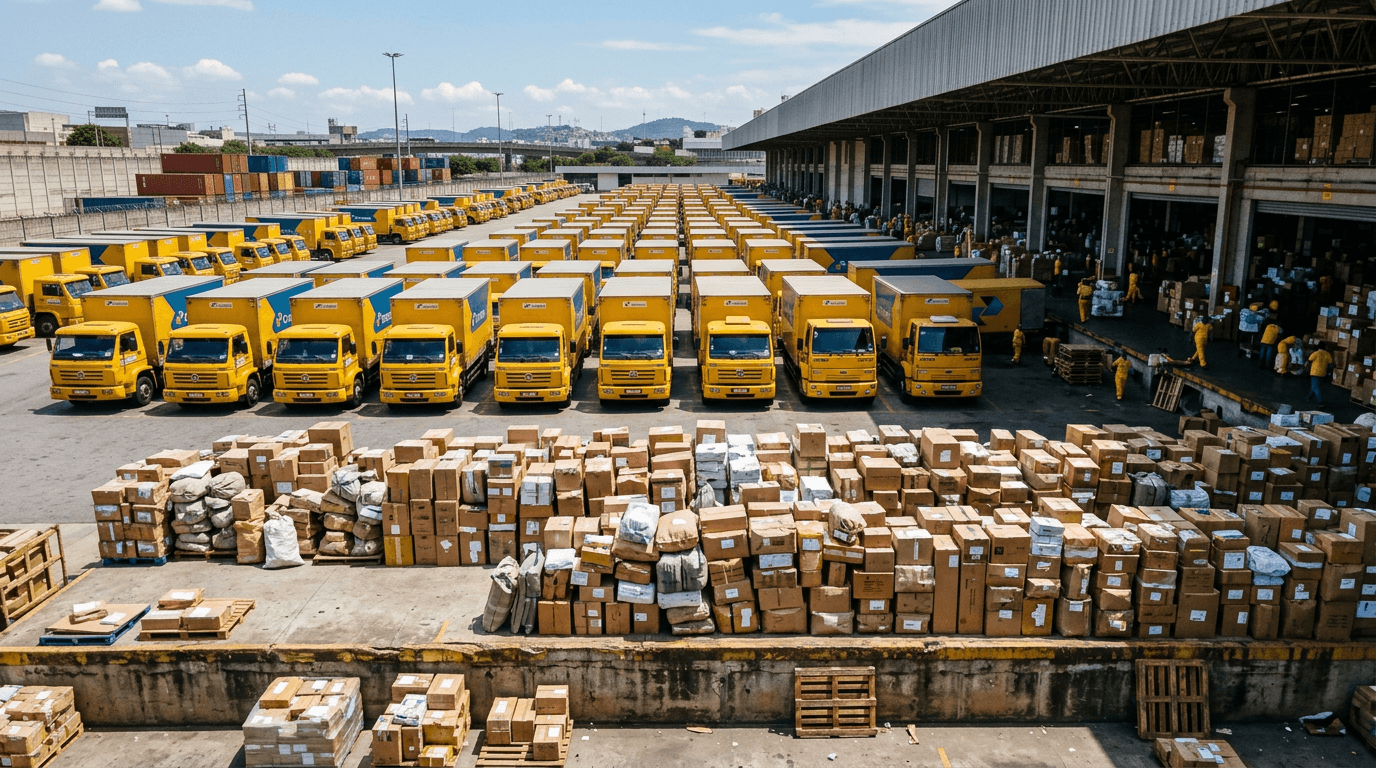
The Superior Labour Court (TST) of Brazil ruled on Thursday that the nationwide strike by workers at the state-owned postal service, Correios, was "not abusive," denying the company’s central request but ordering an immediate return to work. The ruling resolves a two-week stoppage that disrupted mail and package delivery across the country and provides a financial win for the striking workers that could complicate the company's ongoing restructuring efforts.
The TST, Brazil's highest labour court, mandated that employees must report back to work starting Friday, September 25. Critically, the court ordered that the days missed during the strike must be compensated, meaning the workers will be allowed to work off the time to receive their full pay, rather than face salary deductions. Correios had sought to have the strike declared abusive, which would have allowed it to terminate the movement and apply immediate, full pay cuts to striking employees.
The strike began on September 10 after the company and the workers’ unions failed to reach an agreement on a new collective bargaining pact. The central point of contention was the company's proposal to alter the health plan for employees, retirees, and their dependents. Unions argued that the changes would shift a higher cost burden onto employees, a financial move the company said was necessary to stabilize its finances.
The TST’s decision to allow compensation for the days not worked creates a financial obligation for the state-owned enterprise (SOE). Correios, which is Brazil’s national post office, is currently under intense financial pressure and has been seeking billions of reais in loans and undergoing restructuring, including a voluntary dismissal plan and the closure of some units, to restore its fiscal health. The strike action and its judicial resolution occur in the context of ongoing discussions in Brasília about privatization and reform of key SOEs.
The ruling underscores the power of organized labour in Brazil's critical public services and means the company will have to absorb the cost of compensating the strike days while attempting to implement its wider financial recovery plan. Both sides will now return to the negotiating table to finalize the collective agreement, with the TST setting a baseline that favors the workers' right to strike.
What it touches
The ruling touches on the financial health of the state-owned enterprise Correios and the wider political debate around the restructuring and privatization of Brazilian SOEs. The cost implications of the TST's decision add another layer of complexity to the company’s efforts to reduce costs ahead of any potential sale or capital injection.
Related coverage
Politics
Lula and Bolsonaro Offer Dueling Plans to Avert Brazil’s Fiscal Crisis
Published
Politics · PRO
Shared Private Jet Links Bolsonaro, Supreme Court Justice to Investigate Banker Daniel Vorcaro
Published
Politics
Brazil Judicial Council Raids Federal Judge Over R$427 Million Corruption Probe
Published