
Brazil’s FGTS Council Frees R$4.5 Billion in Infrastructure Funds for Sanitation Projects
Brazil's powerful FGTS Curatorial Council approved the redemption of R$4.5 billion from its infrastructure fund to finance stalled sanitation and water works.
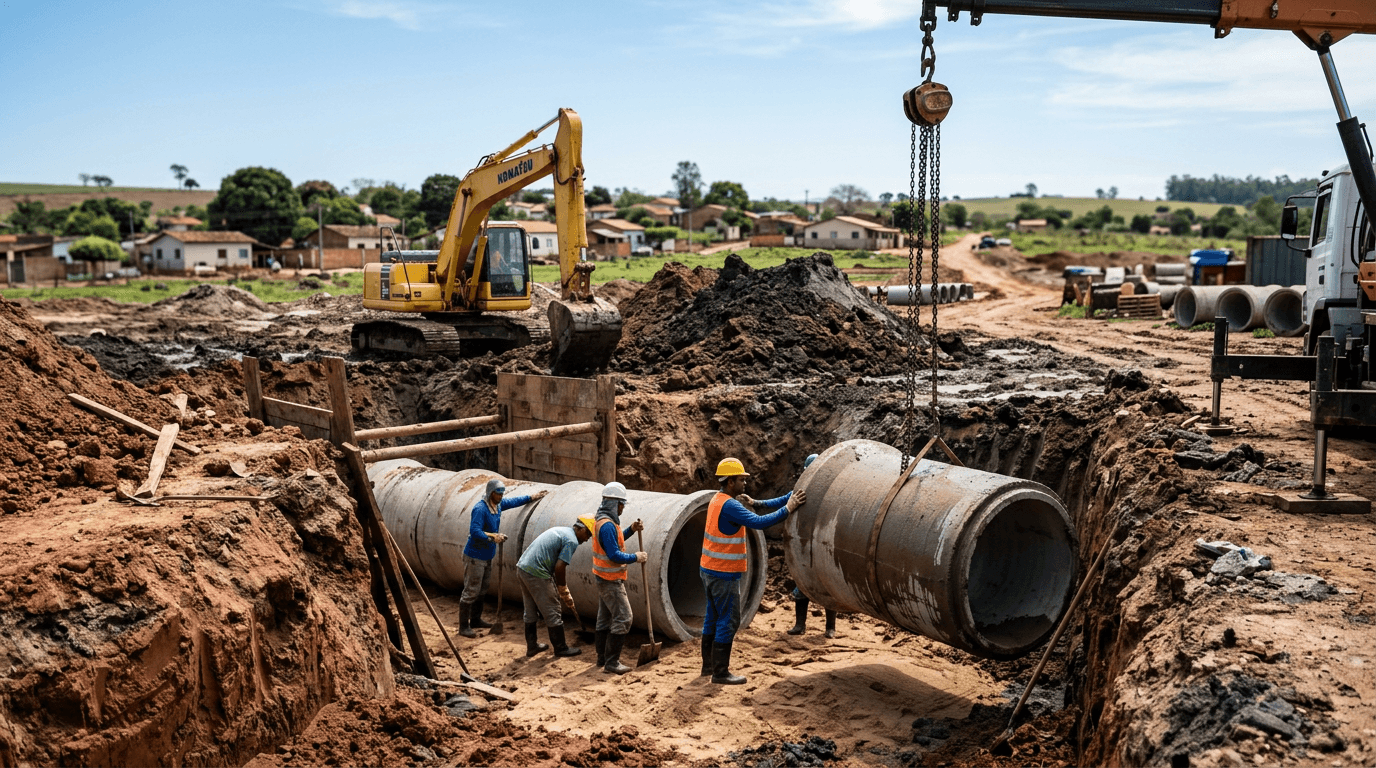
The federal body that manages Brazil’s massive worker-financed guarantee fund has freed R$4.5 billion (approximately $880 million) from an infrastructure investment vehicle, earmarking the funds for critical sanitation and water infrastructure projects across the country. The decision, made Thursday by the Curatorial Council of the FGTS (Guarantee Fund for Length of Service), is intended to unblock stalled or slow-moving works by providing a new infusion of capital.
The capital is being drawn from the FI-FGTS (Infrastructure Investment Fund of the FGTS), a vehicle created to direct a portion of the FGTS's assets into large-scale infrastructure projects. The R$4.5 billion amount represents the return and remuneration generated from previous investments within the fund. The move is a direct effort to accelerate the implementation of Brazil's new sanitation framework, which seeks to universalize water and sewage services by 2033.
For a foreign reader, the FGTS is a unique and powerful institution: it is a fund made up of compulsory employer deposits for every formal worker in Brazil, functioning as a severance guarantee and a major source of credit for the housing, sanitation, and infrastructure sectors. The Curatorial Council, composed of representatives from the government, employers, and employees, decides how its nearly $200 billion in assets are applied to advance public policy goals.
In a separate but related measure, the Council also approved an additional R$500 million in subsidies for the government’s flagship low-income housing program, Minha Casa, Minha Vida (My House, My Life). This top-up increases the total annual subsidy budget for the program to R$13 billion for the year, targeting lower-income families with monthly earnings up to R$5,000 (roughly $980). The subsidies are used to provide discounts on home financing, making property accessible to those who would not otherwise qualify for a mortgage.
The R$4.5 billion injection into sanitation works is significant because many projects that were developed under the previous regulatory model have struggled to secure full financing or face delays. The fund's managers are now working to adjust contract terms, including grace periods and repayment schedules, to ensure the funds can be rapidly deployed to jump-start construction and bring basic services to more communities.
What it touches
The reallocation of funds directly impacts the Brazilian construction and sanitation sectors. Companies involved in water treatment, sewage collection, and general civil engineering will see an increased pipeline of government-backed projects. The infrastructure investment also signals potential activity for firms focused on pipes, pumps, and other material inputs for the sector. The boost to the Minha Casa, Minha Vida program maintains strong demand for lower-end residential development and construction materials.