
Brazil’s CMN Expands Rural Debt Renegotiation Window for Climate-Affected Farmers
Brazil's top financial policy body extended the deadline for debt relief for producers hit by extreme weather.
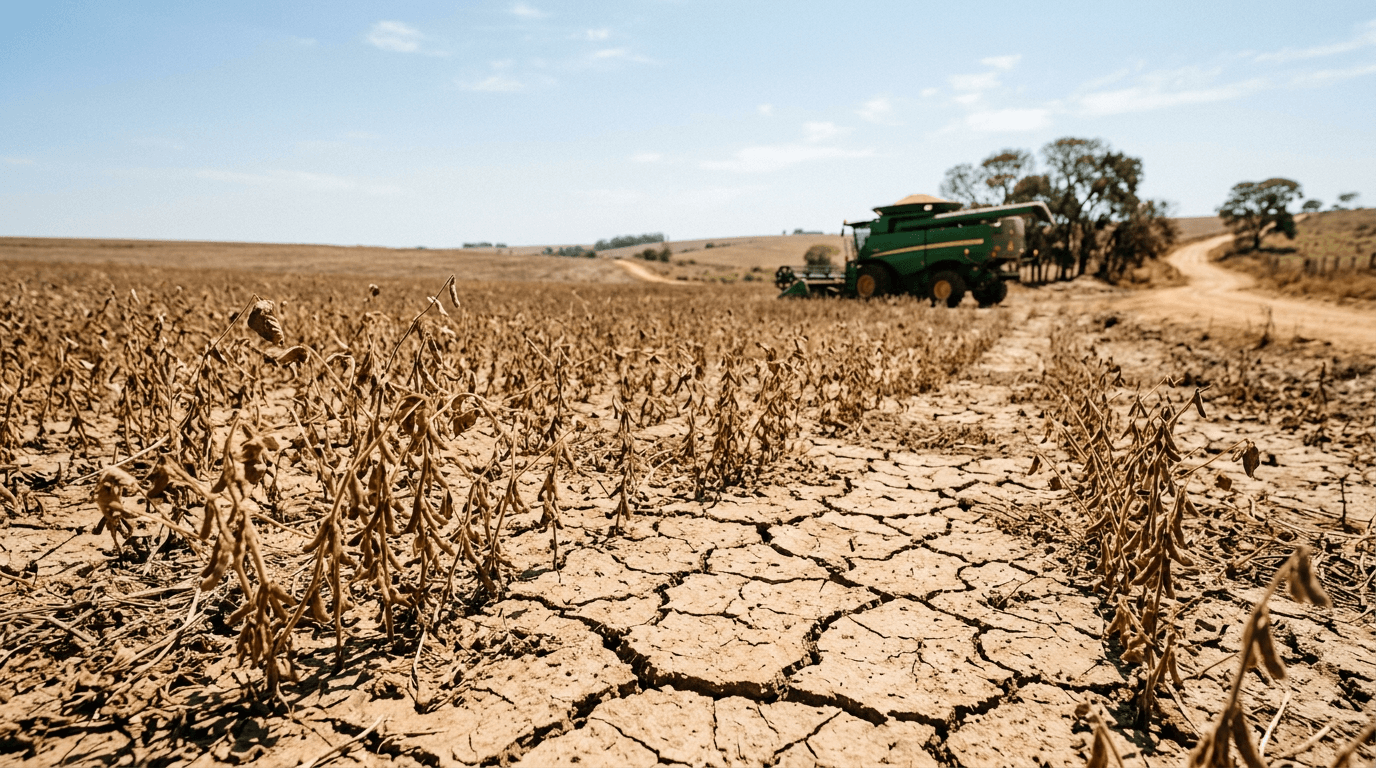
Brazil’s top financial policy body, the National Monetary Council (CMN), has approved a measure to expand the eligibility and extend the deadline for rural debt renegotiation for producers hit by extreme climate events and market fluctuations. The decision is a direct policy move to ease financial pressure on Brazil’s critical agribusiness sector, which has faced mounting debt from successive years of poor harvests due to droughts and floods. The CMN’s action provides a new lifeline, particularly for farmers who were previously excluded due to missed bureaucratic deadlines or operational issues.
The expansion allows producers and agricultural cooperatives who met the original criteria but failed to finalize their contracts to access the crucial credit lines. The original debt relief program, approved under an earlier CMN resolution, was intended to help farmers who suffered significant income losses. However, many who qualified became ineligible because they could not complete the formalization of their debt composition in time.
The measure covers debt under several key government credit programs, including the Program for Strengthening Family Farming (Pronaf) and the National Program for Support to Medium-Sized Rural Producers (Pronamp), as well as financing from the Constitutional Funds (FNO, FNE, FCO) which are vital for regional development. For the foreign reader, these are the subsidized credit mechanisms that form the backbone of Brazil’s agricultural financing, targeting small and medium-sized farmers who are often more vulnerable to weather volatility and make up a large part of the political constituency.
Producers who can demonstrate losses due to extreme weather are now given a fresh opportunity to structure their repayment terms. The new, firm deadline for contracting the debt composition is November 12, 2026. Financial institutions, however, must still conduct a credit analysis and may reassess collateral, meaning the re-composition is not automatic approval for every debt. The extension signals the government's continued recognition that maintaining the financial health of the sector is key to Brazil’s overall economic stability and its role as a major global food exporter.
What it touches The move directly supports the credit quality of the vast rural debt portfolio held by major Brazilian banks and regional development funds, and should reduce the risk of default across the agribusiness sector. While the CMN decision is policy-driven, its effect will be felt across the publicly traded supply chain, including agricultural input suppliers and companies tied to Brazil’s commodity exports.