
Brazilian Manufacturers Shift Production to Paraguay Over Tax Reform, High Interest Rates
Brazilian companies are expanding operations into Paraguay, seeking a refuge from Brazil’s high costs, tax complexity, and new levies.
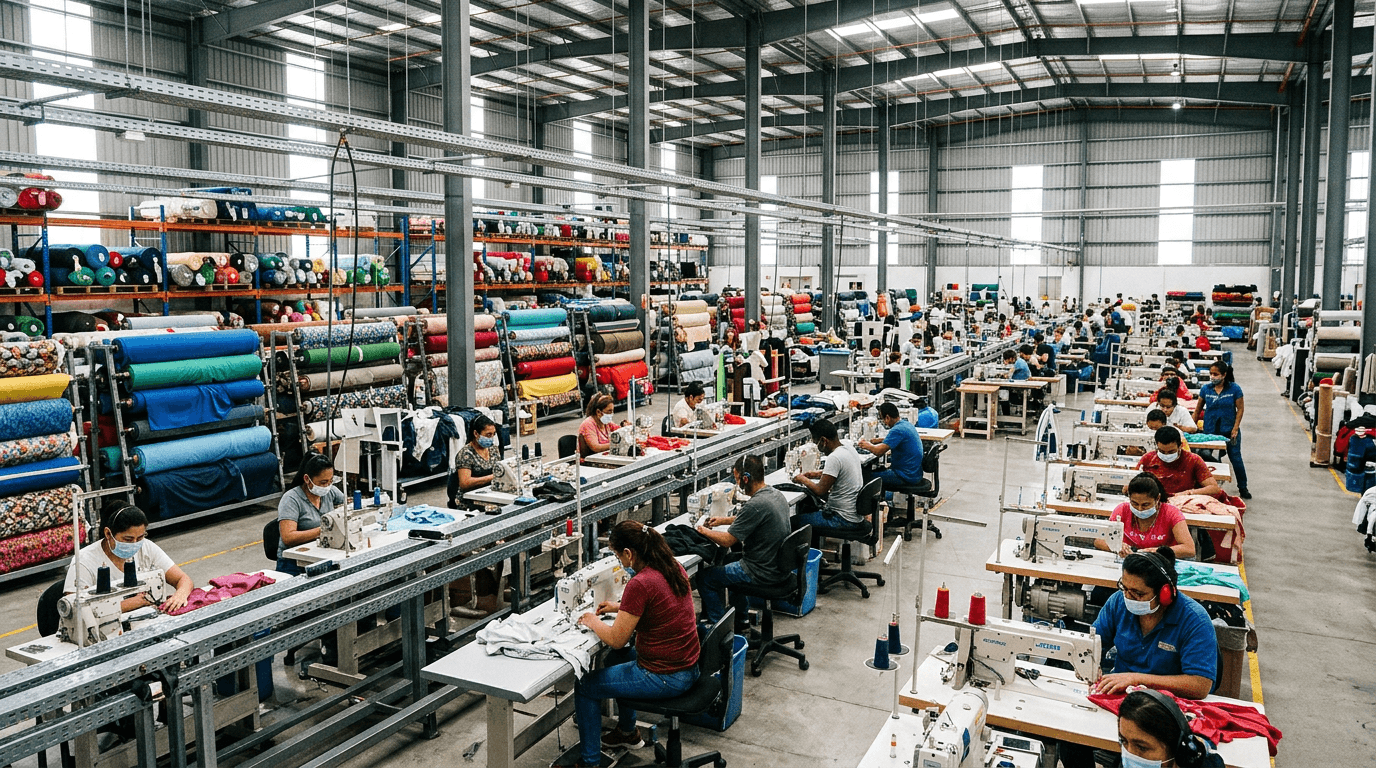
A growing number of Brazilian industrial manufacturers are either moving production or opening significant new facilities in neighboring Paraguay, driven by the uncertainty surrounding Brazil's ongoing tax reform and the continued pressure of high domestic operating costs. Consultancies are reporting a spike in interest from companies seeking to escape the complexity of the Custo Brasil and the prospect of a heavier tax burden under the new system being debated in the National Congress.
The shift is being actively encouraged by Paraguay, which offers a dramatically simpler and lighter tax structure that has positioned it as a regional magnet for foreign direct investment. Paraguay operates a simple “10-10-10” system—a flat 10% rate for Corporate Income Tax, Value Added Tax (VAT), and Personal Income Tax—which is vastly more straightforward than Brazil's convoluted system. For manufacturers focused on exports, the country’s maquila regime is the main draw, cutting the effective tax on value-added to just 1% in exchange for using Paraguay as a production base. This predictability and the lower cost of energy and labor are translating into estimated operational cost reductions of 28% to 30% for some textile and footwear manufacturers. Companies such as textile maker Karsten and footwear giant Grupo Dass have already expanded operations across the border, joining more than 230 Brazilian companies that have established a presence under the maquila regime.
For Brazilian firms, the migration offers an attractive hedge against domestic policy risk. While high domestic interest rates—with the benchmark Selic rate holding steady—make capital expensive for new projects, Paraguay is sweetening its offer by providing access to long-term, competitive financing. Paraguayan development agencies have launched credit lines, including one targeted at up to US$100 million, to fund companies looking to move or expand, offering loans with favorable terms to cement its role as a regional industrial platform. The exodus is so pronounced that political leaders in major industrial centers like São Paulo have publicly raised alarm about the loss of manufacturing and jobs to its neighbor.
The underlying issue for the Brazilian economy is the Custo Brasil, a basket of structural issues—high taxes, excessive bureaucracy, complex logistics, and elevated credit costs—that make manufacturing expensive. The proposed Brazil tax reform, which aims to replace five federal taxes with a new dual Value-Added Tax (the Contribution on Goods and Services, or CBS, and the Tax on Goods and Services, or IBS), has fueled corporate anxiety over a potential increase in the overall effective tax burden for many sectors. The next phase of reform, which is expected to include a contentious proposal to tax dividends and modify the corporate income tax, will be closely watched by the industrial sector for any further sign that domestic costs are set to rise, which would likely accelerate the outflow to countries like Paraguay.
What it touches
The industrial migration to Paraguay has a direct impact on Brazil's logistics and industrial real estate sectors, particularly in states bordering Paraguay such as Paraná and Mato Grosso do Sul. Companies reducing their Brazilian operational footprint may decrease demand for domestic logistics services and industrial warehousing. Conversely, logistics firms specializing in cross-border trade and those serving the Paraguay-Brazil corridor via the Mercosur trade bloc—which allows tariff-free re-entry of goods—are likely to see increased volumes.
Related coverage
Politics · PRO
Tight Brazil Presidential Race Fuels Major Fiscal Policy Uncertainty Ahead of October Vote
Published
Politics
Brazil Presidential Race Enters Final Week in Technical Tie, Driving Political Uncertainty
Published
Politics
Brazil’s Lula Blasts UN Security Council 'Inaction,' Demands Global South Permanent Seats
Published