
Brazil TSE to Decide if Former DF Governor Arruda Can Run
Brazil's high electoral court, the TSE, will rule on whether former DF Governor José Roberto Arruda remains barred from running under the Clean Slate Law.
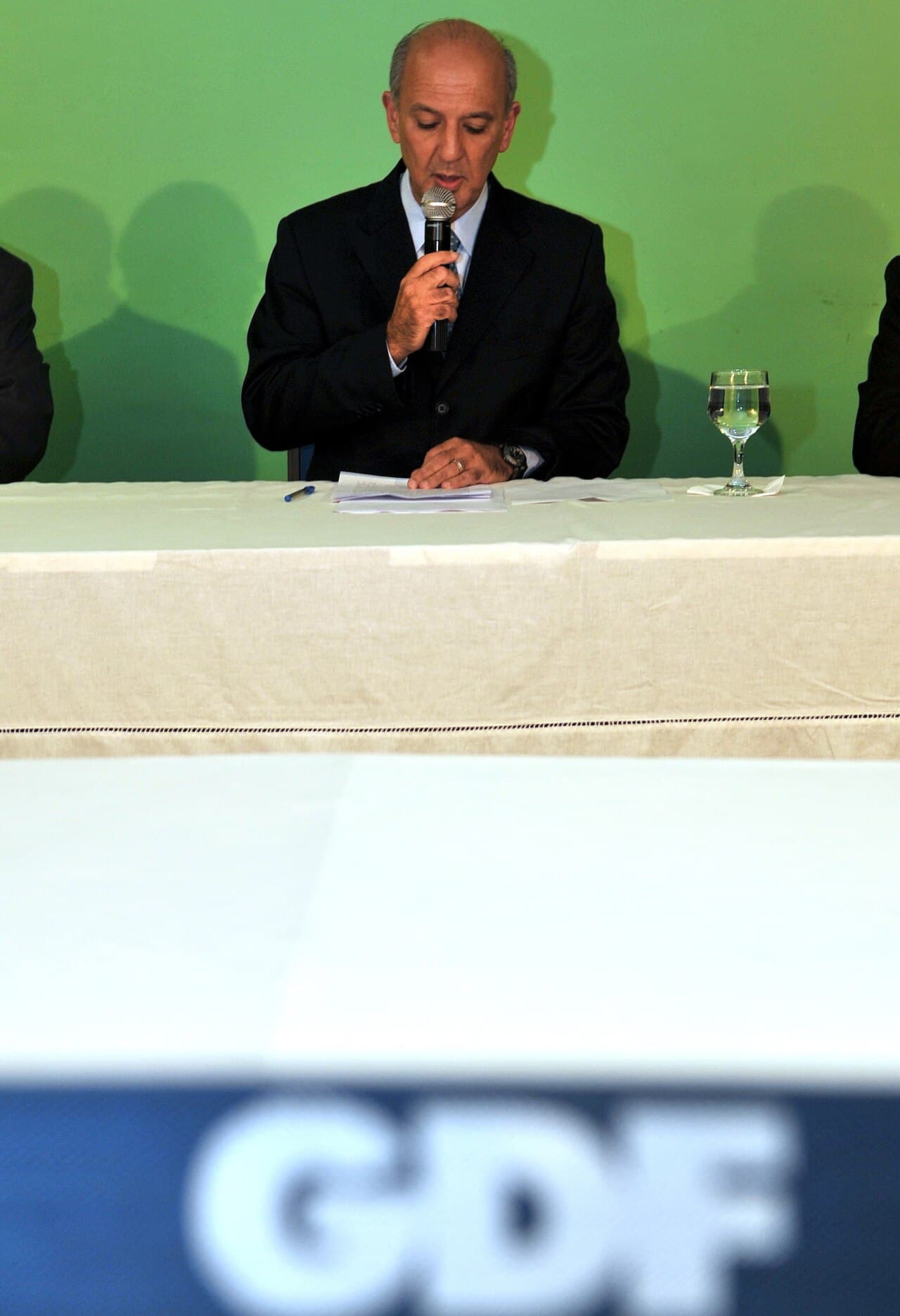
The battle for the governorship of Brazil’s capital district has moved to the country's highest electoral court. Former Federal District Governor José Roberto Arruda has appealed to the Superior Electoral Court, known as the Brazilian TSE, after a regional court unanimously rejected his registration for the upcoming gubernatorial race. The case is a critical test of Brazil’s strict anti-corruption rules and will directly shape the political future of the Federal District, the administrative heart of the country.
The regional electoral court (TRE-DF) voted 5-0 to block Arruda's candidacy, ruling that he remains barred under the landmark Clean Slate Law (Lei da Ficha Limpa). Arruda, who governed the capital from 2007 until his arrest and removal in 2010, carries seven administrative misconduct convictions. These convictions stem from the infamous 2009 "Caixa de Pandora" scandal, an investigation that exposed a massive cash-for-votes scheme in the local legislature and featured video footage of Arruda accepting bundles of cash.
At the heart of the legal dispute is a 2025 reform passed by Congress that capped consecutive ineligibility periods at 12 years for related convictions. Arruda’s defense argues that his multiple convictions are connected to the same 2009 scandal, meaning his disqualification period expired in mid-2026. However, electoral prosecutors contend that the convictions involve distinct acts of corruption. They argue the 12-year clock actually reset with a subsequent conviction in late 2018, keeping Arruda barred from public office until December 2030.
The Brazilian TSE's final ruling carries massive stakes for the capital's political landscape. Recent polling shows Arruda in a tight race with the incumbent governor, Celina Leão. If the high court upholds the ban, it will clear a major hurdle for Leão's reelection campaign. If the court sides with Arruda, it could trigger a highly competitive second-round runoff. Under Brazilian electoral rules, Arruda is permitted to continue campaigning and appearing on local television while his appeal is pending before the high court.