
Brazil Tax Reform to Hike Domestic Airfares by 16%, Lobby Warns
A study by ALTA warns that Brazil's new CBS and IBS tax system could slash domestic flight demand by 21% as airlines pass higher costs to consumers.
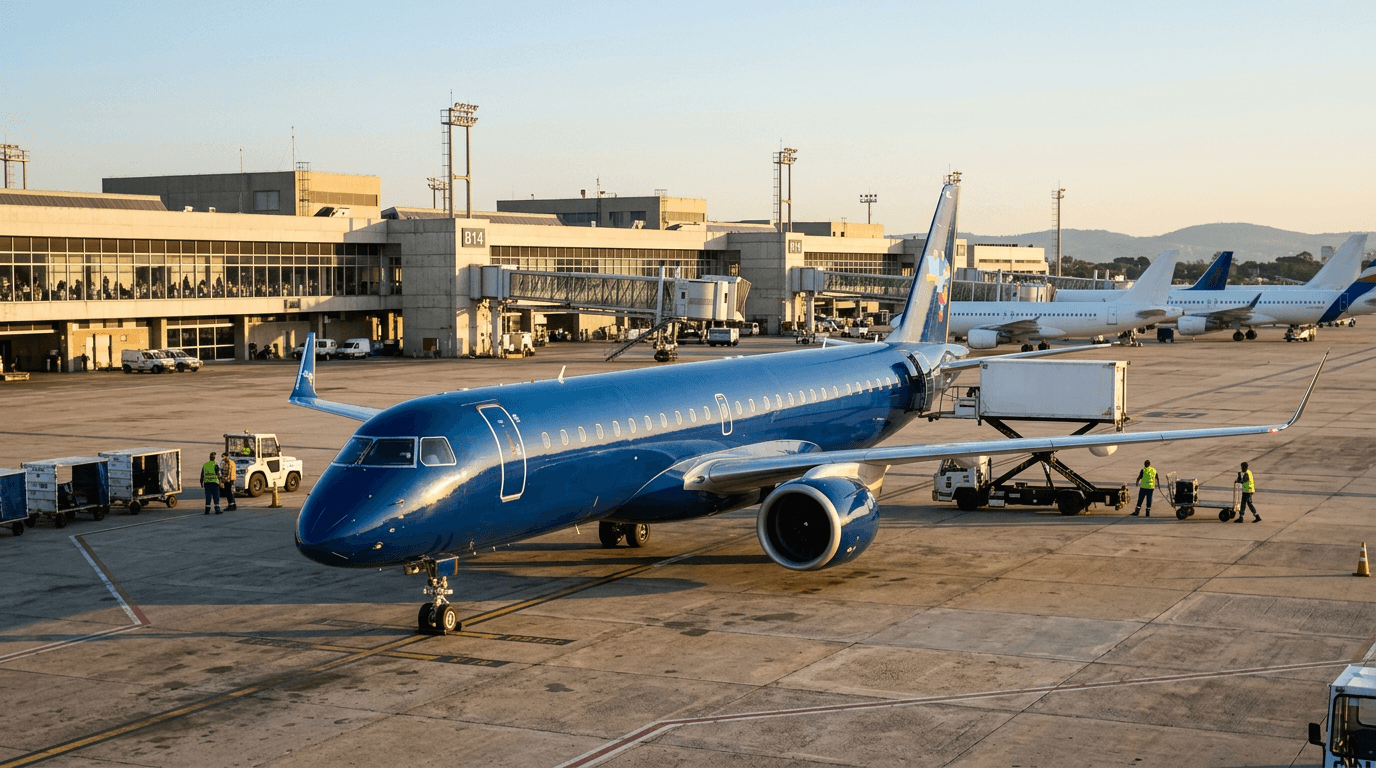
A sweeping overhaul of Brazil’s tax system is poised to make flying significantly more expensive, potentially grounding millions of passengers and dealing a blow to the country's tourism sector. A study released by the Latin American and Caribbean Air Transport Association (ALTA) warns that domestic airfares could jump by 16.1%, while international tickets sold in Brazil are projected to rise by 13.3%, under the newly structured consumption tax framework.
The projected price hikes stem from the transition to a dual Value-Added Tax (VAT) model, which unifies several federal, state, and municipal levies into two new taxes: the federal Contribution on Goods and Services (CBS) and the local Goods and Services Tax (IBS). While the historic Brazil tax reform aims to simplify one of the world’s most notoriously complex tax regimes, ALTA points out that applying an estimated standard rate of 26.5% to the aviation sector will heavily penalize air travel. Currently, the sector operates under a much lower effective tax burden of approximately 9%.
According to the study, this sharp increase in ticket prices could slash domestic flight demand by 21.1%, representing a loss of roughly 20 million passenger trips per year. International travel demand from Brazil is also expected to contract by 17.8%, or about 5 million trips. Such a steep drop in passenger volume would force commercial airlines to scale back flight frequencies and halt the expansion of regional routes, isolating more remote parts of the continent-sized nation.
The timing of the tax transition is particularly challenging for local carriers. Brazilian airlines accumulated a staggering R$ 55 billion ($10.7 billion) in net losses between 2015 and late 2025, battered by high fuel costs, severe currency volatility, and the lingering financial hangover of the pandemic. With virtually no profit margins left to absorb the higher tax burden, operators will have little choice but to pass the added costs directly to consumers.
Under the current brazil tax reform timeline, the transition begins gradually. The federal CBS tax will take effect alongside a new selective tax, while the state and municipal IBS will begin its phase-in period in 2027, with the entire system becoming fully operational by 2033. Tourism and business groups are actively lobbying Congress for special sector rules or tax credits to mitigate the impact before the new rates are locked in.
What it touches: The projected drop in air travel directly impacts major Brazilian carriers, including Azul S.A. (AZUL) and Gol Linhas Aéreas Inteligentes (GOLL4), which are highly sensitive to domestic consumer demand and operational cost fluctuations. Additionally, a contraction in flight networks poses downside risks for the broader hospitality, regional tourism, and service sectors across Brazil.