
Brazil Supreme Court Impeachment Push Gains Ground in New Senate
A growing conservative majority in Brazil's Senate is bringing the country closer to an unprecedented trial of STF ministers, threatening a constitutional crisis.
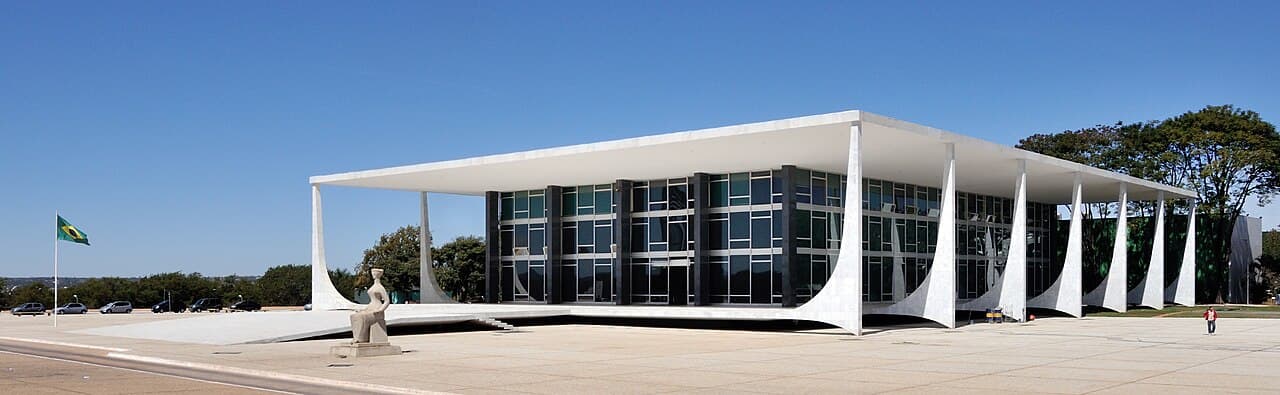
A growing conservative coalition in Brazil’s newly elected Senate has brought the country closer to an unprecedented trial of Supreme Court justices, threatening a major constitutional crisis. Following the October 2026 legislative elections, a survey conducted by the Brazilian daily Estadão revealed that 49 current and incoming senators now publicly support the impeachment of Supreme Court (STF) ministers. This surge leaves the right-wing opposition just five votes short of the 54-vote threshold—representing a two-thirds majority of the 81-seat chamber—required to convict and remove a sitting justice.
The escalating tension highlights a deep institutional conflict between Brazil’s legislative branch and its highest court. Out of the 49 pro-impeachment senators, 25 are currently, or have previously been, the targets of investigations, criminal actions, or judicial measures authorized by the STF itself. While these lawmakers argue that the justices are not above the law and must face accountability for alleged abuses of power, critics point out that the high concentration of investigated politicians driving the ouster efforts raises significant questions about potential conflicts of interest and political retaliation.
At the center of this legislative offensive is the right-wing Liberal Party (PL), which secured the largest bench in the Senate with 28 seats starting in 2027. The PL has rejected backroom compromise deals with the STF. Party leadership has declared the impeachment of high-profile justices, particularly Alexandre de Moraes, to be "inegociable". Moraes has long been a lightning rod for conservative anger due to his aggressive, unilateral oversight of investigations into "fake news," anti-democratic acts, and allies of former President Jair Bolsonaro.
The path to an actual trial remains legally complex. In December 2025, STF Minister Gilmar Mendes issued a ruling extending the two-thirds voting requirement to the preliminary stages of the impeachment process. Previously, a simple majority of senators present could advance a petition. This judicial safeguard means the conservative bloc cannot easily bypass the 54-vote requirement, even to initiate formal proceedings, forcing them to win over moderate swing votes to trigger a trial.
What it touches
The threat of a direct clash between the Senate and the Supreme Court increases political risk in Brazil, potentially impacting the volatility of the Brazilian real (BRL) and domestic equities on the B3 exchange. Prolonged institutional gridlock could stall fiscal reforms and spending cut negotiations in Congress, directly affecting foreign investor sentiment toward Brazilian sovereign debt and large state-backed entities.