
Brazil STF Crisis Deepens as Justices Face Separate Integrity Votes
Brazil’s Supreme Court scheduled separate votes on investigations into Justices Moraes and Mendonça, fueling institutional instability amid the Banco Master scandal.
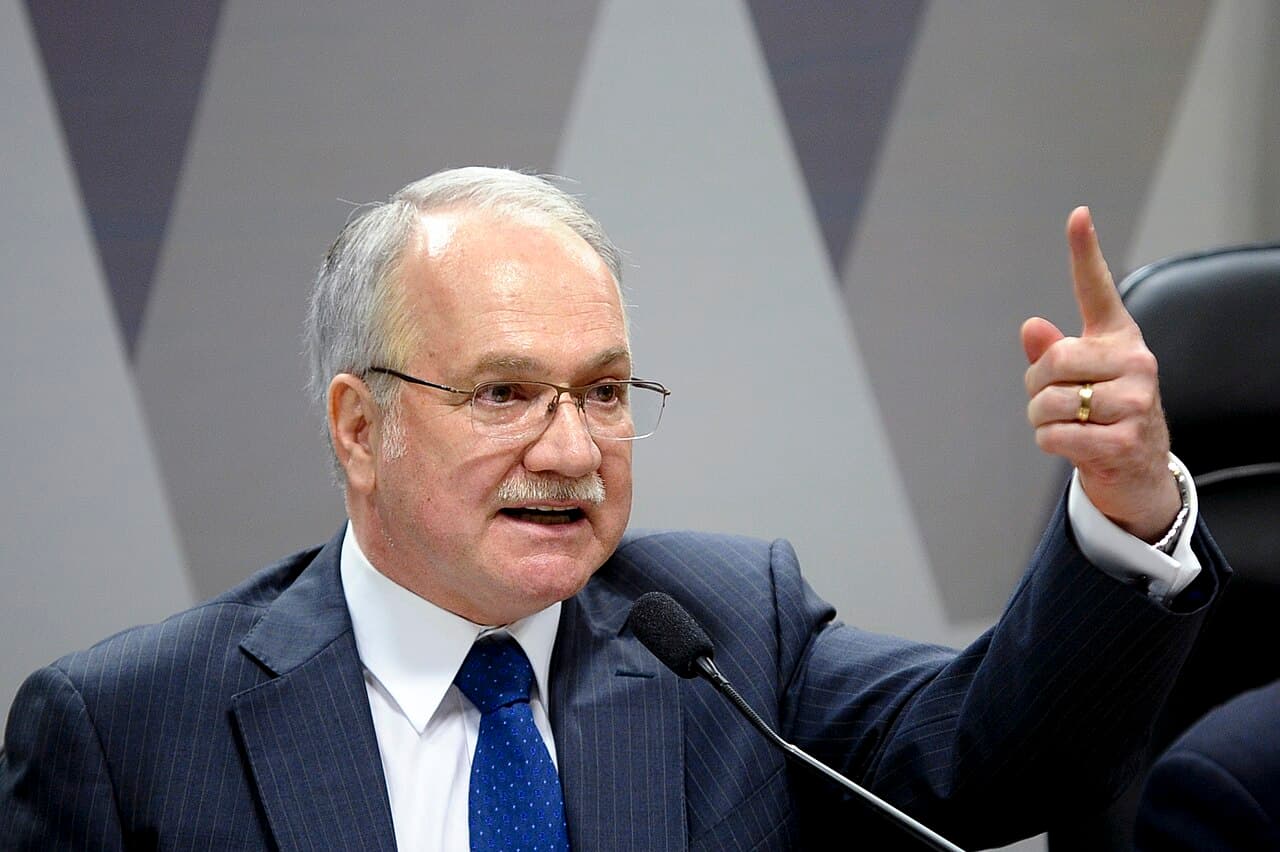
The institutional crisis within Brazil’s Supreme Federal Court (STF) has reached a critical turning point as the tribunal’s leadership scheduled separate, high-stakes votes to decide whether to open formal investigations into two of its own sitting justices. On September 12, 2026, STF President Edson Fachin denied a request by Justice Alexandre de Moraes to merge his case with that of his colleague, Justice André Mendonça, citing different procedural stages. The decision to hold separate votes exposes a deep, unprecedented rift at the highest level of Brazil's judiciary, significantly elevating the country's political risk premium.
The legal battleground is set for two critical dates. On Tuesday, September 15, the full court will vote on a Federal Police report detailing extensive digital contacts between Justice Moraes and former banker Daniel Vorcaro. Vorcaro is the central figure in the "Master Crisis," a massive financial scandal involving the collapse and liquidation of Banco Master. A separate extraordinary session is scheduled for September 23 to analyze questions regarding Justice Mendonça’s conduct as the rapporteur overseeing the Master and Social Security (INSS) cases.
The public animosity between the two magistrates has shattered the court’s traditional facade of unity. Moraes has accused Mendonça of "selective disclosure" of evidence, claiming his colleague made only 15 procedures public while withholding 180 other documents to orchestrate a political attack. Mendonça, who originally lifted the secrecy on the Federal Police reports detailing Moraes's interactions with Vorcaro, has defended his actions, stating that the complete, unredacted data remains securely under the custody of the Federal Police to protect ongoing investigations.
The fallout from the Banco Master collapse has reverberated far beyond the judiciary, shaking the political establishment as Brazil navigates its presidential election cycle. President Luiz Inácio Lula da Silva, who is running for re-election, labeled the Banco Master affair "the biggest financial crime in the history of Brazil". Speaking at a campaign event in Curitiba on September 12, Lula sought to distance himself from the scandal, asserting that "no one should be a Supreme Court minister to get rich" and calling the judicial office a "sacerdocium" that demands impeccable behavior.
What it touches
The deepening conflict within the STF directly impacts Brazil's sovereign risk profile, as the public feud between supreme court justices undermines the regulatory and legal predictability required by foreign investors. This heightened institutional instability exerts depreciary pressure on the Brazilian real (BRL) and exposes domestic equities to a higher political risk premium. Additionally, the state-controlled Banco de Brasília (BRB) remains financially exposed to the fallout, having previously disclosed billions of reais in provisions and asset write-downs tied directly to the Banco Master liquidation.