
Brazil Senate Delays 40-Hour Work Week Vote Until After October Elections
Senate President Davi Alcolumbre postponed the vote on a constitutional amendment to reduce the maximum work week.
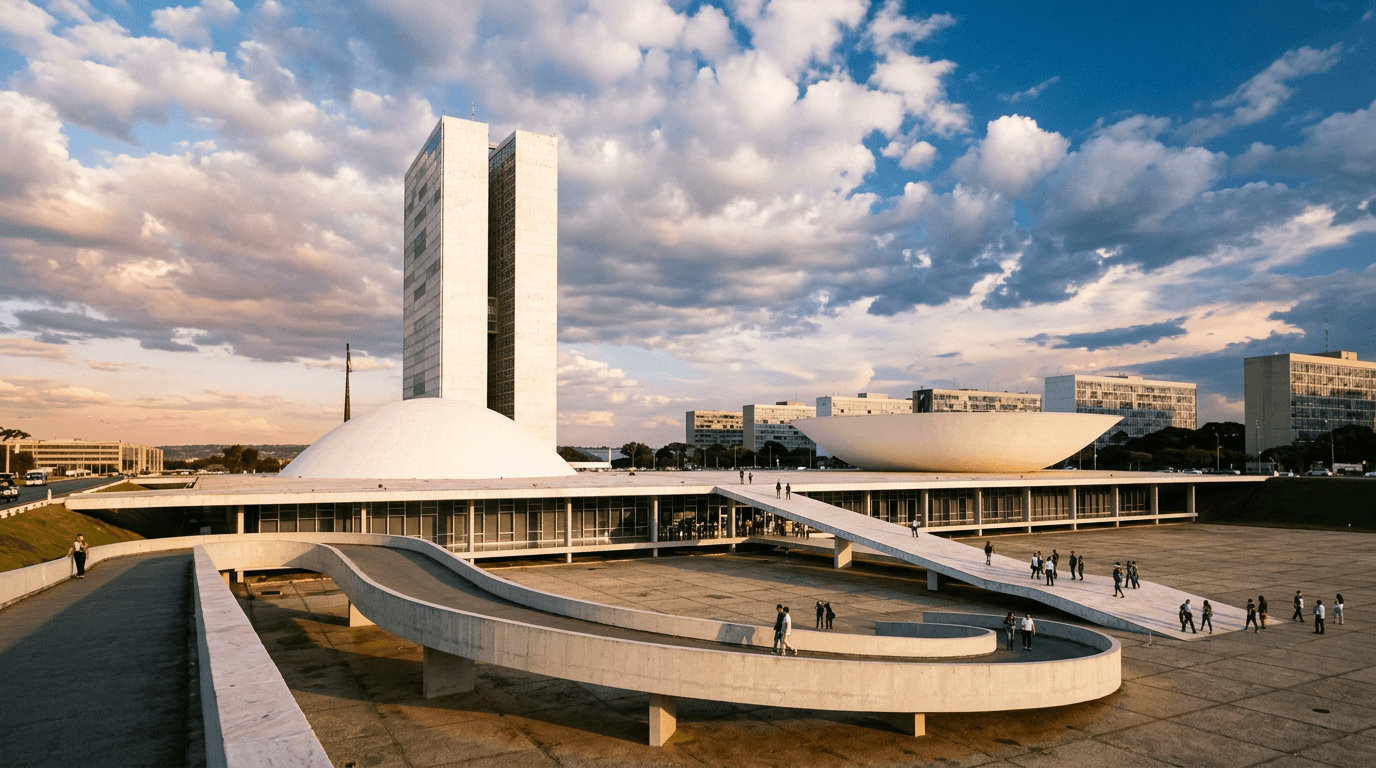
The final vote on a proposed constitutional amendment to establish a 40-hour maximum work week in Brazil has been postponed by the Senate until after the general elections in October. Senate President Davi Alcolumbre confirmed the delay, yielding to pressure from influential business lobbies which argued that the measure would immediately raise labor costs and disproportionately impact micro and small enterprises. The postponement prolongs uncertainty for labor-intensive sectors across the country as the required two-thirds Plenary vote for the amendment is put on hold.
The measure, which passed the Senate’s powerful Constitution and Justice Committee (CCJ) earlier this week, is a Proposta de Emenda à Constituição (PEC) that would legally reduce the maximum work week from the current 44 hours to 40 hours. Crucially, the proposal also mandates two paid rest days per week, effectively ending the common "6x1" scale, while guaranteeing that the change cannot result in a reduction of the employee’s salary. The reduction would be phased in over a year following the law’s publication.
The decision by Senator Alcolumbre (União-AP) to defer the matter follows a request from groups like the National Confederation of Commercial Associations of Brazil (CACB), which warned that an immediate transition could lead to increased operational expenditures and a reduction in formal jobs. The move also comes amid reports that the government’s base in the Senate was not yet able to guarantee the 49 votes—three-fifths of the body—required to pass a constitutional amendment in the Plenary.
The delay has disappointed labor unions and allied senators, who pushed for an immediate vote before the legislative period winds down for the electoral campaign. The Senator responsible for the legislation, Paulo Paim (PT-RS), made an impassioned public plea to have the measure passed before he leaves office, which Alcolumbre acknowledged while confirming the delay. The earliest the vote is now expected is after the first round of the general elections on October 4, 2026, when Brazilians vote for President, Governors, and members of Congress.
What it touches The prolonged debate over the labor reform maintains a degree of uncertainty for sectors that rely heavily on a high volume of formal employees, such as retail, services, and industrial manufacturing. The delay offers temporary relief to companies that were bracing for a sudden, mandated increase in staffing or overtime costs to cover the hours previously worked under the 44-hour regime.