
Brazil Central Bank Sees 90% Chance Inflation Will Breach Target in 2026
Brazil's Central Bank raised the probability of 2026 inflation exceeding the 4.5% target ceiling to 90% while cutting its GDP growth forecast to 1.8%.
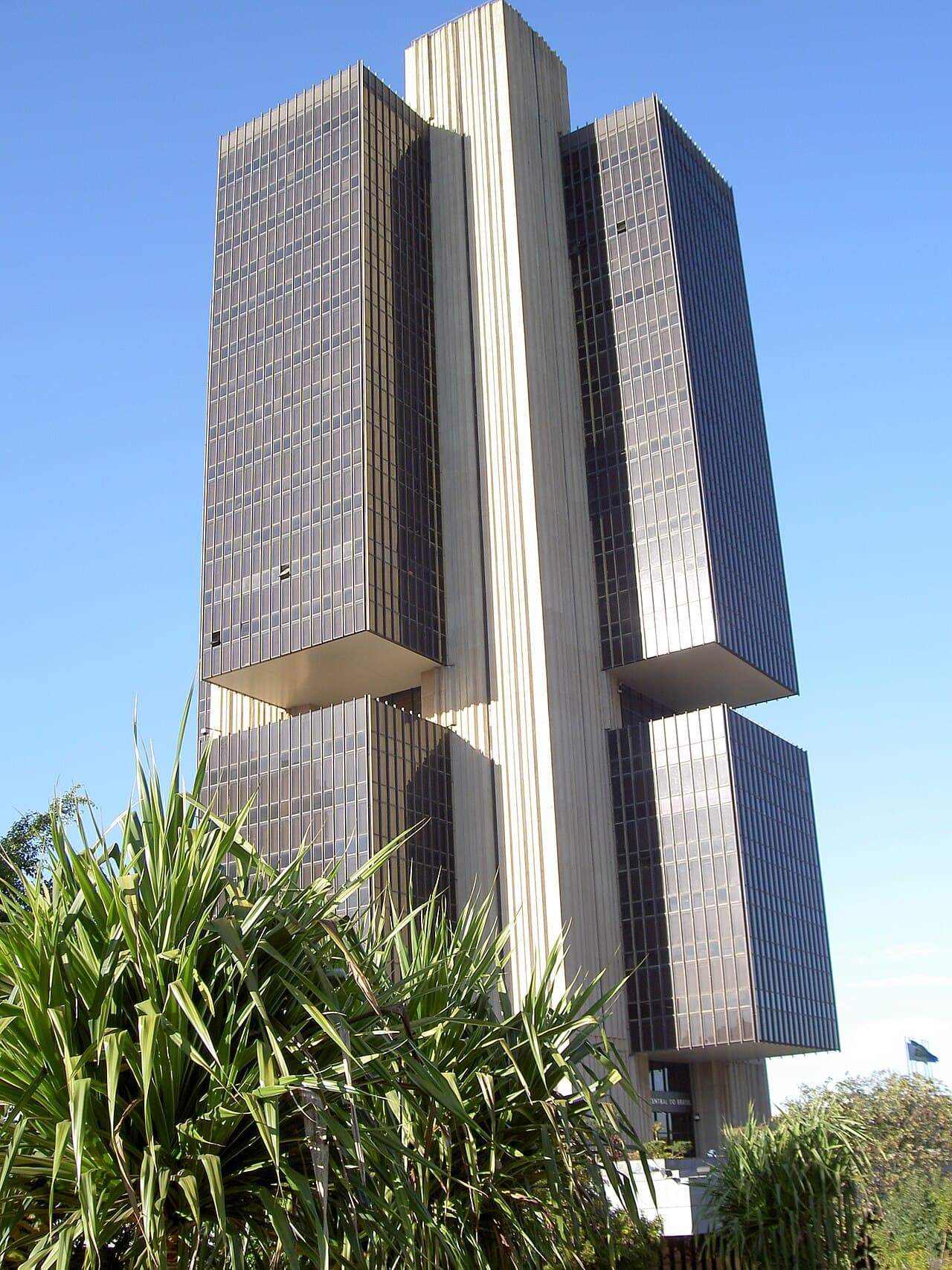
Brazil’s Central Bank (BC) announced a sharp increase in the projected risk of inflation breaching its target ceiling next year, putting immediate pressure on the country’s economic outlook and the incoming political administration. The bank’s latest Quarterly Monetary Policy Report (RPM), released Thursday, raised the probability of the official inflation gauge, the Extended National Consumer Price Index (IPCA), exceeding the 4.5% upper tolerance limit in 2026 from 79% to 90%.
The Central Bank now projects the IPCA to close 2026 at 5.2%, significantly above the 4.5% ceiling, in a clear signal that the central bank’s tight monetary policy is not yet sufficient to anchor long-term expectations. Under the current system, the official inflation target for 2026 is 3.0%, with a 1.5 percentage point margin for error—setting the acceptable range between 1.5% and 4.5%. Should the index remain outside this range for six consecutive months, the Central Bank is required to issue a public letter explaining the breach to the Finance Minister.
The bank cited a combination of external and domestic factors for the worsening outlook. Rising international oil prices, particularly for Brent crude amid continued Middle East conflict, and domestic "climate shocks," such as a strong and prolonged El Niño affecting food prices, are exerting upward pressure on the 2026 inflation forecasts. The challenge for the Monetary Policy Committee (Copom) is that inflation expectations remain "unanchored" and fiscal uncertainty continues to weigh on the overall economic scenario, necessitating a restrictive interest rate stance.
Simultaneously, the Central Bank signaled a weaker growth outlook for the Brazilian economy, cutting its Gross Domestic Product (GDP) growth forecast for 2026 from 2.0% to 1.8%. This downward revision confirms the trade-off faced by policymakers: the current high interest rate—with the Selic benchmark rate recently cut to 13.75%—is intended to slow inflation, but is also dampening economic activity. The dual revision—higher inflation risk paired with lower growth—creates a politically sensitive environment for the next government, which will immediately face the credibility challenge of either raising rates further or risking a prolonged breach of the inflation target.
What it touches
The release of the new report, which points to a slower growth environment where inflation risk remains stubbornly high, typically pressures Brazilian financial assets. High-probability inflation breaches and reduced GDP forecasts generally weigh on the Brazilian Real (BRL) against the U.S. dollar and lead to higher yields for long-term interest rate futures, reflecting the market’s expectation that restrictive monetary policy will need to persist longer than previously anticipated.
Related coverage
Politics
Brazil Central Bank Cuts 2026 GDP Forecast After Lula Boosts Social Spending
Published
Politics · PRO
Gold Laundering Scheme Worth $2 Billion Evades Brazil’s Amazon Mining Crackdown
Published
Politics · PRO
Unprecedented Judicial Infighting at Brazil's Supreme Court Raises Institutional Risk
Published