
Brazil Becomes First Latin American Sovereign to Apply for Panda Bond Issuance
Brazil's Ministry of Finance formally applied to issue its first sovereign Panda Bond, seeking to raise up to 5 billion yuan.
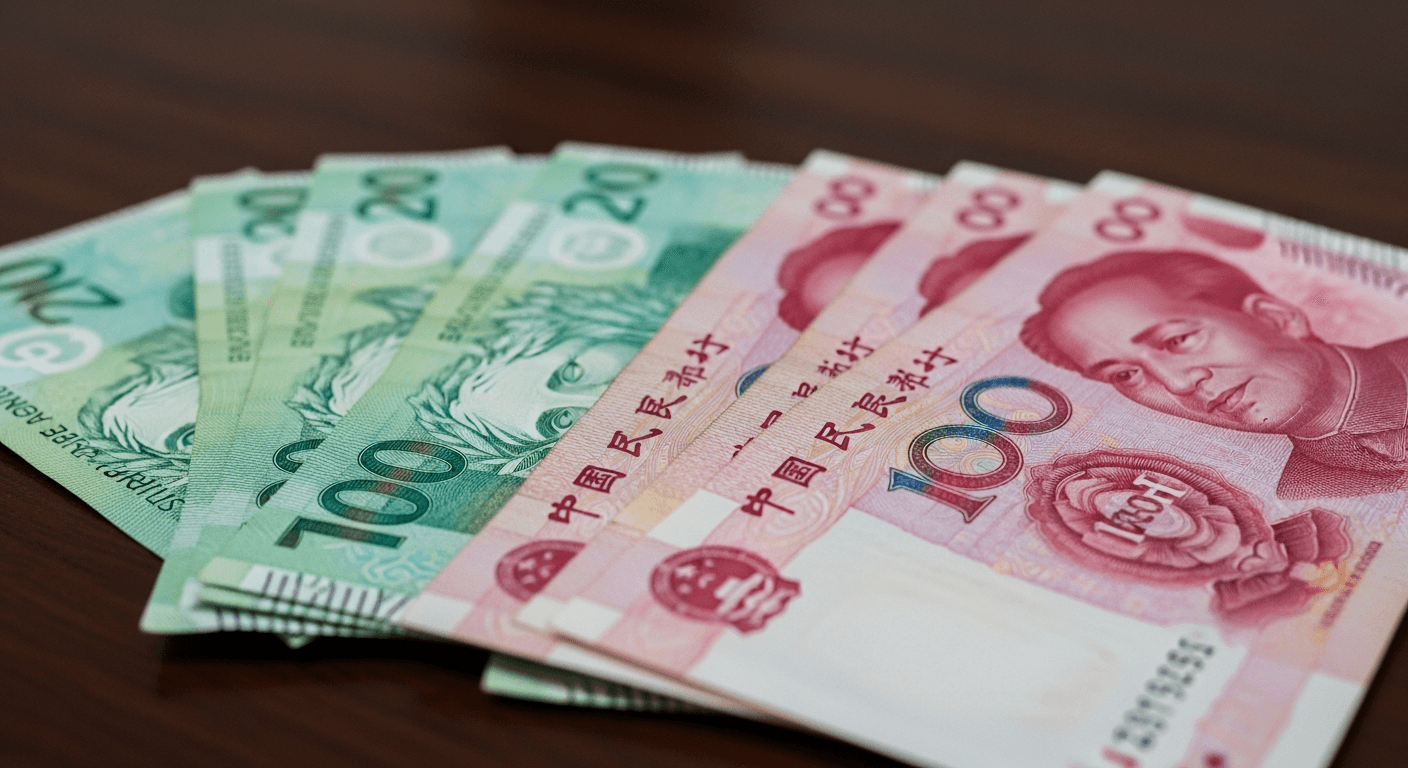
Brazil’s Ministry of Finance formally submitted an application to Chinese regulators for its debut sovereign issuance of Panda Bonds, a move that would make it the first Latin American nation to tap China’s domestic debt market. The country plans to raise up to 5 billion yuan—roughly $735 million—with the inaugural issuance, which is expected to occur before the end of the year. The decision, led by Finance Minister Dario Durigan, signals a strategic effort to deepen financial ties with its largest trading partner, China, and reduce the national debt’s reliance on the US Dollar.
A Panda Bond is a renminbi, or yuan-denominated, debt instrument issued by an overseas entity inside China’s onshore capital market. For Brazil, selling debt to Chinese investors in the local currency allows the country to diversify its holder base beyond traditional Western markets and potentially take advantage of lower interest rates available in China’s domestic bond market compared to its own high Selic rate environment. The strategy is political as much as fiscal, serving as a material step in Brazil’s broader push to facilitate trade and finance in local currencies, diminishing the influence of the US Dollar in its external dealings.
This initial offering is viewed by officials as a critical “test” to establish a benchmark for future borrowings. While the amount is relatively small—Deputy Secretary for Public Debt Francisco Segundo noted the value is "qualitative rather than quantitative for now"—the sovereign issuance is intended to create a yuan-denominated yield curve. This curve would then provide a crucial reference price for Brazilian corporations, allowing them to issue their own Panda Bonds and access a new, potentially cheaper source of capital for their operations in the world’s second-largest economy.
To ensure a continuous presence in the Asian market, the government intends to make this an annual issuance, permanently incorporating the Chinese currency into its external debt management strategy. The delivery of the application, which took place in Beijing, was witnessed by Minister Durigan and Pan Gongsheng, the Governor of the People's Bank of China. Officials from both countries emphasized that the successful launch of the sovereign Panda Bond would pave the way for greater capital market cooperation, including programs for exchange-traded funds and information services for Chinese investors in Brazil.
What it touches
The move to diversify Brazil's external financing touches the currency market, as a successful launch would increase demand for the Chinese yuan (CNY) and offer a small, long-term hedge for Brazil’s sovereign debt portfolio against US Dollar (USD) fluctuations. The strategy aims to lower the sovereign risk profile by broadening the investor base, a factor considered in the pricing of Brazilian debt in all global markets.
Related coverage
Politics · PRO
Brazil Supreme Court Moves to Impose Binding Fiscal Discipline on All Government Spending
Published
Politics · PRO
Brazil’s PPSA Schedules First Auction to Break Petrobras Gas Monopoly, Targeting 50% Price Cut for Industry
Published
Politics · PRO
Brazil’s Election Defined by Stark Fiscal Divide Over High Debt and 13.75% Interest Rate
Published