
Brazil Banker Cites STF Crisis to Challenge Detention, Exposing Deep Judicial Governance Risk
The defense for ex-banker Daniel Vorcaro is using the high-profile feud between Supreme Court Justices to argue for his release, highlighting institutional instability in Brazil's judiciary.
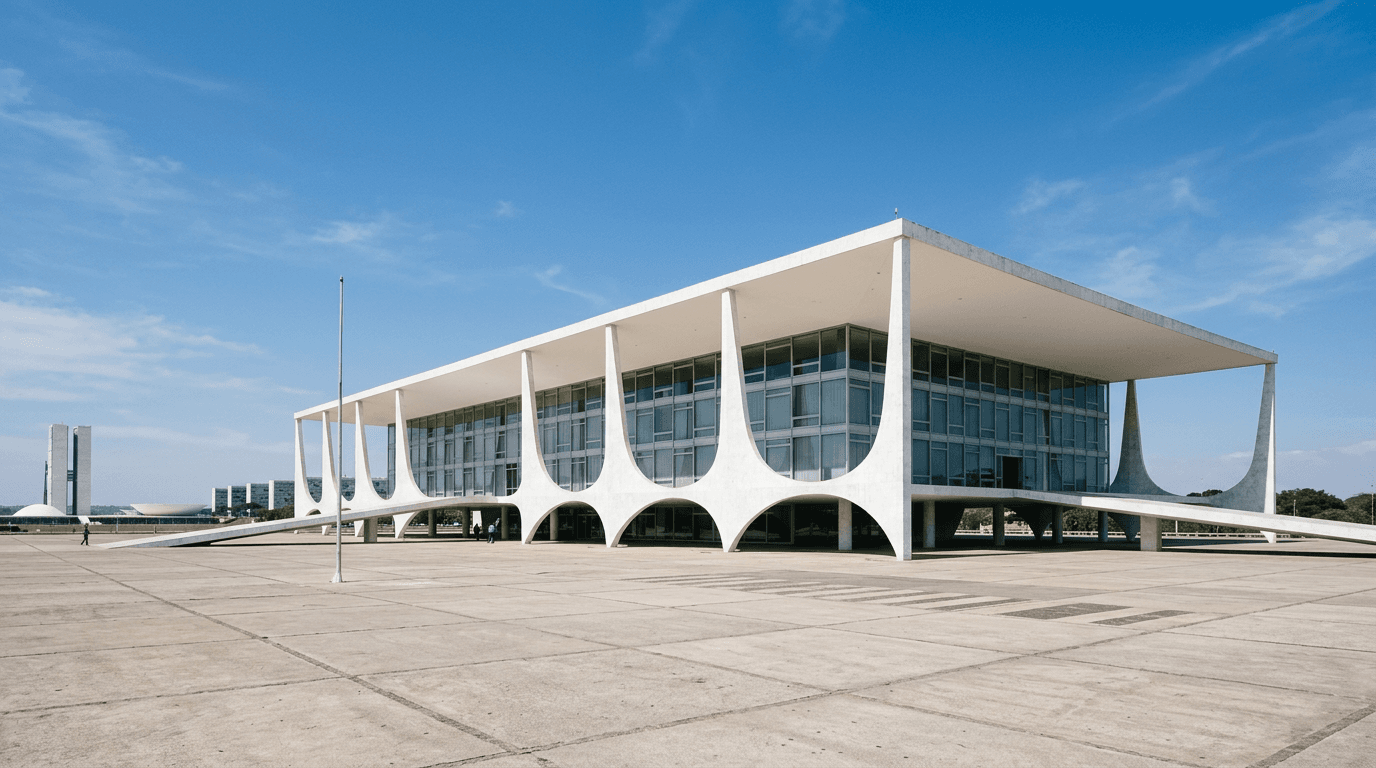
The defense for former banker Daniel Vorcaro, who has been held in preventive detention for months in connection with a multibillion-dollar financial fraud and money laundering case, has moved to have his arrest revoked by citing the acute internal crisis paralyzing the Brazilian Supreme Federal Court (STF). The high-stakes legal maneuver connects a major financial crime investigation to an unprecedented institutional conflict at the apex of Brazil’s judiciary, underscoring the political-legal instability that worries foreign observers.
Vorcaro, the founder of the liquidated Banco Master, was taken into custody in late 2025, and his preventive detention was upheld in March 2026 as Federal Police investigated a scheme involving over-leveraged investment securities. His lawyers are now arguing that the ongoing procedural and political turmoil within the court has invalidated the legal basis for his prolonged detention without a formal indictment.
The "STF crisis" stems from a heated public dispute between Justice Alexandre de Moraes and Justice André Mendonça, the former rapporteur of the Master Case. The conflict erupted after Mendonça released a Federal Police report revealing a trove of messages between Vorcaro and a number attributed to Moraes, suggesting the banker sought the powerful justice’s counsel and help in the fraud investigation. The report also detailed a massive consulting contract between Banco Master and a law firm owned by Moraes’s wife, raising questions about potential conflicts of interest and influence peddling.
The ensuing clash has plunged the Court into disarray. Moraes accused Mendonça of political bias and an abuse of authority for his handling of the police report, in turn requesting an investigation into his colleague. The unprecedented tension prompted STF President Edson Fachin to intervene, suspending certain related decisions and sending the entire controversy to the full Plenary to contain the institutional damage. On September 15, the Court’s plenary session—convened to decide whether to investigate Moraes—descended into a procedural and political stalemate, postponing any decision and leaving the institutional conflict unresolved.
The move by Vorcaro’s defense weaponizes this judicial gridlock. The argument is that the rancorous, publicly displayed crisis between the two justices responsible for key parts of the investigation has corrupted the due process and procedural fairness required for continued pre-trial detention. With the stability of Brazil's highest court compromised just weeks before the October general election, the case has become a focal point for the country’s high political-legal risk environment.
What it touches
The visible breakdown of governance within the Supreme Court, the ultimate arbiter of law in Brazil, constitutes a sharp increase in sovereign risk. The institutional instability and the specter of high-level corruption impacting the judiciary raise concerns over the predictability of the legal environment, a factor closely watched by foreign investors and which typically adds a risk premium to Brazilian assets and the cost of debt.
Related coverage
Politics · PRO
Lula’s R$691 Welfare Hike Faces Constitutional Showdown as Audit Court Prosecutor Seeks Suspension
Published
Politics · PRO
Lula Links New Equatorial Margin Oil Frontier to Sovereignty, Warning of US Interest
Published
Politics
High-Profile São Paulo Politician Milton Leite Surrenders in PCC Organized Crime Probe
Published