
Big Agriculture funds both sides in Brazil's tight presidential race
Electoral court data shows Brazil's powerful agribusiness executives are the top individual donors to both President Lula and challenger Flávio Bolsonaro.
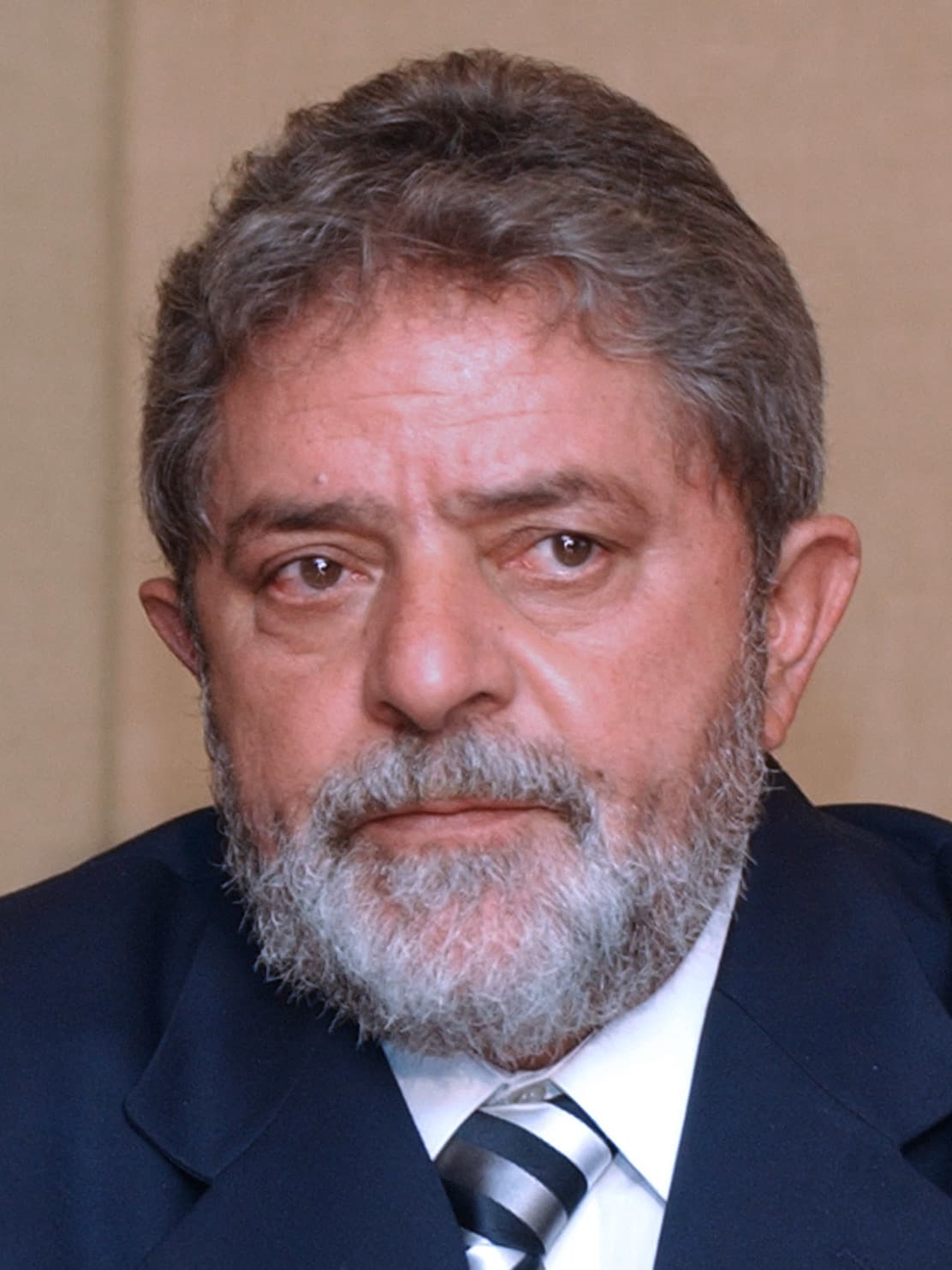
The price of everyday supermarket staples, from soybean oil to beef, is increasingly tied to the political stability of the world's largest agricultural exporters. For global investors tracking global supply chains, the political landscape of Brazil—the undisputed heavyweight in global soy, beef, and orange juice exports—is undergoing a major shift. As the country heads into its high-stakes presidential runoff election, the nation's powerful agricultural lobby has positioned itself to maintain absolute policy leverage, no matter who wins the presidency.
According to partial campaign finance data released by Brazil's Superior Electoral Court (TSE) on October 23, 2026, major soybean, cattle, and biofuel executives have emerged as the dominant individual financial forces behind both campaigns. The data reveals a highly strategic hedging of political risks by the country's wealthiest agricultural magnates, ensuring that the sector's interests remain protected regardless of the electoral outcome.
The most vivid example of this political hedging comes from Erasmo Carlos Battistella, the CEO of biodiesel giant Be8. According to the TSE records, Battistella donated exactly BRL 500,000 (approximately $99,000) to the campaign of incumbent leftist President Luiz Inácio Lula da Silva, while simultaneously donating an identical BRL 500,000 to his conservative challenger, Senator Flávio Bolsonaro. By backing both candidates equally, the biofuel tycoon has effectively insulated his multi-billion-dollar sector from regulatory and tax policy shifts after the election.
A sharp divide in private backing
While some industrial giants are hedging their bets, the broader agribusiness sector still shows a strong preference for the conservative opposition. Flávio Bolsonaro, the son of former President Jair Bolsonaro, has run a campaign heavily fueled by private donations from the agricultural heartlands. His campaign raised over BRL 26 million in individual private donations, heavily backed by soy and cattle magnates from the agricultural powerhouse state of Mato Grosso. His largest single donor is Elói Vitório Marchett, a prominent soybean and cattle mogul, who contributed BRL 2 million to the campaign.
In contrast, President Lula's campaign has relied almost entirely on public campaign funding. Lula's campaign reported just BRL 772,000 in individual private donations, with Battistella's BRL 500,000 contribution making up the vast majority of that total. Instead, the leftist incumbent’s campaign has been sustained by BRL 124.1 million drawn from the official public electoral fund.
This stark contrast in funding sources highlights the deep cultural and political divide between the rural elite and the ruling leftist coalition. However, the sheer economic weight of the agricultural sector—which accounts for roughly one-fourth of Brazil's Gross Domestic Product (GDP)—has forced both candidates to court the lobby aggressively. In his 2026 campaign platform, Lula has toned down his previous rhetoric regarding agrarian land reform, focusing instead on expanding subsidized agricultural credit lines and boosting state support for biofuels. Meanwhile, Flávio Bolsonaro has campaigned on expanding rural connectivity, strengthening property rights, and reducing environmental regulations.
In your brokerage app
For retail investors, the political dominance of Brazil's agricultural sector means that major policy shifts affecting global food supplies are highly unlikely, regardless of Sunday's vote. Investors holding diversified agricultural funds or major global grain processors like Archer-Daniels-Midland Company or Bunge Global SA—both of which rely heavily on Brazilian soy origination—can expect a stable regulatory environment for exports. Additionally, those holding the iShares MSCI Brazil ETF, which tracks the broader Brazilian equity market, will find that the country's agricultural engine remains well-protected against radical policy swings.