
Why Wall Street is upgrading this direct-listed fintech stock
Major investment banks have raised their outlooks for Brazilian digital lender Inter & Co. as it completes a restructuring to focus liquidity in New York.
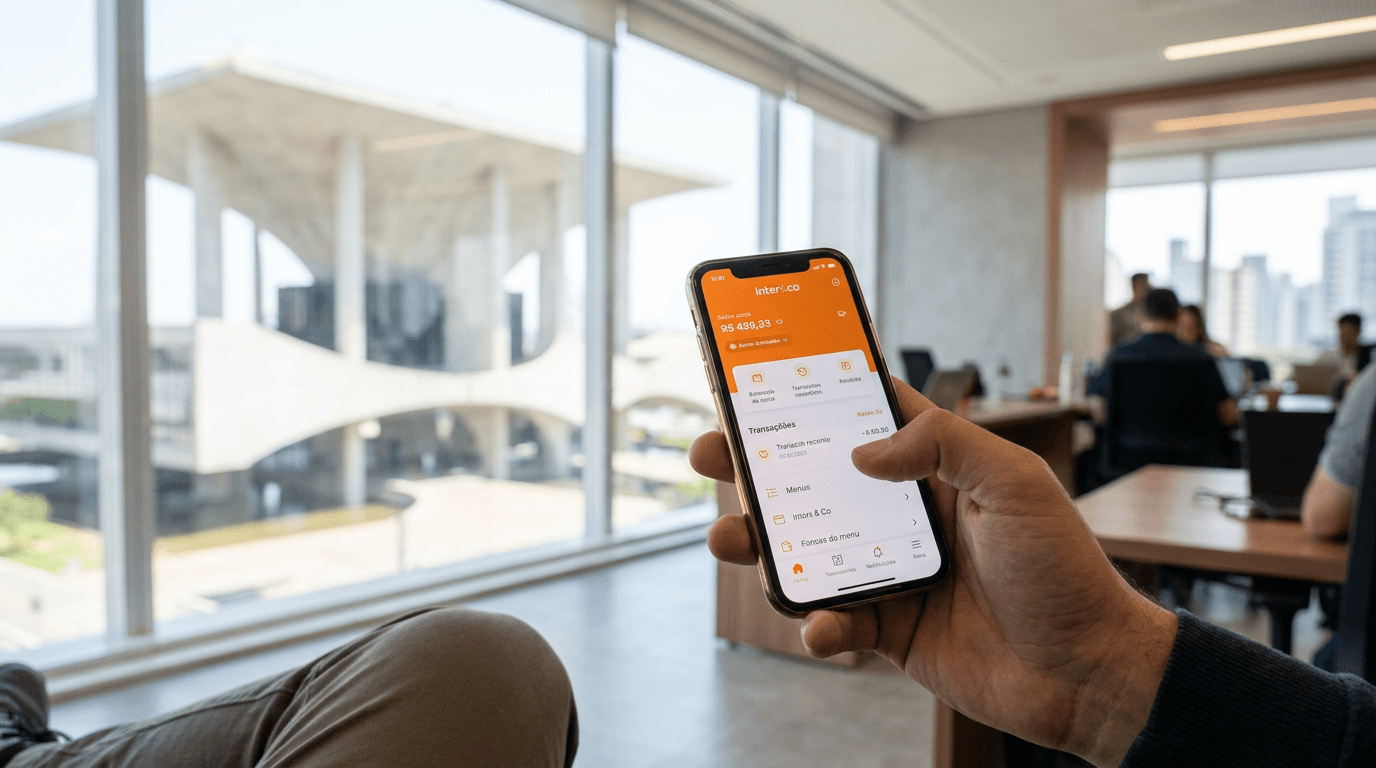
Global banking analysts are turning increasingly bullish on the digital platforms reshaping consumer finance, driving sudden upward revisions for key players. On October 20, 2026, UBS Group raised its outlook on digital banking firm Inter & Co., maintaining its positive stance. The upgrade triggered an immediate pre-market gap up, sending the stock up to open at $7.17 on Nasdaq after previously closing at $6.90.
The movement follows a similar bullish shift from JPMorgan Chase, which on October 6, 2026, increased its expectations for the company, citing a lower cost-of-equity view and stronger earnings estimates following a broader rally in Brazilian financials. Wall Street's interest is intensifying as the company prepares to report its third-quarter financial results on November 12, 2026.
For international investors looking at Brazil, the firm represents a structural anomaly. While most foreign companies can only be accessed in the US through American Depositary Receipts (ADRs)—which often carry custody fees and complex conversion ratios—Inter & Co. bypassed this structure entirely. It is a Brazilian company with a primary Class A common share listing directly on Nasdaq, meaning retail investors trade the actual stock on the exact same terms as any domestic tech company.
Moving away from local listings
This direct-listing structure is part of a broader corporate migration. The company recently finalized the wind-down of its Sponsored Level II Brazilian Depositary Receipt (BDR) program on the B3 exchange in São Paulo. Under the plan approved by Brazil's securities regulator, the CVM, local BDR holders had a 30-day window ending October 16, 2026, to transition their holdings.
This corporate restructuring consolidates the company's primary equity base in New York, simplifying its capital structure and focusing its liquidity directly in the US market. The move is designed to attract global institutional capital without the friction of cross-border depositary programs.
Navigating the credit cycle
The main operational challenge for digital banks in South America's largest economy is managing credit risk in a high-interest-rate environment. Brazil's central bank maintains a restrictive monetary policy, with the benchmark Selic rate set at 13.75% as of October 20, 2026.
While high interest rates boost net interest margins for lenders, they also increase default risks for retail consumers. Inter & Co. is currently executing its "60/30/30" strategic plan, which targets 60 million clients, a 30% efficiency ratio, and a 30% return on equity by 2029. The company's ability to hit these targets depends heavily on how cleanly it can scale its loan book without triggering a spike in non-performing loans.
In your brokerage app
Inter & Co. is listed in New York on the Nasdaq exchange under the ticker INTR. Because it is a direct listing of Class A common shares rather than an ADR, US retail investors can buy and sell the stock through standard brokerage accounts at Schwab, Fidelity, or Robinhood without foreign transaction fees or depositary service charges.