
Why Nasdaq-Listed Inter Is Surging Without the Usual ADR Hurdles
Brazilian digital bank Inter bypasses traditional ADR fees with a direct Nasdaq listing, gaining Wall Street attention amid a major local insurance buyout.
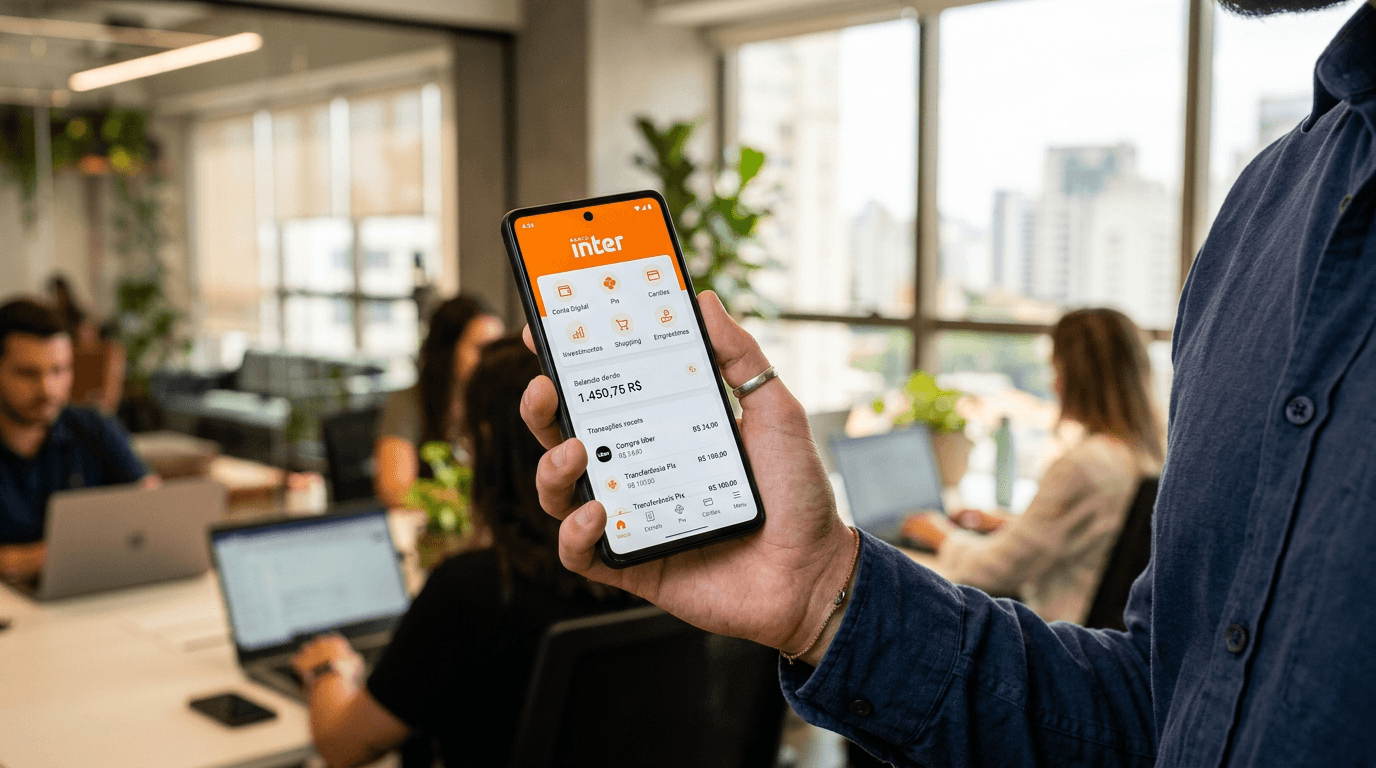
Mainstream financial institutions are quietly upgrading their outlooks on digital banking, but many retail investors remain locked out of international opportunities due to the fees and liquidity constraints of American Depositary Receipts (ADRs). For those looking to diversify, the friction of trading foreign assets often outweighs the potential returns.
That barrier does not exist for Inter & Co. The Brazilian digital banking pioneer bypasses the traditional ADR structure entirely with a direct primary listing on the Nasdaq. On Friday, October 23, 2026, its shares closed up 6.68% at $7.19, cementing a weekly rally that has caught the attention of major Wall Street brokerages.
The push came as major investment banks revised their outlooks upward. On October 20, 2026, UBS Group raised its price target for the company, maintaining an optimistic stance. This followed an October 6, 2026, report from JPMorgan Chase & Co., which also lifted its target. Wall Street's optimism is tied to Inter's aggressive consolidation in the Brazilian fintech space, including its October 2026 deal to acquire full ownership of its insurance arm, Inter Seguros, for R$409.5 million.
Navigating Brazil's Political and Monetary Cycle
For global investors, the primary hesitation around Brazilian equities is the country's volatile political and economic landscape. Brazil is currently navigating a complex fiscal cycle under President Luiz Inácio Lula da Silva, where debates over government spending directly impact the central bank's monetary policy.
Because Inter operates as a digital-first bank with over 45 million clients as of its August 2026 earnings report, its business model is highly sensitive to these domestic shifts. High interest rates set by Brazil's central bank to combat inflation have historically squeezed credit growth, but Inter has managed to expand its loan portfolio to R$55.4 billion, up 29% year-over-year. The risk for investors lies in sudden regulatory changes or fiscal instability that could force the central bank to alter its rate path, directly affecting the bank's net interest margins.
In your brokerage app
Inter & Co, listed in New York on the Nasdaq under the ticker INTR, can be traded directly by US retail investors without the custody fees associated with ADRs. The stock is also held by several exchange-traded funds targeting emerging markets and global fintech, such as the Ark Fintech Innovation ETF.