
Why Nasdaq-listed digital bank Inter & Co just plunged 38%
Inter & Co shares collapsed on Monday after Brazil's surprise presidential election runoff sparked fears of higher interest rates and a weaker currency.
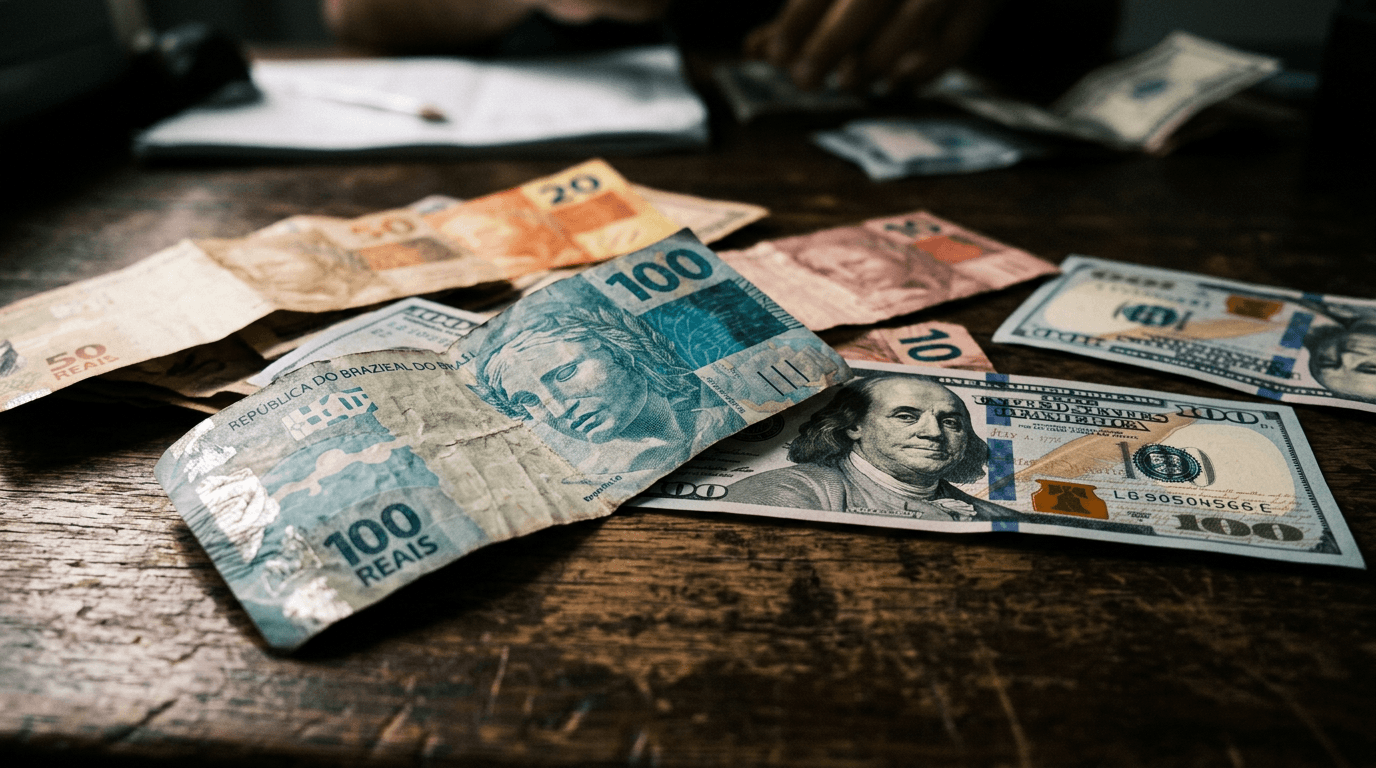
American retail investors holding shares of Brazilian digital bank Inter & Co woke up to a severe market shock on Monday. The company’s Nasdaq-listed stock, which had been on a steady upward trajectory throughout October, plunged 38.2% to trade at $4.45 on October 26, 2026. The sudden selloff wiped out weeks of gains and pushed the stock below its previous 52-week low of $4.97.
The dramatic reversal was triggered not by a corporate earnings miss, but by the outcome of Brazil's high-stakes presidential runoff on Sunday, October 25, 2026. Left-wing President Luiz Inácio Lula da Silva secured a surprise victory with 51.8% of the vote, defeating right-wing Senator Flávio Bolsonaro. Pre-vote polling averages had favored Bolsonaro, leading international markets to price in a more business-friendly administration focused on spending cuts.
Lula's victory has immediately altered the outlook for Brazil's monetary policy and currency. Economists now expect public spending to remain elevated, which could force the central bank to keep its benchmark Selic rate—currently at 14.00%—higher for longer. In early trading on Monday, the Brazilian real fell sharply, dragging down US-listed Brazilian assets.
Why Inter & Co is highly sensitive to interest rates
For a digital-first lender like Inter & Co, a "higher-for-longer" interest rate environment poses direct operational challenges. The bank earns its profits on the spread between what it charges on loans and the interest it pays to depositors. When the Selic rate remains elevated, the cost of funding those deposits rises, compressing profit margins and increasing the risk of loan defaults among retail borrowers.
Furthermore, because Inter & Co generates its revenue in Brazilian reais but reports its financial results in US dollars, a weaker real directly reduces the translated profits reported to Wall Street. The currency depreciation compounded existing investor skepticism regarding the bank's capital allocation, following its recent R$409 million acquisition of full ownership in Inter Seguros.
Despite the political turbulence, Inter & Co's underlying business has shown operational strength this year. In its second-quarter earnings report on August 5, 2026, the bank posted a record net income of R$421 million (approximately $81 million), representing a 16.3% return on equity and a 32% year-over-year revenue increase. The company is scheduled to report its third-quarter financial results on November 12, 2026.
In your brokerage app
Inter & Co, Inc. is listed in New York on the Nasdaq under the ticker INTR. Unlike most Brazilian companies, which trade in the US via American Depositary Receipts (ADRs), Inter & Co completed a corporate reorganization that allows retail investors to buy its primary common shares directly through standard US brokerage accounts. The stock is also a holding in broad market funds targeting emerging markets and digital fintech platforms.