
MercadoLibre stock faces margin pressure on $10.9B Brazil spend
US retail investors holding MercadoLibre are seeing operating margins compress to sub-9% levels as a massive $10.9 billion investment in Brazil weighs on near-term profits.
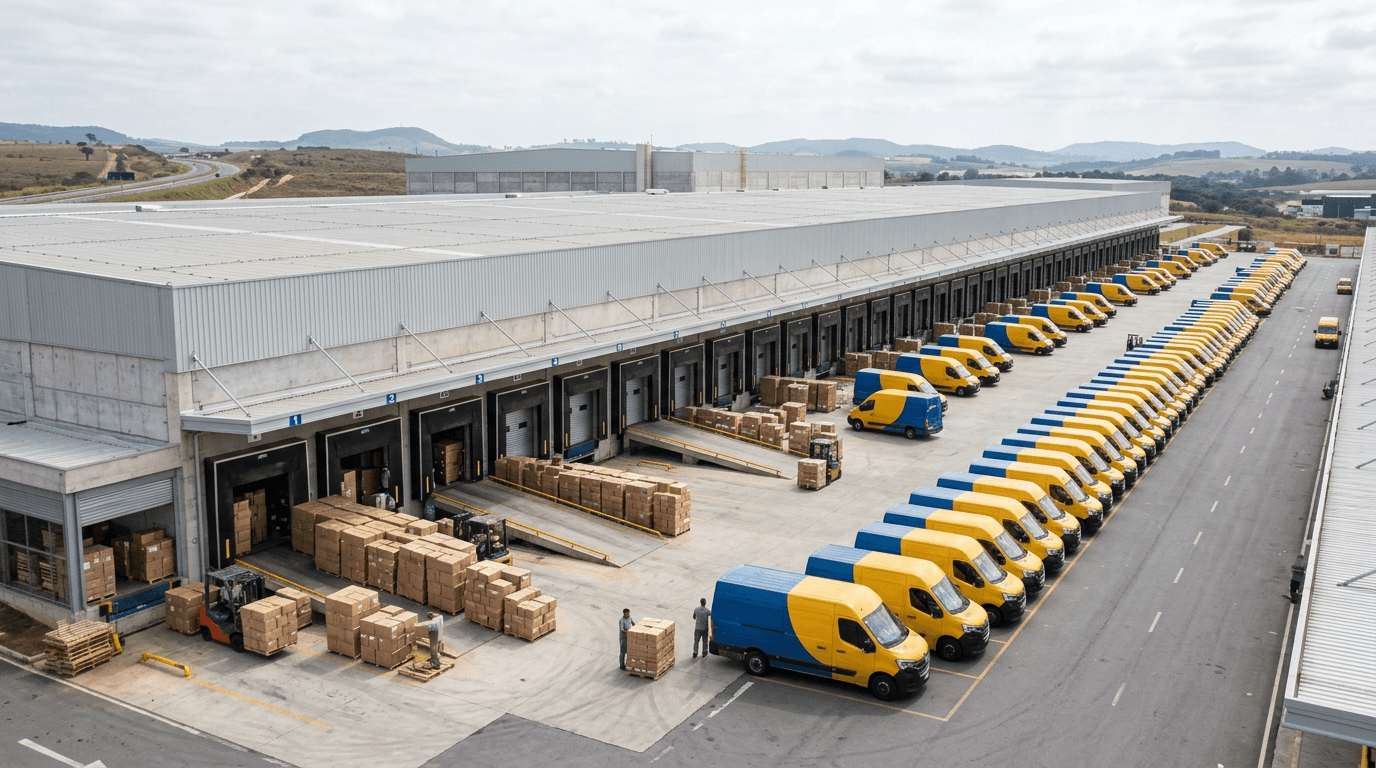
American retail investors holding shares of Latin American e-commerce giant MercadoLibre in their brokerage accounts are experiencing a classic corporate tug-of-war: rapid top-line growth versus shrinking near-term profitability. The company's aggressive expansion strategy has triggered operating margin compression, prompting Wall Street analysts to trim their profit targets.
The pressure point is Brazil, MercadoLibre's largest and most critical market, which contributes over 52% of the company's total revenue. In March 2026, MercadoLibre announced a massive 57 billion reais ($10.9 billion) investment program in Brazil for the year, representing a 50% increase from its 2025 expenditures. This capital is being deployed to open 14 new fulfillment distribution centers and expand the credit portfolio of its fintech arm, Mercado Pago.
At the same time, intensifying competition from Asian e-commerce platforms like Shopee and Temu has forced MercadoLibre to defend its turf. The company slashed its free-shipping threshold in Brazil to just 19 reais (approximately $3.80) to retain buyers. While these moves have successfully accelerated unit sales, they have come at a steep cost to profitability.
The Margin Squeeze
The financial impact of this spending blitz became clear in the company's financial reporting. Despite posting robust revenue growth, MercadoLibre’s operating margins compressed to sub-9% levels—hitting 6.7% in the second quarter of 2026 compared to 12.2% in the same period of 2025.
The margin squeeze is driven by two main factors:
- Logistics Costs: The heavy capital expenditures required to build out a proprietary delivery network across Brazil's vast geography.
- Fintech Provisions: Rapid expansion of the Mercado Pago credit card and loan portfolio, which requires upfront provisioning for bad debt under accounting rules.
While some analysts view the margin compression as a temporary, strategic sacrifice to secure long-term market dominance, the scale of the spending has introduced near-term volatility for shareholders.
In your brokerage app
For retail investors tracking this battle, MercadoLibre, Inc. is listed in New York on the Nasdaq, and its shares are widely held in international growth funds and emerging market exchange-traded funds (ETFs) like the iShares MSCI Brazil ETF and the Franklin FTSE Brazil ETF, which maintain heavy exposure to the region's dominant consumer and financial platforms.