Inter & Co drops 3.8% as Brazil fintech selloff hits Nasdaq listings
Shares of Inter & Co fell on Nasdaq as a correction in Brazilian digital banking offsets record profits and triggers investor caution.
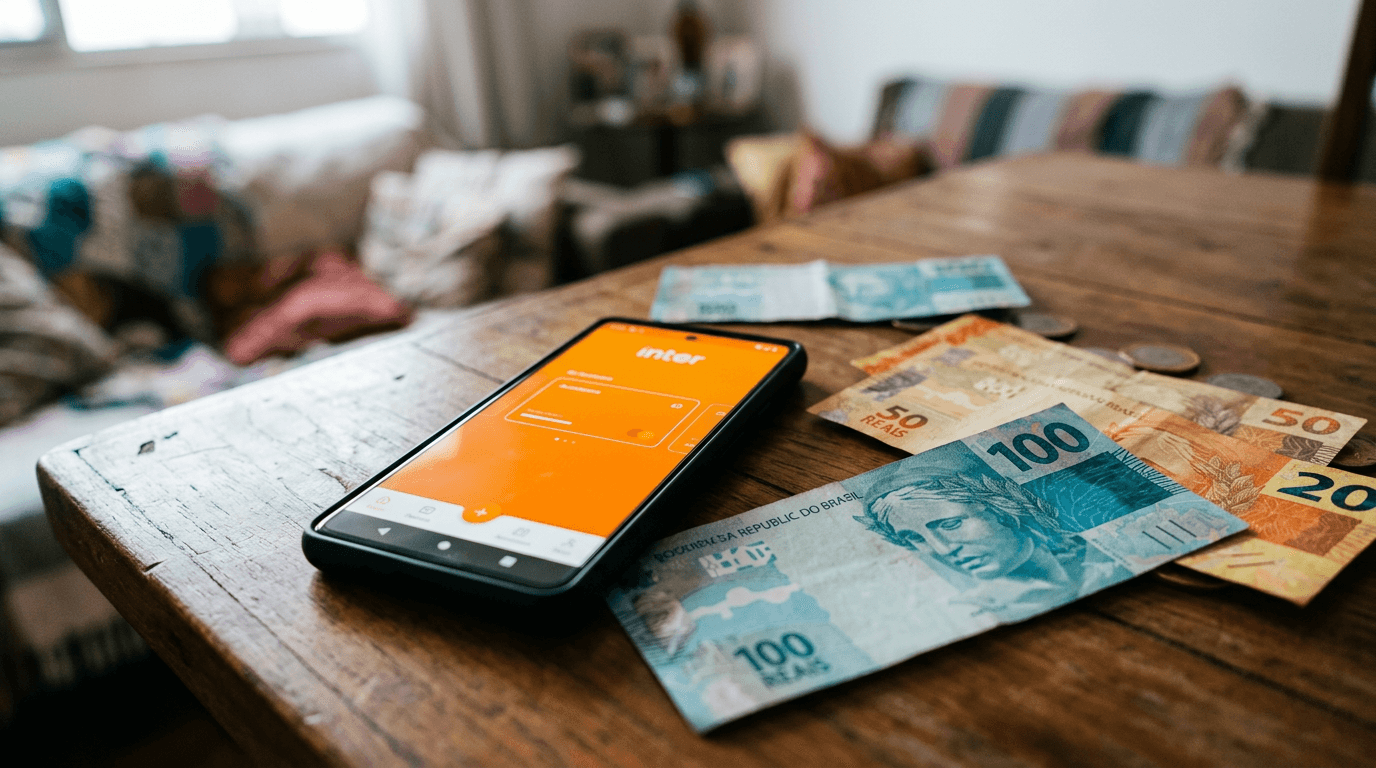
American retail investors holding shares of Latin American financial technology companies saw another wave of downward pressure at the end of the week. Shares of Inter & Co Inc., a prominent digital banking platform, fell 3.84% on Friday, October 30, 2026, to close at $4.01. The drop represents a continuation of a volatile week for digital finance companies operating in South America's largest economy.
Unlike the vast majority of international equities, which trade in New York as American Depositary Receipts (ADRs), Inter & Co is a primary Nasdaq listing. While ADRs are issued by custodian banks and are often subject to periodic pass-through fees or currency conversion costs that vary by broker and instrument according to Charles Schwab, Inter's structure means US retail investors buy and sell the exact same class of shares as institutional backers. However, this direct access has exposed US brokerage accounts to a sharp regional downturn.
The recent slide is tied to a broader sector-wide correction across Brazilian digital finance. Over the last week of October 2026, major regional players—including payment processors StoneCo and PagSeguro Digital—faced steep declines as investors reassessed the pace of consumer credit expansion and rising regional interest rates. While Inter & Co reported a net income of 395 million reais in its first-quarter 2026 earnings release on May 7, 2026, rising non-performing loan ratios from 4.7% to 5.1% during that period have kept international investors cautious about asset quality.
Political and Monetary Pressures
Beyond corporate balance sheets, the primary mechanism driving the discount on Brazilian equities is the country's macroeconomic policy cycle. The Central Bank of Brazil, led by its monetary policy committee (Copom), has maintained a restrictive stance to combat inflation. High local interest rates increase the cost of funding for digital-first banks, which rely on expanding consumer credit to drive profit margins.
Furthermore, global investors are increasingly sensitive to fiscal policy debates in Brasília. Concerns over government spending under President Luiz Inácio Lula da Silva's administration have put upward pressure on the country's sovereign risk premium. This political risk directly translates to a weaker local currency, the real, which erodes the dollar-denominated value of Brazilian assets listed on US exchanges.
US Brokerage Exposure
Inter & Co Inc. is listed in New York on the Nasdaq under the ticker INTR. For investors tracking the broader Brazilian equity market, exchange-traded funds focused on the region, such as the iShares MSCI Brazil ETF (EWZ) and the iShares MSCI Brazil Small-Cap ETF (EWZS), offer exposure to the country's corporate and financial sectors.