
Brazil’s Two-Front Regulatory War on US Big Tech Ratchets Up Political and Compliance Risk
Brazil is setting up a major regulatory clash with US technology giants through a new antitrust bill and a Supreme Court ruling on content liability.
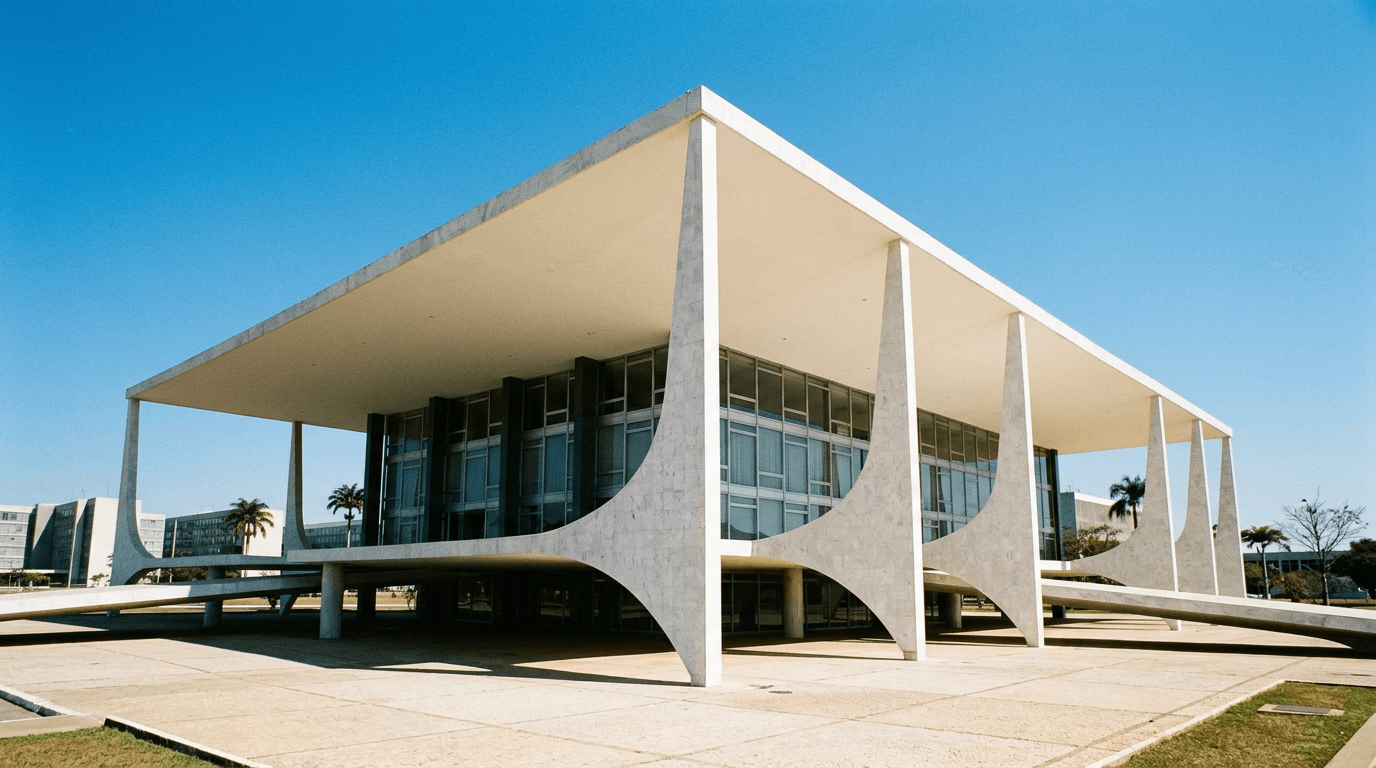
US technology giants are facing a significant overhaul of regulatory oversight in Brazil, as the country’s government and judiciary advance a powerful, two-front campaign covering both competition and content liability. This dual regulatory push, which mirrors frameworks seen in the European Union, is creating political friction and imposing new compliance costs on companies like Meta, Google, and Amazon in one of the world's largest digital markets.
The first front is a landmark antitrust bill, the Fair Competition in Digital Markets Bill (Bill 4675/2025), submitted by the federal government to the National Congress in September 2025. The bill proposes to amend existing law to empower Brazil’s antitrust authority, the Administrative Council for Economic Defense (CADE), to designate "systemically relevant" digital platforms and impose proactive ex-ante obligations on them. CADE, an independent regulatory agency for competition, would gain the authority to mandate changes to core business practices—such as self-preferencing and data interoperability—before any specific anti-competitive harm is proven, a mechanism styled after the EU's Digital Markets Act (DMA). Brazilian officials estimate the new regime is aimed squarely at a handful of major firms, most of which are American.
The second front is a dramatic shift in legal liability for content. In June 2025, Brazil’s Supreme Court (STF) delivered an 8-3 ruling that fundamentally alters the Marco Civil da Internet, the country's internet bill of rights. The STF, the nation’s highest judicial body, moved to hold social media platforms liable for user-generated content that involves serious crimes like hate speech, racism, and incitement to violence, even without a prior judicial order. This decision significantly curtails the shield from liability platforms previously enjoyed, requiring them to proactively police their content streams and implement new self-regulatory mechanisms.
The regulatory maneuvers have elevated the issue to a source of diplomatic tension between Brasília and Washington. The US Trade Representative (USTR) has already launched a formal Section 301 investigation into Brazil's digital trade practices. Critics, including the US Chamber of Commerce, argue the antitrust bill specifically targets US technology firms and could undermine investment and innovation. Brazilian officials, including President Luiz Inácio Lula da Silva, have defended the measures as necessary steps toward digital sovereignty, consumer protection, and safeguarding democracy.
The political risk for US tech companies in Brazil is now tied directly to the legislative fate of the antitrust bill in Congress, as well as the ongoing compliance with the STF’s content liability ruling. The core challenge for US Big Tech is balancing the competing demands of a new European-style competition regime and a strict liability model for online content within the same major market.
What it touches
The new regulatory framework directly impacts the operations and profitability of US-based digital giants—including Meta, Alphabet (Google), and Amazon—that dominate the Brazilian market. Compliance with the new content moderation and antitrust rules will require substantial new investments in local staffing, monitoring technology, and legal infrastructure, leading to material operational cost increases.