
Brazilian Fintechs PicPay and Agibank Relaunch US IPO Cycle After Four-Year Drought
Two Brazilian digital banks, PicPay and Agibank, have successfully completed listings on Nasdaq and NYSE, reopening the US IPO window for the country’s high-growth tech sector.
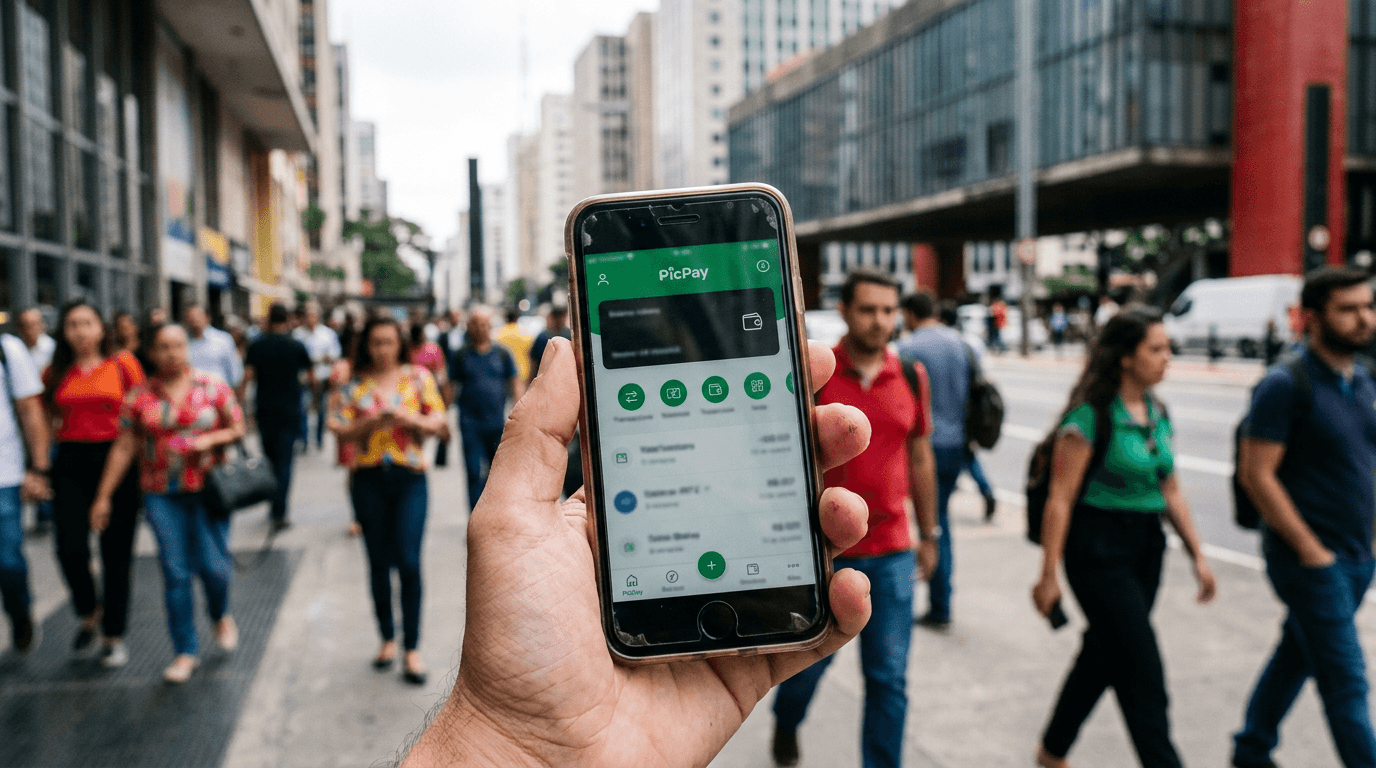
A four-year dry spell for Brazilian initial public offerings (IPOs) on US exchanges has officially ended with the successful listings of two major São Paulo-based financial technology companies, signaling a newly reopened window for foreign investors to access the country’s highest-growth sector. The new cycle, which began with the Nasdaq debut of PicPay and was quickly followed by Agibank’s listing on the New York Stock Exchange, marks a return to the international market for Brazil’s technology giants.
PicPay, a digital bank owned by the J&F holding company, which operates one of the largest digital payment platforms in Brazil with over 60 million customers, was the first to break the drought. Its offering on January 29, 2026, raised $434 million at $19 per share, achieving an approximate $2.6 billion valuation. This deal was the first US IPO by a Brazilian company since the euphoria of 2021. Weeks later, digital lender Agibank completed a $240 million IPO on the NYSE, despite its offering being downsized following cautious market sentiment.
The shift follows a challenging period for Brazilian IPOs that began in late 2021, when high domestic interest rates—the benchmark Selic rate currently sits at 14.0%—and global market volatility closed the window. Brazilian companies, particularly fintechs, look to the United States for deeper capital pools, better liquidity, and global investor recognition that they cannot find domestically on the B3 stock exchange. The trend is built on the success of the trailblazer, Nubank (NYSE: NU), whose 2021 listing remains the gold standard and whose share price has risen 45% since its debut.
However, the new environment is defined by caution, unlike the exuberance that fueled the 2021 class of IPOs. Investors are now prioritizing tangible results and consistency over speculative growth narratives. This change in appetite was evident in the listings: PicPay and Agibank were valued based on profitability and execution, with Agibank’s offering being significantly scaled back to align with investor demand. The initial trading performance has been mixed, with PicPay's stock trading below its offer price in the weeks following its listing, injecting a note of pragmatism into the market's enthusiasm.
With the ice broken, analysts are closely watching the pipeline of other large, privately held Brazilian technology firms, such as the digital lender Creditas and the payments processor Elo, that are reportedly eyeing a US listing in 2026. Their decision to proceed will depend on the sustained performance of PicPay and Agibank, with the market demanding clear evidence of sustained profit growth before anointing the next generation of Brazilian tech giants.
What it touches
The successful offerings by PicPay and Agibank provide a new path to liquidity for Brazil's wider venture capital ecosystem and the technology sector. Traded assets that are directly exposed to the renewed sentiment include existing listed Brazilian technology and financial services companies such as Nubank (NYSE: NU) and StoneCo (Nasdaq: STNE), as well as broad-based exchange-traded funds that track Brazilian stocks, such as the iShares MSCI Brazil ETF (NYSE: EWZ).