
Brazilian Fintech Inter & Co Shares Hit 52-Week Low Amid Forced Share Conversion
Shares of Brazilian digital bank Inter & Co (INTR) fell to a new low as its domestic BDR holders face a deadline to convert shares or sell for cash.
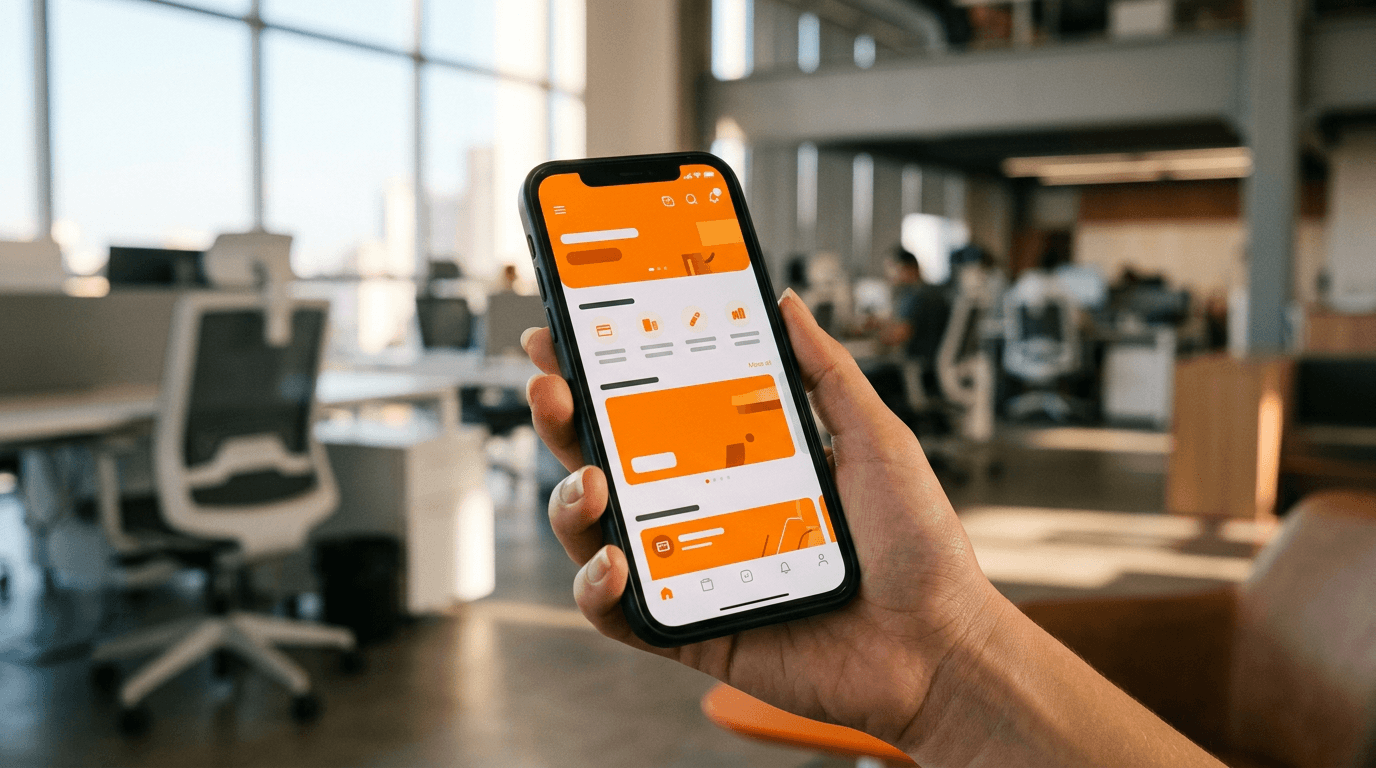
Shares of Inter & Co., the Brazilian digital banking platform known as a "Super App," fell sharply on Thursday, touching a new 52-week low as domestic shareholders navigate a forced conversion process for their stock. Inter & Co. Class A Common Shares, which trade on the Nasdaq under the ticker INTR, closed the day at $5.06 after dropping 3.44% from the previous session's close, briefly hitting a low of $5.04.
The decline comes as the Belo Horizonte-based bank attempts to fully consolidate its shareholder base following its landmark migration to the U.S. stock exchange in 2022. Inter & Co. is a rarity among Brazilian companies, choosing a direct listing on the Nasdaq instead of the more common American Depositary Receipt (ADR) structure, which allows U.S. retail investors to trade the stock directly on an American exchange.
The pressure on the stock is largely linked to the company's decision to discontinue its Level II Brazilian Depositary Receipt (BDR) program, which traded on the B3 in São Paulo. A 30-day Selection Period for the INBR32 BDR holders began on September 17 and runs through October 16, forcing Brazilian investors to make a choice.
Holders must elect one of three options: convert their holdings into the Nasdaq-listed INTR shares, receive a new Level I Unsponsored BDR, or, by inaction or invalid election, have their underlying shares sold in the U.S. market for a cash payment in Brazilian reais. This corporate action can create an overhang and selling pressure on the underlying stock as some domestic investors opt for the immediate cash exit rather than migrating their investment to a Nasdaq brokerage account or accepting the new security. The current price level marks a significant drawdown, with the stock having fallen over 21% in the last four weeks alone.
Despite the ongoing volatility, Inter & Co. has reported strong operational growth in its native market. The digital bank, which offers everything from banking and investment services to e-commerce within its "Super App" ecosystem, announced record second-quarter results in August, including a strong net income and achieving its "Rule of 50" target, a metric that combines growth and profitability. Investors will be watching for the next official update when the company is scheduled to report its third-quarter earnings in November.
What it touches
As a company with a direct listing on the Nasdaq, Inter & Co. is a common holding for U.S. retail investors and is included in various exchange-traded funds (ETFs) focused on emerging markets, small-cap companies, and Brazilian equities, such as the VanEck Brazil Small-Cap ETF (BRF).