
Brazil stocks on NYSE find a rare direct play as Inter surges
Brazilian digital banking group Inter & Co saw its Nasdaq-listed shares rise 6.08% to $7.68, highlighting a unique direct-investment route for US retail investors.
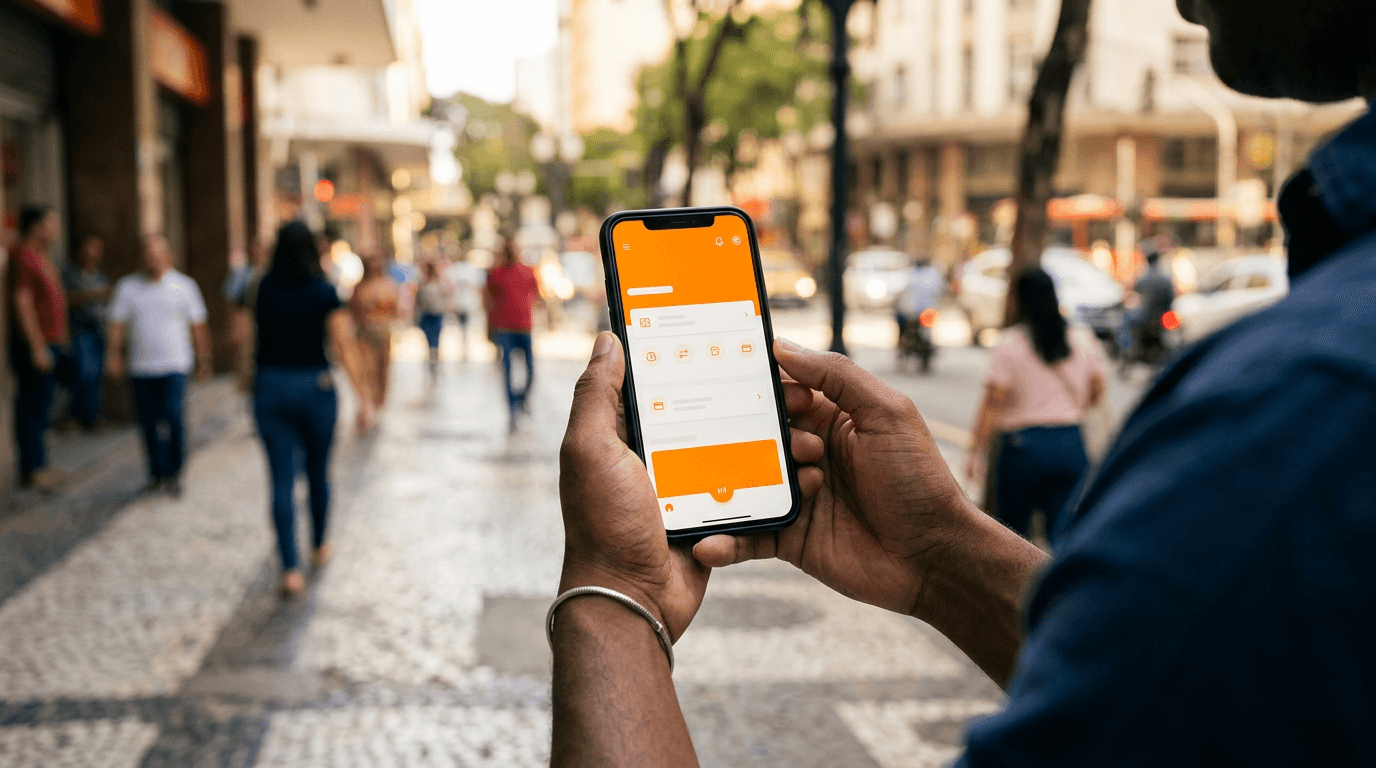
A surge in the shares of Brazilian digital banking group Inter & Co has turned the spotlight on a select group of Latin American financial technology companies that bypass traditional depositary receipts to list directly on US exchanges. On Friday, October 9, 2026, the company’s Nasdaq-listed shares jumped 6.08%, closing at $7.68. The move represents a notable shift for international retail investors who want direct exposure to Brazil’s fast-evolving financial sector without navigating the complexities of American Depositary Receipts (ADRs).
Based in Belo Horizonte, Brazil, Inter & Co operates a "super-app" that combines digital banking, credit cards, investment tools, and an e-commerce marketplace under one roof. Unlike traditional Brazilian banking giants that trade in New York via ADR programs, Inter executed a corporate reorganization that culminated in a direct primary listing on the Nasdaq under the ticker INTR. This structure allows US retail investors to buy and sell the stock directly, avoiding the custody fees and conversion adjustments often associated with ADRs.
The company's recent market momentum is closely tied to its financial performance. In its latest quarterly earnings report, Inter posted record profitability, driven by strong credit portfolio growth and expanding net interest margins. The bank has successfully leveraged its low-cost digital acquisition model to cross-sell insurance, brokerage, and shopping services to its expanding user base. This strategy has helped the digital lender maintain a strong return on equity while keeping operational expenses relatively low.
For foreign observers, the growth of digital-first banks like Inter highlights a broader structural shift in Brazil's economy. Over the past decade, the Central Bank of Brazil has actively promoted competition in a highly concentrated banking sector, paving the way for fintechs to challenge established institutions. This regulatory environment has allowed digital platforms to rapidly scale, offering millions of unbanked or underbanked Brazilians access to financial services for the first time.
What it touches
The direct listing structure of Inter & Co (NASDAQ: INTR) makes it highly sensitive to broader sentiment surrounding Brazil stocks listed in US markets. Because it is traded directly in US dollars, the stock is exposed to fluctuations in the Brazilian real and changes in domestic interest rates, which directly impact credit demand and default rates in South America's largest economy.