
Brazil Fintechs Face High-Stakes Regulatory Shifts Ahead of Election
Brazil's upcoming presidential election on October 4, 2026, could reshape the regulatory landscape for its booming digital banking and fintech sectors.
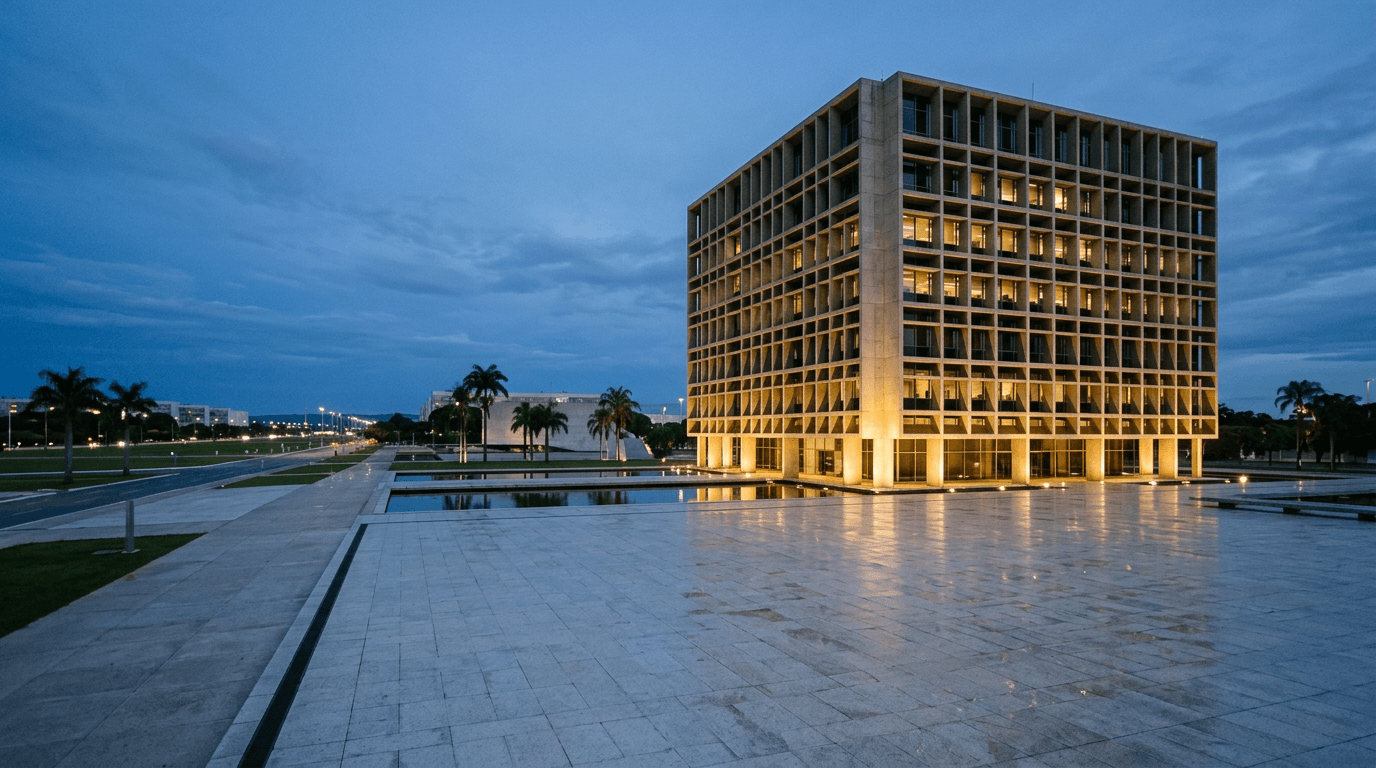
Brazilians are preparing to head to the polls on October 4, 2026, for a highly polarized presidential election that is widely expected to head to a second-round run-off on October 25, 2026. According to the Superior Electoral Court (TSE), the tight race features left-wing incumbent President Luiz Inácio Lula da Silva and right-wing Senator Flávio Bolsonaro, the son of former President Jair Bolsonaro. For the country's booming financial technology sector, the outcome of this political showdown will carry consequences that extend far beyond the presidential palace, directly shaping the regulatory landscape for some of the world's most successful digital banks.
The next administration will hold the power to fill critical vacancies across Brazil's most influential economic institutions, including the Central Bank of Brazil (BCB), the Securities and Exchange Commission (CVM), and the Supreme Federal Court. In Brazil, the Central Bank operates with formal independence, meaning its governor serves a fixed term that does not align directly with the presidential cycle. However, the incoming president will nominate key directors and the next central bank chief, steering the regulatory philosophy for an institution that pioneered the Pix instant-payment system and fostered the rapid rise of digital-only banks.
Under the current regulatory framework, Brazil has become a global laboratory for financial innovation. However, the sector is entering a more mature and heavily scrutinized phase. The Federal Revenue Service recently tightened transparency and reporting rules for fintechs to combat money laundering, while the Central Bank has begun implementing stricter oversight on digital credit underwriting and artificial intelligence in financial decisions. A victory for Lula's Workers' Party is expected to maintain a focus on consumer protection, social inclusion, and tighter fiscal oversight, whereas a Flávio Bolsonaro administration would likely lean toward deregulation and a more traditional pro-market agenda.
The political risk has kept international investors on high alert, yet the resilience of Brazil's digital banking ecosystem remains a focal point. Leading up to the vote, market analysts are closely watching how the transition of power in Congress, where a large portion of the Senate is also up for election, will influence how smoothly the next president's regulatory and judicial nominees are confirmed.
What it touches
The regulatory direction decided by the next administration directly impacts US-listed Brazilian financial institutions and digital platforms. Companies like Inter & Co. (NASDAQ: INTR), which operates as a prominent digital bank in Brazil, are highly sensitive to shifts in the benchmark Selic interest rate and changes in capital requirement rules dictated by the Central Bank. Investors will continue to monitor how the post-election regulatory environment affects credit growth, operating margins, and compliance costs for these digital-first players.