
Brazil Fintechs Bypass Local B3 Exchange for US IPOs
Prominent Brazilian digital banks are choosing Wall Street over São Paulo's B3 exchange to capture global valuations and institutional liquidity.
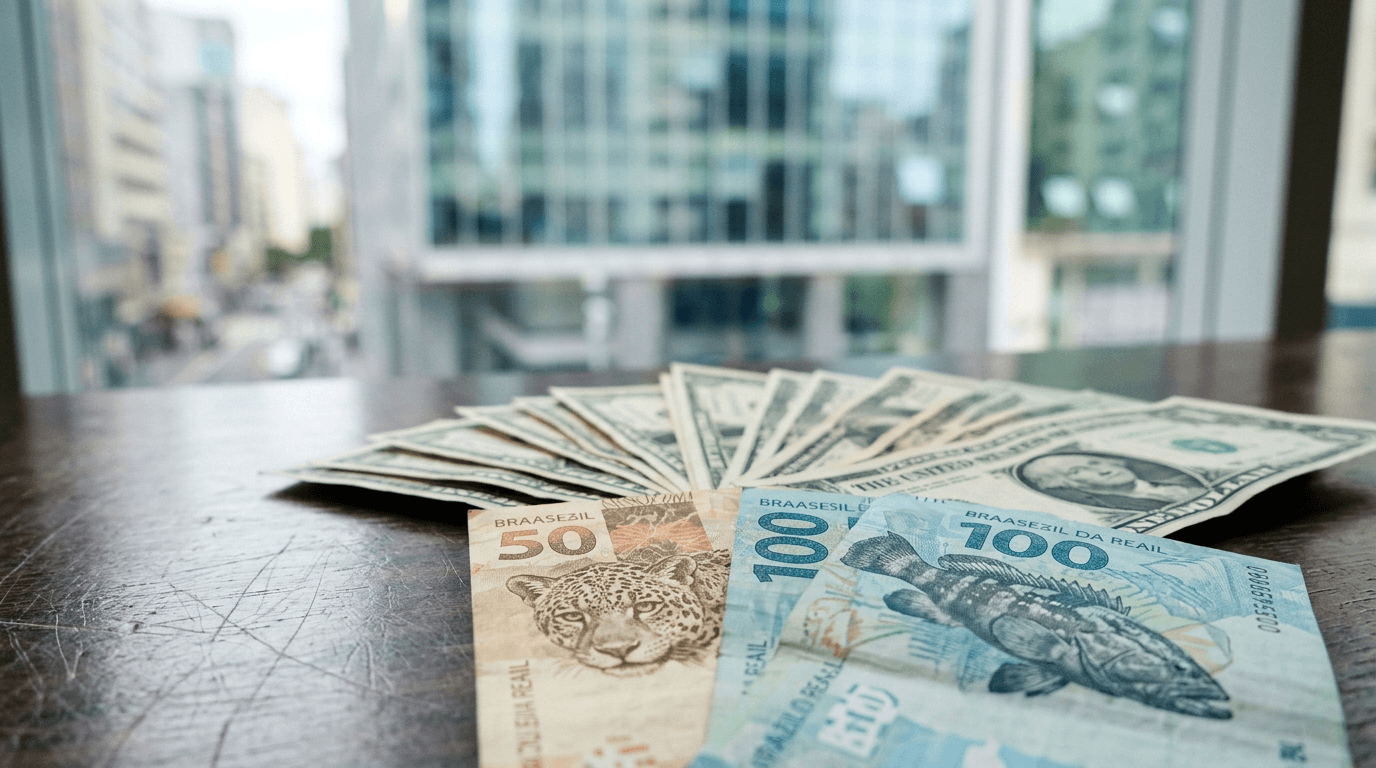
A growing wave of prominent Brazilian digital banks is choosing US capital markets over local listings, signaling a strategic shift to capture global valuations and institutional liquidity. By bypassing São Paulo’s local B3 exchange, these fast-growing financial technology firms are heading straight to New York to fuel their next phase of growth, reshaping how Latin American tech is financed.
The trend has gained significant momentum with major moves from some of Brazil's largest digital lenders. PicPay, a massive São Paulo-based digital wallet and banking platform with over 66 million clients, filed for a Nasdaq initial public offering (IPO) under the ticker PICS, targeting an offering of over 22.8 million shares to raise up to $500 million. Following closely behind, digital lender Agibank successfully accessed the US public markets, listing on the New York Stock Exchange (NYSE) under the ticker AGBK. While Agibank initially targeted up to $1 billion in its early prospectus, it ultimately calibrated its offering to raise $240 million at a $1.92 billion valuation, prioritizing execution certainty in a disciplined pricing environment.
This pivot highlights a major structural shift. For years, Brazilian companies defaulted to the local B3 exchange, but fintechs are increasingly attracted to the deeper liquidity, global branding, and higher valuation multiples offered by US exchanges. The momentum is backed by stellar financial metrics across the sector. Market leader Nu Holdings (NYSE: NU), the parent company of Nubank, reported record-breaking Q2 2026 results, generating $5.51 billion in total revenue—up 55.8% year-over-year—and posting a historic net income of $1.06 billion, proving that Latin American digital banking models can achieve world-class scale and profitability.
However, these fintechs are pursuing global listings despite mounting domestic headwinds. In Brazil, rising credit card delinquency rates have pressured loan books, with Nu Holdings reporting that credit card overdue receivables rose to 12.5% in the second quarter of 2026. Furthermore, the sector is bracing for a heavy new consumption tax on financial services, which is scheduled to take effect on January 1, 2027, as part of Brazil's sweeping tax reform. By listing in the US, these companies hope to insulate their valuations from localized emerging-market shocks and attract a more diverse, tech-focused global investor base.
What it touches
This strategic migration directly impacts US-traded assets in the Latin American financial sector. Investors tracking the region will see direct exposure through Nu Holdings (NYSE: NU), which serves as the primary valuation benchmark for these newly listing peers. The success or volatility of newcomers like PicPay (NASDAQ: PICS) and Agibank (NYSE: AGBK) in the aftermarket will likely dictate whether other Brazilian digital players choose to follow the same path to Wall Street or wait for domestic conditions to stabilize.