Why Chicago soybean traders are keeping a close eye on Brazil
Speculators hold a significant net-long position in Chicago soybean futures as South American planting progress and weather risks offset U.S. harvest pressure.
Global commodity traders are increasingly looking past the rapid pace of the Midwestern harvest to focus on weather patterns thousands of miles away. According to the weekly Commitments of Traders report released by the U.S. Commodity Futures Trading Commission (CFTC) for the observation date of October 20, 2026, non-commercial speculators held a significant net-long position in Chicago Board of Trade soybean futures. On that date, non-commercial long positions stood at 330,528 contracts compared to 83,932 short positions, resulting in a net-long position of 246,596 contracts, with total contract open interest reaching 1,093,612.
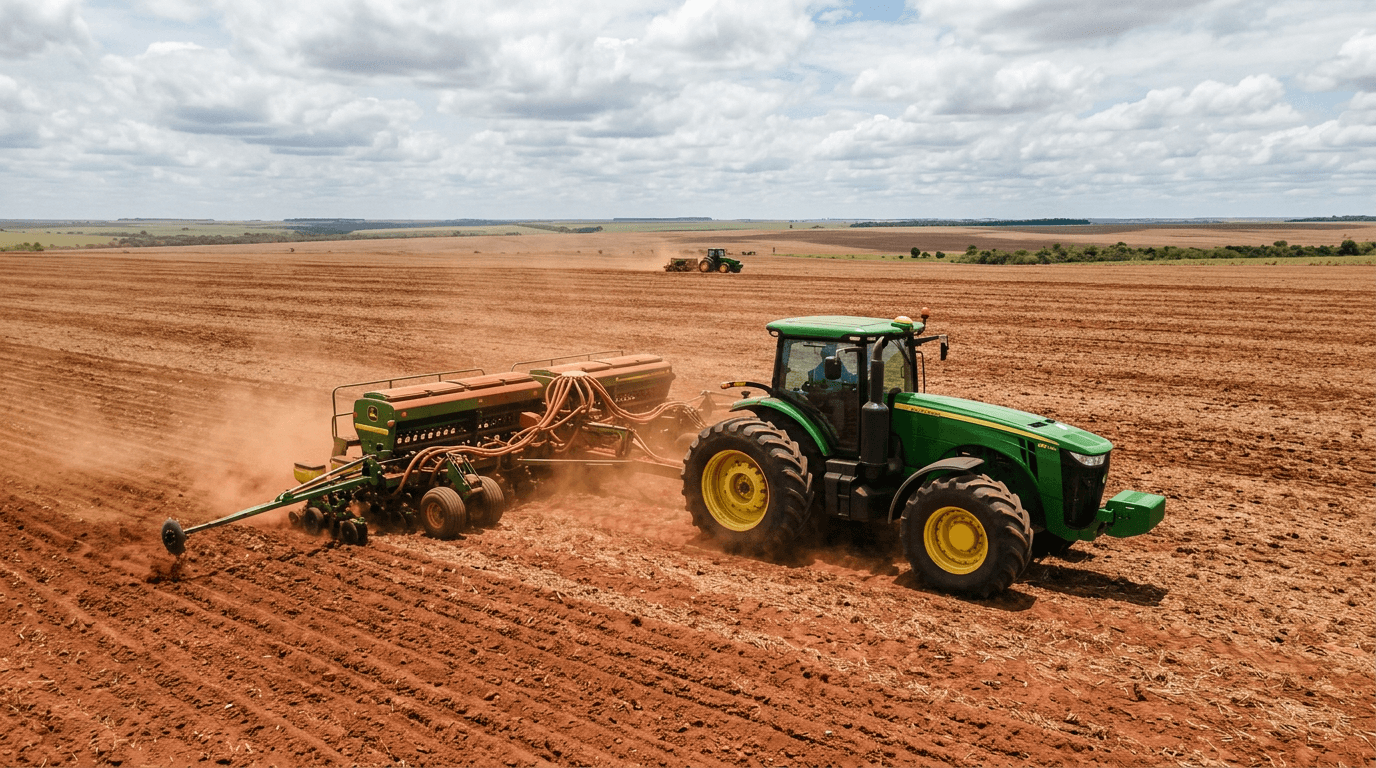
While these weekly figures do not serve as a direct price forecast, they reveal that large speculative funds are maintaining a bullish cushion even as physical supplies flood American elevators. The primary catalyst for this cautious optimism lies in Brazil, the world's dominant exporter of the oilseed. Brazilian farmers are currently planting their 2026/27 crop, and while progress has accelerated, the market remains highly sensitive to early-season weather risks.
According to a crop progress report released on October 26, 2026, by Brazil's National Supply Company (Conab), nationwide planting had reached 30.1% of the expected area as of October 16, outpacing the five-year average of 26.4%. However, regional variations keep traders on edge. The Mato Grosso Institute of Agricultural Economics (IMEA) reported in its October 19, 2026, weekly bulletin that it maintained its estimated soybean productivity for the state of Mato Grosso but cautioned that early-season climatic risks associated with the El Niño phenomenon remain a key concern for the crop's development. This tension between a swift U.S. harvest and localized South American planting conditions is keeping risk premiums alive in global agricultural markets.
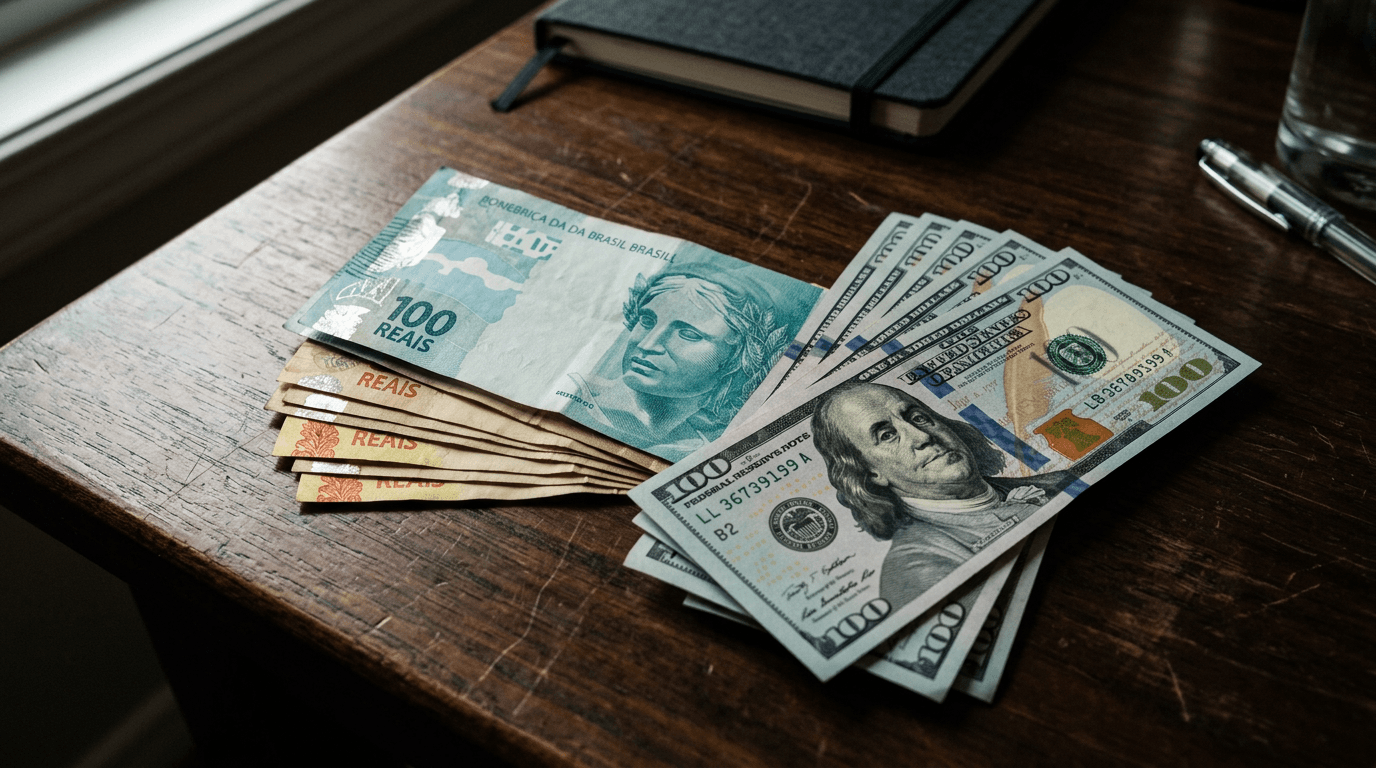
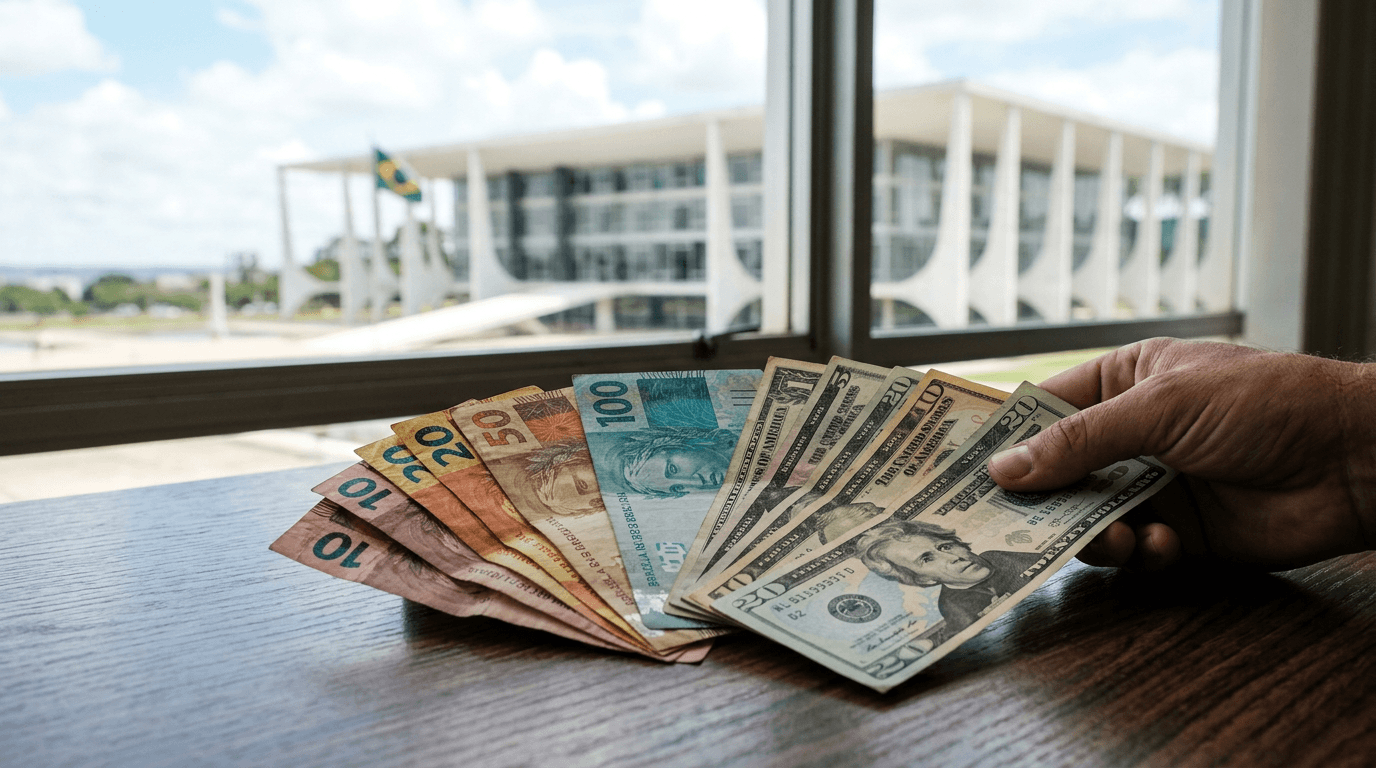
Beyond the weather, international investors are also monitoring Brazil's broader macroeconomic environment. The country's agricultural exports are highly sensitive to the value of the Brazilian real. Fluctuations in the local currency, often driven by fiscal policy debates under President Luiz Inácio Lula da Silva, directly impact the competitiveness of Brazilian crops on the global stage. A weaker real makes Brazilian soybeans cheaper for international buyers, which can pressure Chicago futures regardless of local crop conditions.
Some market participants monitor these dynamics through South American agricultural producers listed in New York, as well as Brazil-focused exchange-traded funds. These instruments are tracked by analysts as general equity-market proxies for regional agricultural and logistics conditions, though they are subject to broader macroeconomic, currency, and political risks. These references are provided solely as examples of market instruments and do not constitute investment suggestions or recommendations.