US soybean traders trim bullish bets as South American rain returns
Speculators scale back Chicago soybean long positions as improved rainfall across Brazil accelerates planting and eases global supply concerns.
Speculators in Chicago are scaling back their bullish bets on agricultural commodities as weather patterns shift across the Southern Hemisphere. According to the U.S. Commodity Futures Trading Commission (CFTC) report released for the week ending October 20, 2026, non-commercial traders held 330,528 long contracts compared to 83,932 short contracts. This left the market with a net-long position of 246,596 contracts, down from the previous week's net-long position of 271,100 contracts. Total open interest for the Chicago Board of Trade soybean contract stood at 1,093,612 contracts.
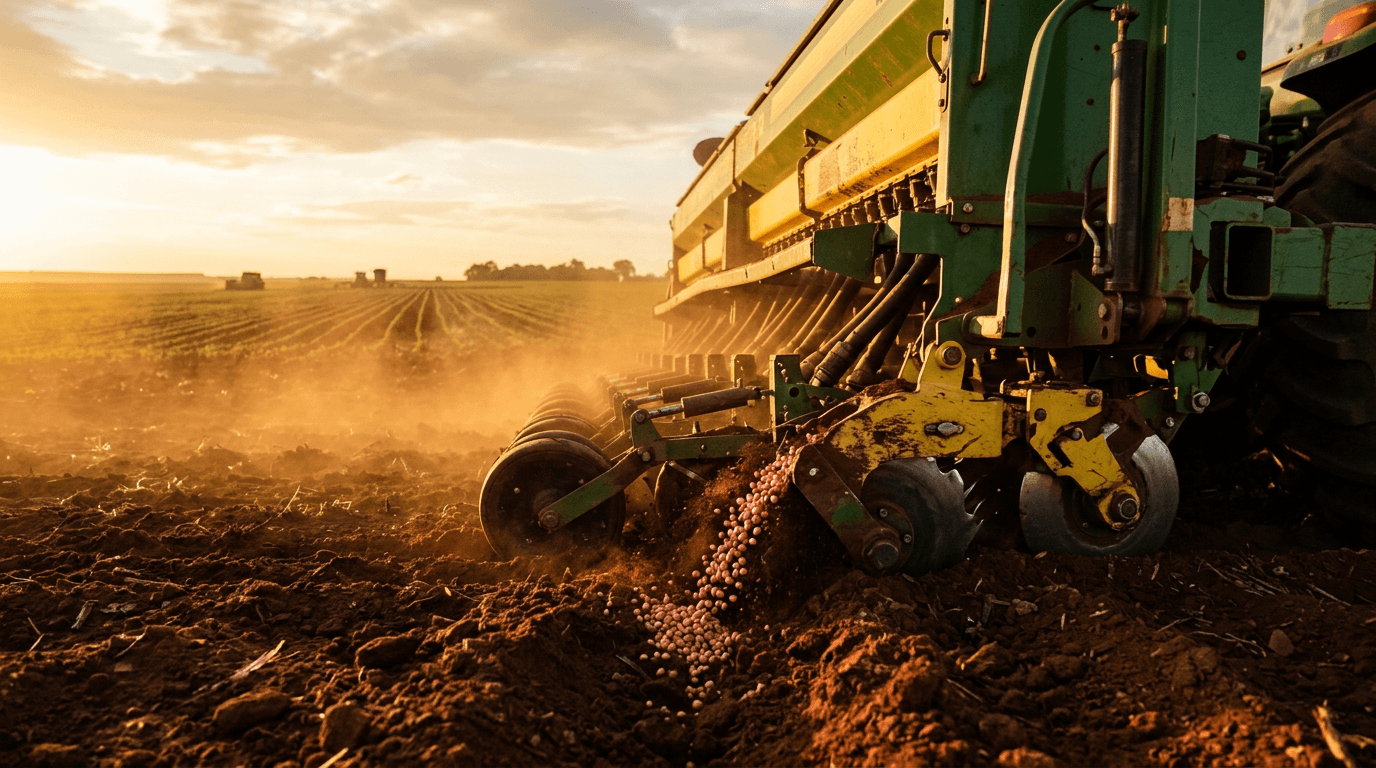
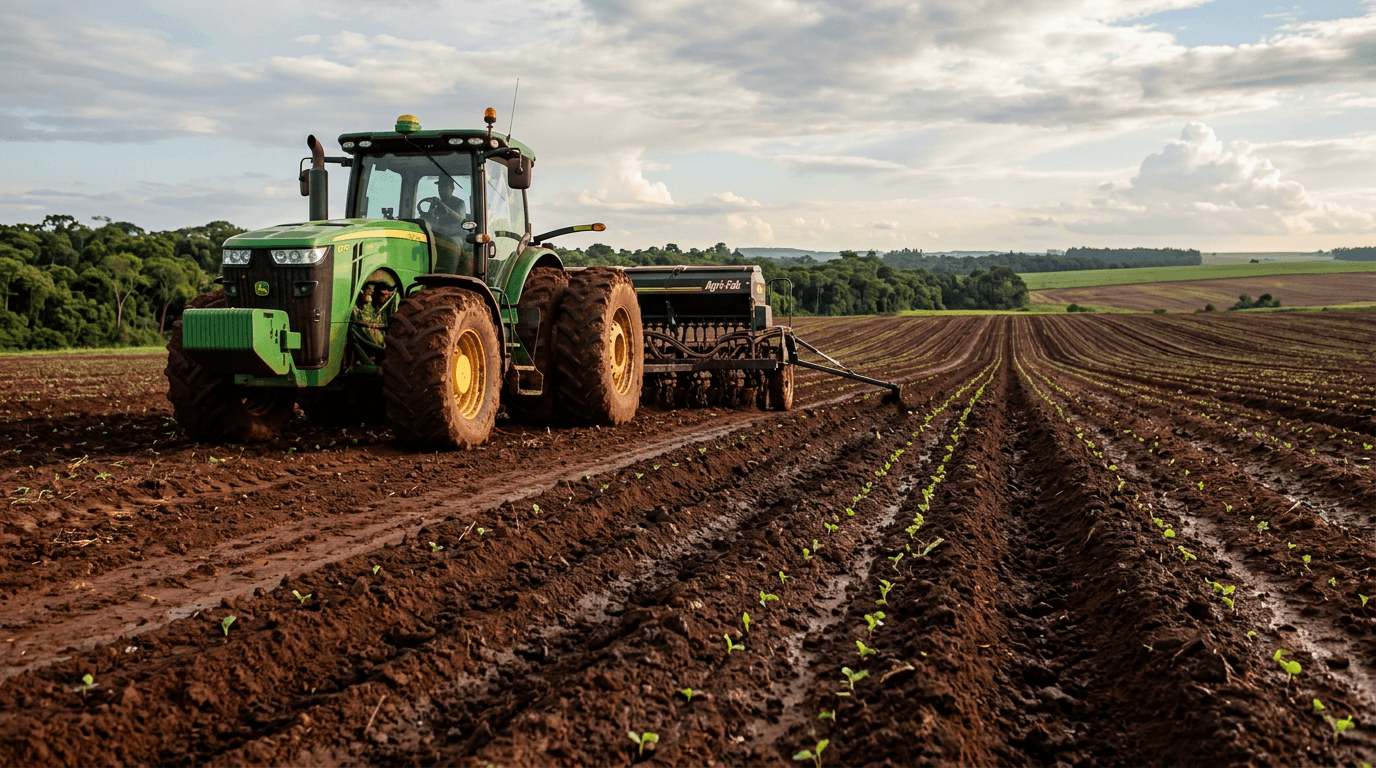
This reduction in bullish exposure comes as Brazil, the world's largest soybean exporter, experiences a rapid start to its planting season. Improved rainfall across key agricultural states has eased concerns over early-season dryness, allowing Brazilian farmers to seed their crops at a near-record pace. By mid-October 2026, approximately one-quarter of Brazil's projected soybean area had already been planted, keeping global supply expectations comfortable and capping price rallies on the Chicago Board of Trade.
The weekly CFTC Commitments of Traders report serves as a measure of speculative sentiment rather than a direct price forecast. While speculative funds remain historically net-long on soybeans, the gradual liquidation of these positions reflects growing confidence in South American production. Analysts note that without an acute weather shock in Brazil or Argentina over the coming months, the comfortable global supply outlook is likely to keep a lid on Chicago futures.
Among companies with exposure to this dynamic is Adecoagro S.A. (NYSE: AGRO), a farming company operating in Brazil and Argentina. The company's financial results are structurally exposed to regional crop yields and global agricultural commodity prices, making its performance highly sensitive to how the South American planting season progresses through the final months of the year.