
Speculators Hold Massive Net-Long Bet on Soybeans, Setting Bullish Tone for Brazil's Top Export
Large non-commercial traders held 281,581 net-long contracts in Chicago soybean futures as of September 22, signaling strong upward price expectations for Brazil's agribusiness sector.
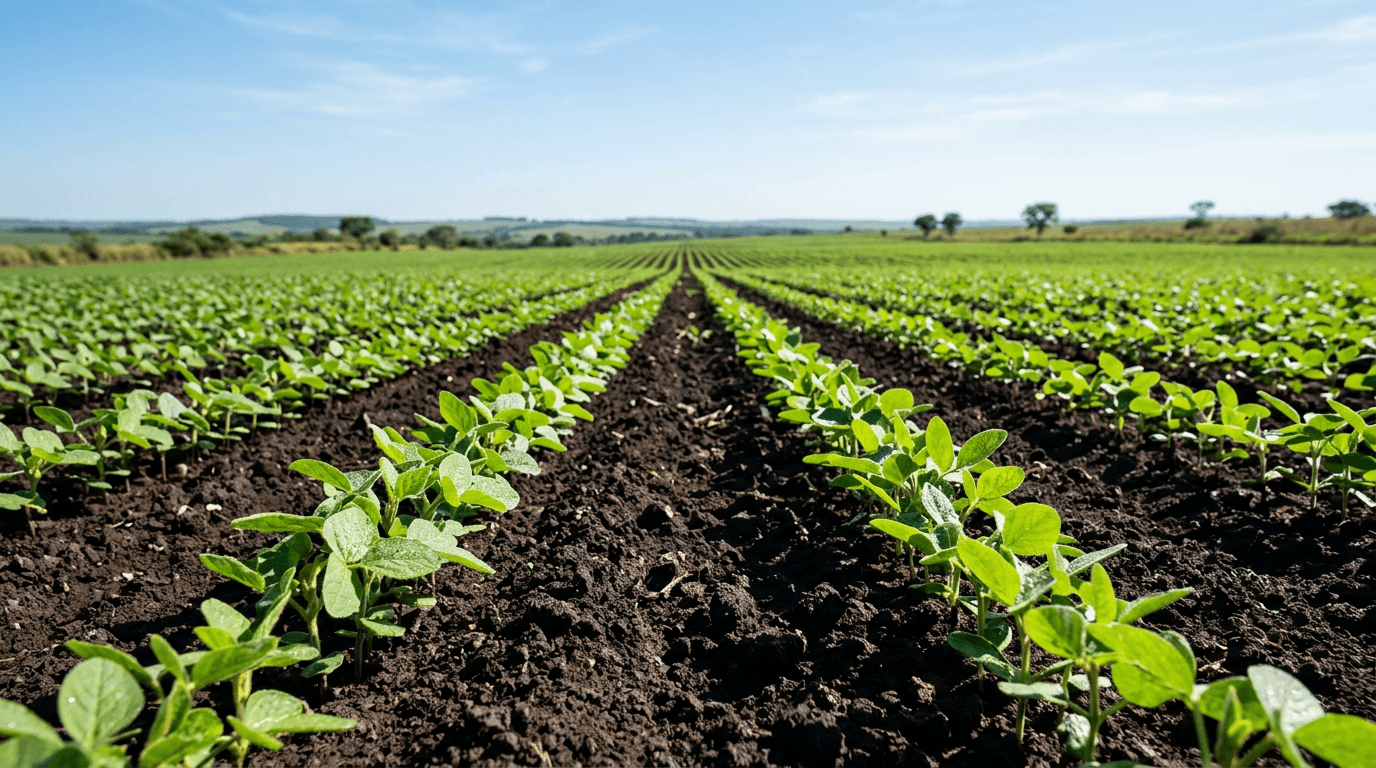
Large speculative traders are betting heavily on an increase in global soybean prices, holding a massive 281,581 net-long contracts in Chicago Board of Trade soybean futures as of September 22, according to the latest Commitment of Traders (COT) report released by the U.S. Commodity Futures Trading Commission (CFTC). This significant positioning, where long positions outnumber short bets, signals that major investment funds and other non-commercial players overwhelmingly anticipate rising prices for the key global commodity.
The sentiment on the Chicago exchange, while based on a U.S. contract, has direct and material consequences for the Brazilian economy, which is the world’s largest producer and exporter of the oilseed. Soybean exports are the backbone of Brazil's powerful agribusiness sector, or agronegócio, accounting for 16% of the country’s total exports in 2023. Any price momentum generated by speculative sentiment in the Chicago market translates quickly into revenue expectations for the Brazilian farms, processors, and exporters who supply over half of the world's traded soybeans.
The CFTC report tracks the positions of traders in U.S. futures markets. The "non-commercial" category represents large financial players—such as hedge funds and institutional investors—who are generally trading on price forecasts rather than hedging physical inventories. The net-long figure is the difference between the 370,525 long contracts and 88,944 short contracts held by these traders against a total open interest of 1,114,328 contracts. This concentration of long positions suggests strong capital flow into the commodity based on expectations of constrained supply or rising demand, a factor that will influence global pricing for Brazil's harvest.
Moving forward, the key elements to watch are any shifts in this speculative positioning in subsequent weekly CFTC reports and, more critically, the progress of the upcoming Brazilian planting season. Market attention will focus on weather patterns in Brazil's key growing states—including Mato Grosso, Goiás, and Paraná—as the success or failure of the harvest will either justify the current high speculative bet on rising prices or lead to a sharp reversal. Brazil's extensive agricultural expansion, which now pushes into regions like the Cerrado and the Legal Amazon, means the global supply picture is heavily dependent on favorable conditions there.
What it touches
A continued bullish tone in soybean futures has implications for Brazilian-linked agribusiness assets and food processors. Companies with extensive ties to the soft commodity cycle, such as global protein giant JBS, which relies on soybeans for animal feed, and Adecoagro, which manages vast farmland for the production of grains and sugar, are sensitive to both the cost of inputs and the prices achieved by competitors in the sector.