
Speculators Hold Massive Net-Long Bet on Soybeans Despite Brazil’s Record Harvest Outlook
Financial speculators are holding a net-long position of 176,561 contracts in soybean futures, creating a volatile market contrast against Brazil's massive supply.
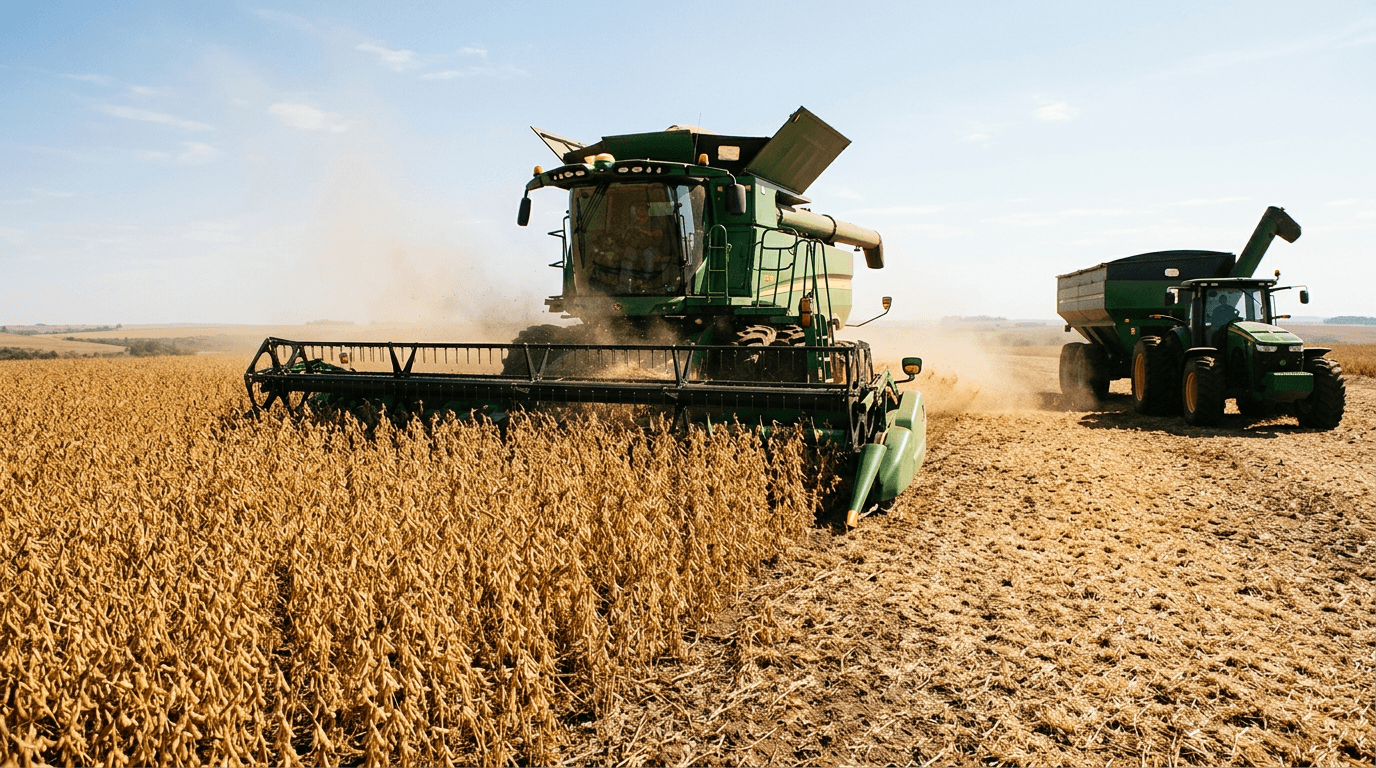
Large financial speculators, often referred to as non-commercial traders, are currently holding a highly concentrated bullish position in soybean futures, betting on higher prices despite the massive supply expected from Brazil, the world's largest exporter of the oilseed. The latest official data on futures market positioning shows these traders hold 211,649 long contracts—bets that prices will rise—against only 35,088 short contracts, translating into a powerful net-long position of 176,561 contracts.
This aggressive positioning sets up a volatile tension in the global market. Brazil's agricultural sector has cemented its dominance, with official agencies like Conab forecasting record or near-record soybean harvests of up to 172.2 million tonnes for the 2024/2025 season. This unprecedented supply puts structural pressure on global prices, as Brazil is projected to account for nearly 60% of the world's total soybean exports this marketing year. The sheer scale of Brazilian output, primarily from the heartland state of Mato Grosso, typically limits the upside for prices unless there is a major weather shock in the Americas.
The concentration of risk is significant because a single bearish surprise could trigger a massive wave of selling. Speculators typically drive market momentum, and while they can propel prices higher with continuous buying, an unexpected positive crop report from the U.S., a sudden drop in demand from China—the world’s largest buyer of Brazilian soybeans—or flawless harvest logistics in South America could prompt fund managers to liquidate their vast long positions all at once. Such an unwinding of the concentrated bet would flood the market with sell orders, potentially causing prices to fall sharply and abruptly.
For Brazil's soybean farmers and logistics firms, this speculative overhang creates an added layer of uncertainty. While physical demand remains robust, farmers who have delayed forward-selling their new crop in hopes of higher prices could be exposed to a swift correction. The market’s resilience will now be tested by the ongoing dynamics of the Brazilian export corridor and any sign of waning appetite from China, which has increasingly favored Brazilian supplies over those from the United States. Traders will continue to monitor the market's total open interest, currently at 667,618 contracts for the non-commercial segment, for any signs of profit-taking that could signal the end of this bullish push.
What it touches
The underlying volatility in the global soybean market has direct implications for publicly traded Brazilian companies with exposure to the agricultural supply chain. Food and protein giant JBS N.V. (NYSE: JBS), which uses soybeans for animal feed, and Adecoagro S.A. (NYSE: AGRO), which owns and operates farmland in Brazil, are sensitive to sharp price movements in the commodity. JBS shares closed the day at $12.51, down 0.64%, while Adecoagro, an agro/farmland company, saw its shares trade at $11.72, a decline of 0.42%.
Related coverage
Markets · PRO
Speculators Amass Massive Soybean Bet as Brazil’s Planting Season Begins
Published
Markets
BlackRock Launches Tax-Efficient ETF for Coupon-Bearing Brazilian Government Bonds
Published
Markets
Brazil’s Antitrust Body Clears Batista Brothers’ Acquisition of Strategic Missile Manufacturer Avibras
Published