
Speculators Bet Big on Rising Soybean Prices Amid Concerns Over Brazil’s Next Harvest
Large speculators increased their net-long position in Chicago soybean futures, a bet fueled by strong demand and South American weather worries.
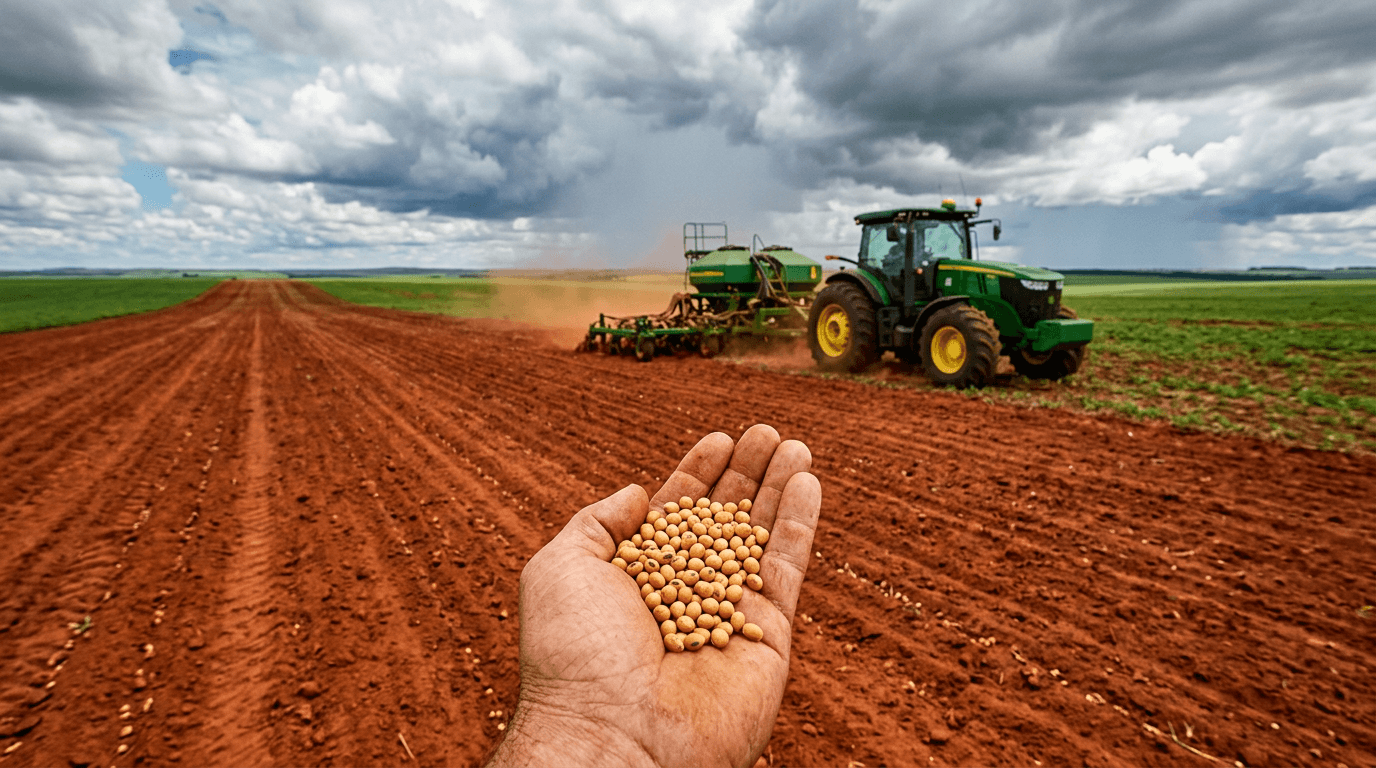
Large speculators increased their net-long position in Chicago Board of Trade (CBOT) soybean futures to 261,183 contracts as of September 15, 2026, according to the latest weekly Commitments of Traders (COT) report released by the U.S. Commodity Futures Trading Commission (CFTC). This net position, which measures the difference between bets on rising (long) and falling (short) prices, represents a significant conviction by major funds and money managers that the global soybean market will tighten.
The speculative conviction, driven by managed money traders holding 356,583 long contracts versus 95,400 short contracts, comes despite Brazil's status as the world's dominant supplier of the oilseed. While CBOT futures remain the global benchmark for price discovery, Brazil is the top producer and exporter, accounting for over half of all global soybean trade, with the vast majority of its exports going to China. The country's physical supply is a crucial factor in the pricing of the CBOT contract.
The rally in speculative buying is tied to fundamental concerns about the immediate future of the South American crop. Global crush demand remains strong, but market attention has shifted to potential production risks for the 2026/2027 planting season in Brazil, which is now underway. Recent forecasts point to a strong El Niño weather pattern developing, which could bring adverse conditions to key growing regions in the months ahead. This concern was compounded after CONAB, Brazil’s national supply company, released a lower initial production estimate for the coming crop compared to the U.S. Department of Agriculture.
For the Brazilian economy, rising futures prices on a key global exchange can provide a vital buffer for farmers. The speculative bet on higher prices could help offset mounting pressures from high domestic interest rates and elevated costs for inputs like fertilizer, which have been squeezing farm profitability. This potential relief arrives at a critical time, as some analysts suggest the two-decade-long expansion of Brazilian soybean acreage may be slowing due to these tighter margins.
The key issue to watch now is the weather in Brazil and the pace of planting for the 2026/2027 crop. Should the weather forecast materialize into a genuine threat to crop yields—especially in southern or central Brazil—the speculative bet on higher prices will likely be validated. Conversely, an average or bumper crop could unwind this large net-long position swiftly, putting downward pressure on prices that ultimately impact the revenue of South America's most important cash crop.
What it touches
The exposure to soybean prices directly impacts Brazil's massive agricultural sector. Companies like the diversified agribusiness firm Adecoagro S.A. (AGRO) and the global protein giant JBS (JBS)—which relies on soybeans for animal feed—are exposed to these price movements, as higher commodity prices affect their input costs and overall revenues.
Related coverage
Markets · PRO
Lula Government Asserts Regulatory Power with Tech Lawsuit, Fires Bolsonaro Son
Published
Markets · PRO
New Quaest Poll Confirms Technical Tie in Brazilian Presidential Race
Published
Markets · PRO
Brazil Boosts Bolsa Família Benefits by 15% Ahead of Election, Fueling Fiscal Discipline Debate
Published