
Speculative Bets on Chicago Soybeans Climb to 261,000 Contracts, Setting Tone for Brazil’s Top Export
Managed money positions show a significant bullish bet on U.S. soybean futures, a key benchmark for Brazil's massive farm sector.
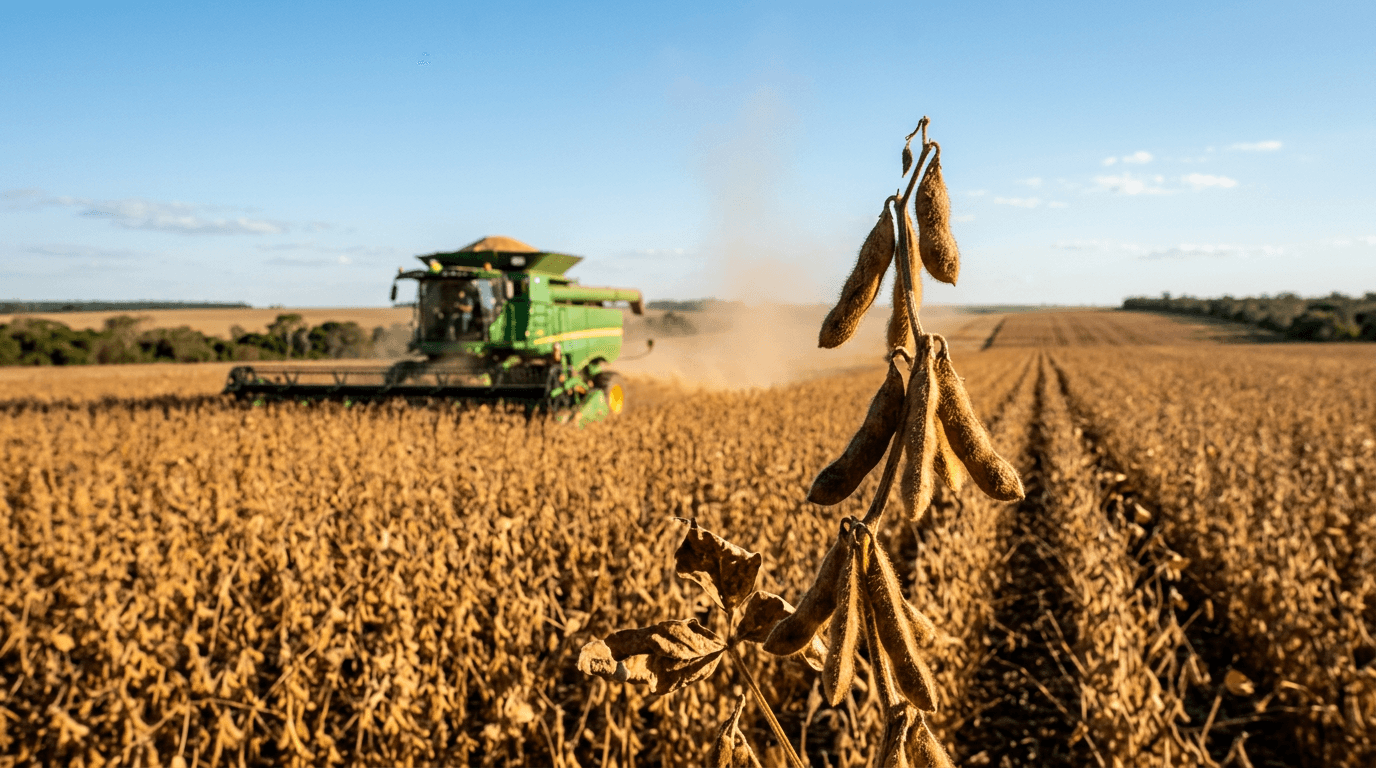
Large speculative investors have maintained a significant bet on rising global soybean prices, with the net non-commercial long position in Chicago Board of Trade (CBOT) soybean futures reaching 261,183 contracts as of September 15, according to the latest Commitments of Traders (COT) report released by the U.S. Commodity Futures Trading Commission (CFTC). The figure, derived from 356,583 contracts long versus 95,400 contracts short, reflects a widely bullish sentiment among hedge funds and managed money looking at the next cycle of global supply.
The CFTC's weekly COT report breaks down the holdings in major commodity futures markets. The non-commercial category, often referred to as "managed money," represents the positions of large financial speculators who are trading price movements rather than hedging physical inventory. This positioning provides context for price action, as a large net-long position indicates that a significant number of speculative funds are collectively betting on prices to climb higher.
While the data originates from a U.S. exchange, its significance is global, particularly for Brazil, the world’s largest producer and exporter of soybeans. Brazil has cemented its position as the pre-eminent force in global soybean supply, and the price established in Chicago serves as the primary benchmark for the billions of dollars of revenue generated by the country’s massive farm sector. Soybeans are Brazil's second-largest export, after iron ore, and the crop's success in states like Mato Grosso and Paraná is critical to the national trade balance and rural employment.
The Chicago price action is especially important now as it coincides with the run-up to the South American planting season. Brazilian farmers, who benefited from a massive harvest this past year, are preparing to plant the new crop, which will dictate global supply for 2027. Market focus is shifting to weather patterns, specifically the potential for La Niña conditions, which have historically brought drought to the southern regions of the country and could lead to production shortfalls that drive prices higher.
The current speculative positioning suggests that investors are anticipating a supply squeeze, perhaps due to weather concerns or sustained high demand from key importers like China. The total open interest in the contract—the number of outstanding positions—stood at 1,104,880 contracts, indicating deep market engagement. While this report is a snapshot of sentiment and not a price forecast, the sustained speculative buying pressure is a material factor that influences the global valuation of Brazil's largest agricultural commodity.
What it touches
The sustained bullish sentiment in the Chicago soybean futures market directly impacts the outlook for Brazil's agribusiness sector. Companies with exposure to grain logistics, trading, and protein production, such as the meatpacking giant JBS (JBS), which relies on soy for animal feed, and the diversified agribusiness company Adecoagro (AGRO), are indirectly exposed to the commodity's price trend, which directly influences the cost of production and the overall economic health of Brazil's powerful farm frontier.
Related coverage
Markets · PRO
Mercado Livre Enters Prescription Drug Sales, Sends Brazilian Pharmacy Stocks Tumbling
Published
Markets · PRO
Brazil Central Bank Signals New Regulations to Curb ‘Predatory’ Consumer Credit
Published
Markets
Brazil's Rising Fiscal Deficit to Fund Welfare Hike Tests Fiscal Rule Credibility
Published