
Political and Crime Scandals Overshadow Brazil’s Economic Signals as Election Nears
A deepening Supreme Court crisis and a major organized crime probe in São Paulo dominate Brazilian politics, while Lula expands welfare and a key tax deadline looms.
Brazil’s political and institutional landscape was shaken this week by escalating scandals, while President Luiz Inácio Lula da Silva moved to expand public benefits just weeks before a high-stakes presidential election that will determine the country’s trajectory.
The most dramatic events unfolded in the judiciary and São Paulo’s political sphere. Brazil’s Supreme Court crisis deepened with the institutional feud between Justice Alexandre de Moraes and Justice André Mendonça intensifying. The clash stems from the widening corruption investigation into the collapse of Banco Master, with police reports suggesting links between the bank’s former head, Daniel Vorcaro, and Justice de Moraes. The highly partisan dispute is eroding the court's credibility and has become a central talking point in the campaign leading up to the October election.
Separately, police executed an operation targeting the infiltration of the powerful organized crime faction PCC (Primeiro Comando da Capital) into São Paulo’s public transport system, a probe that included a warrant for a major political figure. Former São Paulo City Council President Milton Leite, a long-serving and highly influential figure in the city’s Brazilian politics, was named a target in the investigation before stating he would surrender to authorities. The allegation that a powerful criminal group could control a large part of the city’s infrastructure highlights the persistent challenge of organized crime and corruption at the local level.
In an apparent effort to solidify his social platform ahead of the vote, President Lula announced a 15% increase to the country’s main cash-transfer program, along with a pledge to incorporate expensive GLP-1 weight-loss drugs into the public healthcare system (SUS) for free distribution to eligible patients. Opponents swiftly criticized the timing of both announcements, coming just weeks before the election, though the government frames the welfare hike as a necessary inflation adjustment.
Lula also continued his sharp defense of oil exploration on the Equatorial Margin, arguing that the “new pre-salt” frontier is a matter of national sovereignty that must be protected from foreign control, citing the US and Venezuela as a cautionary tale. This rhetoric is aimed at appealing to nationalistic sentiment while balancing climate concerns against the vast potential oil revenue.
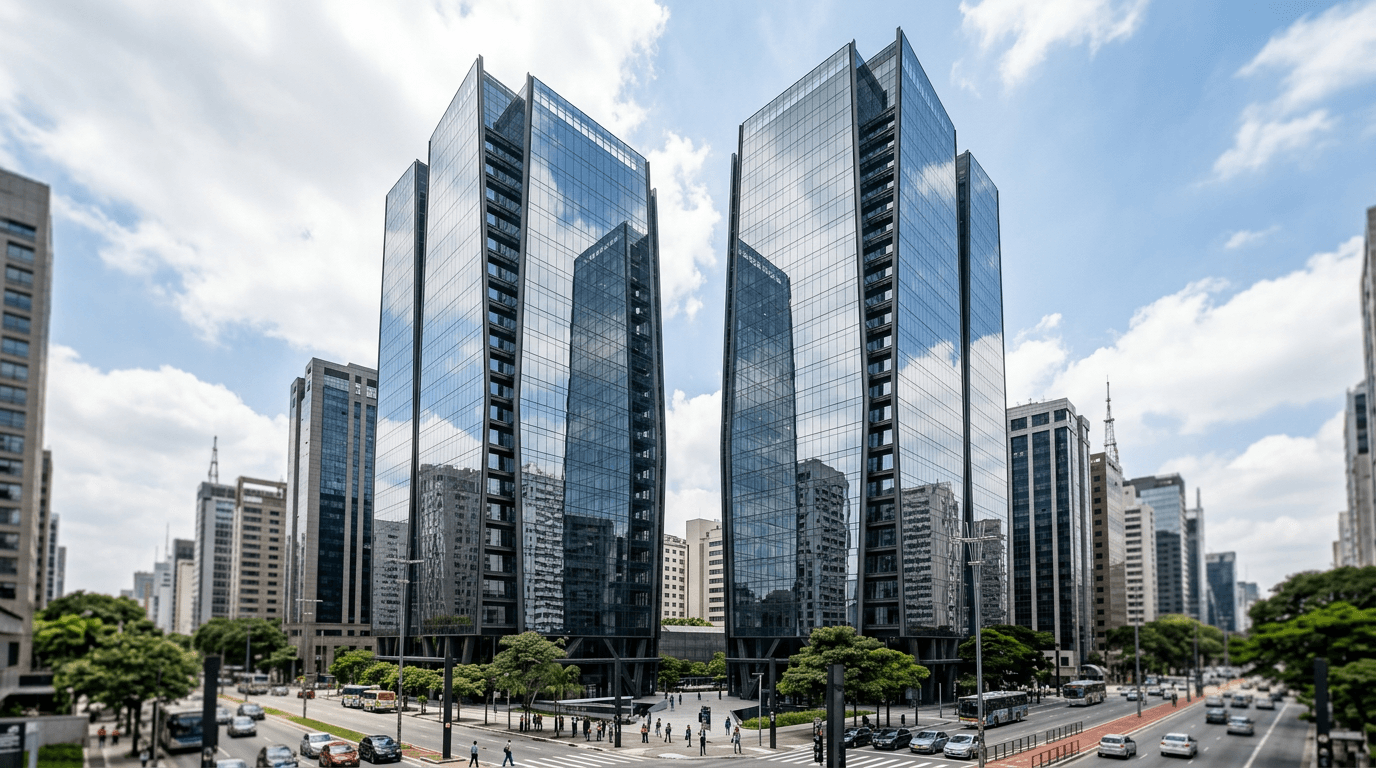
On the economic front, micro and small businesses that operate under the Simples Nacional tax regime face a crucial September 30 deadline. Due to the recently approved consumption tax reform, these firms must strategically choose how they will calculate the new dual consumption taxes (IBS and CBS) for 2027. This decision is expected to significantly impact the competitiveness and cash flow of small businesses, which are the backbone of the Brazil economy. A positive signal emerged from the financial sector as Itaú Unibanco, Brazil's largest private bank, signed a long-term lease for the entire Esther Towers project, a deal valued at R$1.17 billion that signals strong institutional confidence in the high-end São Paulo office market.
What it touches
Global investment sentiment toward Brazilian assets saw movement, with the US-listed shares of Brazilian lithium producer Sigma Lithium jumping 12.6% after JPMorgan Chase & Co. initiated coverage on the company with an "overweight" rating, a signal of Wall Street interest in Brazil’s critical minerals sector. Furthermore, global commodity market speculation continued to favor Brazilian agriculture, with investment flows reflecting a strong net-long bet on soybean futures, which helps to underpin prices for Brazil’s massive commodity export sector.
Related coverage
Markets · PRO
Speculators Hold Large Net-Long Bet on Soybeans Despite Record Brazil Crop Forecast
Published
Markets
Lula Declares Equatorial Margin the 'New Pre-Salt,' Framing Oil Push as Defense Against US Interest
Published
Markets · PRO
Petrobras Pressures Brazilian Government to Halt Gas Market Liberalization Program
Published