
Petrobras Price Hike Fully Absorbed by New Diesel Subsidy, Total Government Fuel Aid Nears R$10 Billion
Brazil's state-controlled oil company raised diesel prices by R$1.00/liter, but a new government subsidy immediately offset the increase.
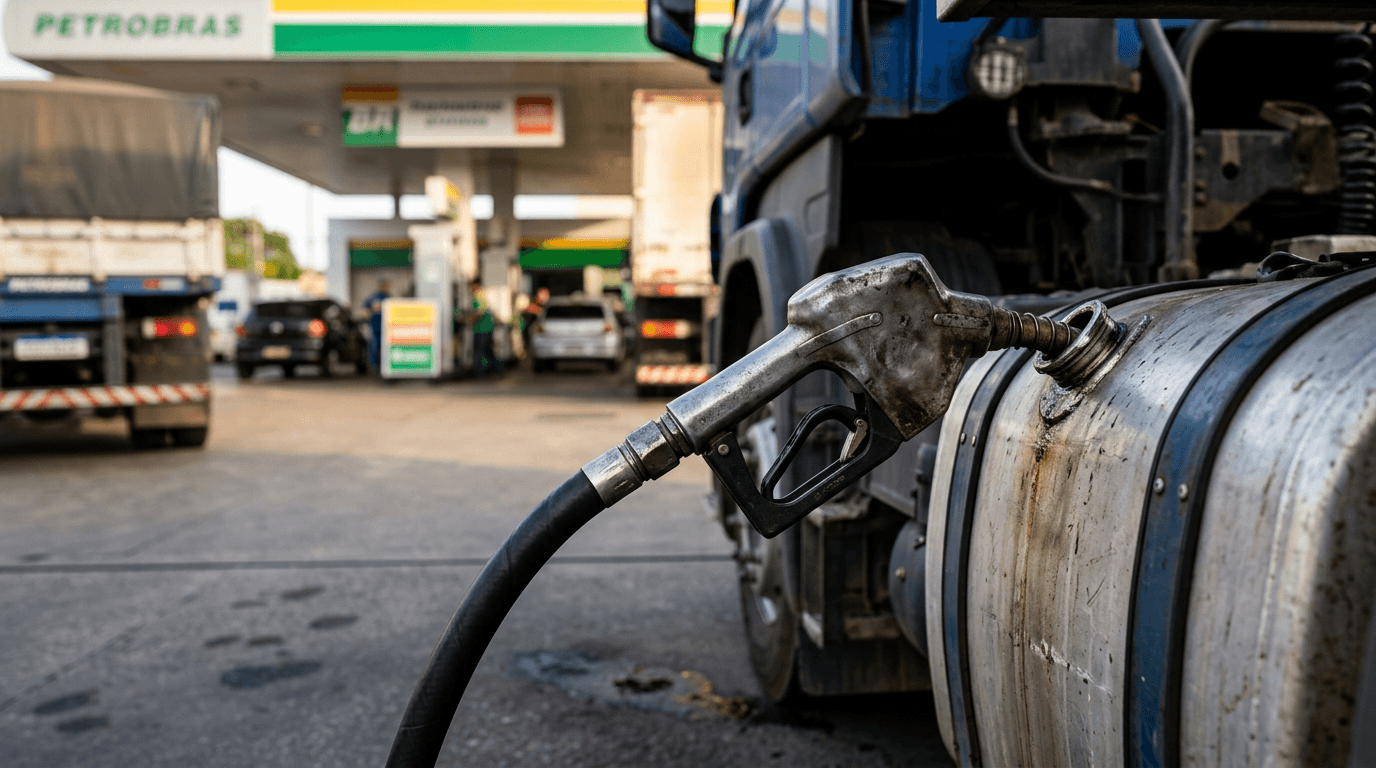
Petróleo Brasileiro S.A., the state-controlled oil company known as Petrobras, has agreed to a new government-mandated diesel subsidy of R$1.00 per liter, fully absorbing a wholesale price increase the company implemented simultaneously. The move signals a renewed political intervention in the firm’s pricing policy to prevent consumer costs from rising just weeks before Brazil’s presidential election.
The decision means that while Petrobras raised its wholesale price for diesel sold to distributors by R$1.00 per liter, the effective price at the pump should remain unchanged for the consumer, as the subsidy covers the increase. This new measure is layered atop an existing R$1.12 per liter diesel subsidy, meaning the total government aid for the fuel now stands at R$2.12 per liter. The accumulated total from all government fuel subsidy programs—including diesel, gasoline, and cooking gas (GLP)—has climbed to approximately R$9.9 billion.
Election-Year Fiscal Risk
The immediate and transparent political nature of the subsidy raises significant questions about Brazil's fiscal health and the government’s commitment to market-based pricing for state-owned enterprises. The total cost of the expanded subsidy package, which includes R$5 billion per month for the new diesel component and R$2 billion in tax relief for gasoline and ethanol, will cost the Treasury an estimated R$7 billion monthly in the run-up to the election.
President Luiz Inácio Lula da Silva’s administration is deploying this fiscal engineering to insulate consumers from the impact of international oil prices, which have recently breached the $100-per-barrel mark, driven by global instability. For foreign investors, the mechanism is a familiar reminder of the political risk inherent in Petrobras, where pricing decisions have historically been used by the government to manage inflation and public sentiment, often at the expense of the company’s independent commercial strategy.
The mechanism for funding the new subsidy involves a legally creative but politically transparent use of extraordinary revenues from oil exports to compensate for the tax relief, a move that eases the constraints of Brazil’s Fiscal Responsibility Law. The R$1.00 subsidy is authorized for 30 days, ending on October 9.
The next major point of focus will be the initial round of the Brazilian election, scheduled for less than four weeks away, where the high price of fuel—a key component of inflation—is a primary concern for voters and a potential source of political volatility.
What it touches
This measure directly impacts Petrobras (PETR4), as it affirms that the company’s pricing strategy remains subject to political intervention from its controlling shareholder, the Brazilian government. It also heightens the country’s fiscal risk profile by committing the federal treasury to a significant, near-term subsidy expense.
Related coverage
Markets · PRO
Lula Avoids Supreme Court Crisis Topic at UN as Institutional Tensions Fuel Brazil’s Political Risk
Published
Markets · PRO
Speculators Place Significant Long Bet on Soybeans, Pricing Brazilian Harvest Expectations
Published
Markets · PRO
Lula Government Moves to Ban Online Casinos and Impose Sweeping Restrictions on Sports Betting
Published