
MercadoLibre Faces New E-Commerce Rivalry as Magalu Partners With Shopee
Brazilian retailer Magazine Luiza has partnered with Singapore's Shopee to list its inventory on the platform, shifting the competitive landscape for regional e-commerce.
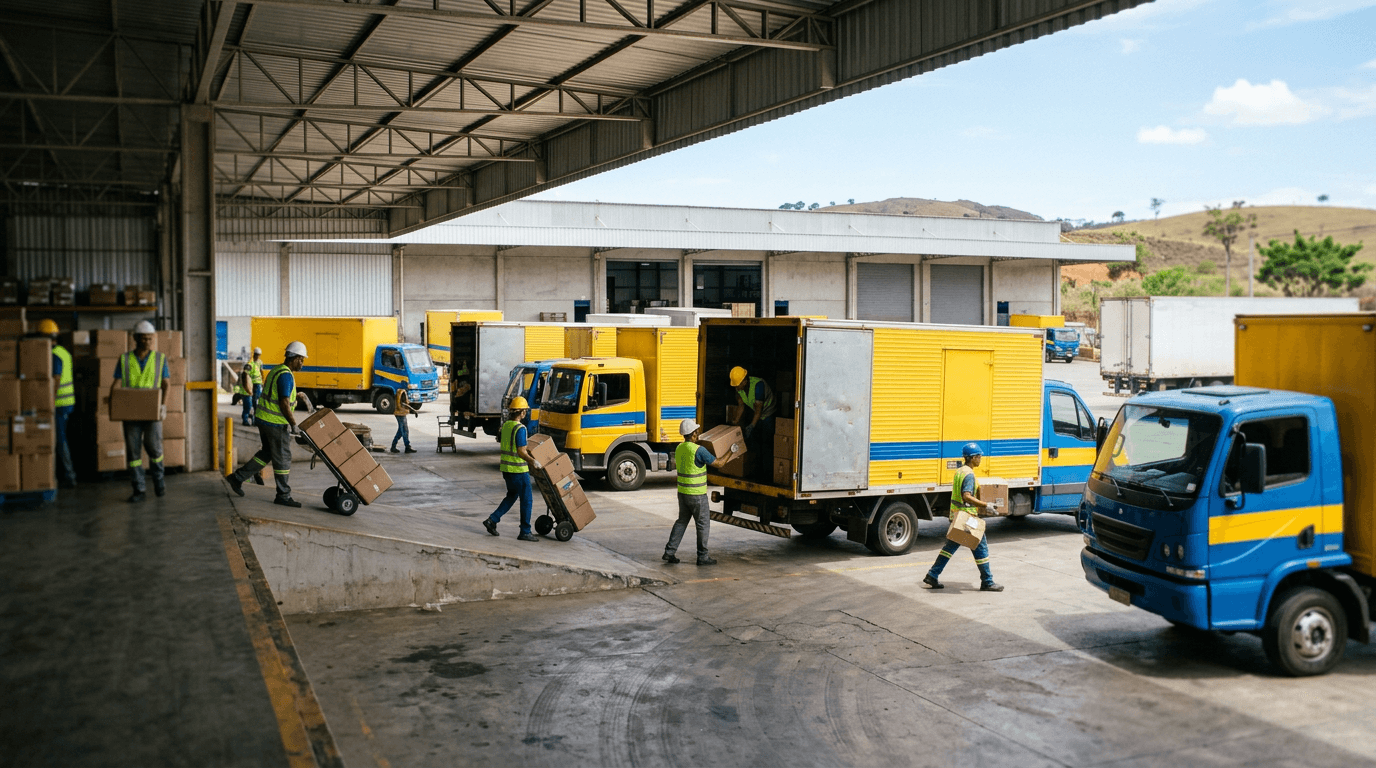
The cost of acquiring online shoppers through digital advertising is rising rapidly, forcing major e-commerce players to rethink how they reach consumers. For international investors tracking Latin American e-commerce giants, the battle for digital real estate is shifting from expensive online ads to shared logistics networks.
On October 15, 2026, Brazilian retail powerhouse Magazine Luiza—locally known as Magalu—announced a major commercial partnership to sell its inventory directly on the platform of Singapore-based Shopee mundologistica.com.br. Under the agreement, Magalu will list its own inventory of electronics, home appliances, and computers on Shopee, while its newly independent logistics arm, Magalog, will handle all deliveries mundologistica.com.br.
By integrating with Shopee, Magalu gains direct access to approximately 90 million monthly active visitors in Brazil mundologistica.com.br. This massive pool of potential buyers allows the Brazilian retailer to scale its sales volume without paying the increasingly high customer acquisition costs associated with traditional digital marketing exame.com. Fabrício Garcia, Magalu's vice president of operations, stated on October 15, 2026, that the company expects 75% of the buyers on these partner platforms to be entirely new customers exame.com.
A Shift in the Brazil E-Commerce War
This alliance is Magalu's third major marketplace integration in 2026 infomoney.com.br. The retailer signed a similar distribution agreement with Amazon in June 2026 and, in a surprising turn, partnered with its direct regional archrival MercadoLibre in September 2026 infomoney.com.br.
The strategy highlights a structural shift in how Brazilian retailers view competition. Instead of spending heavily to pull users into their own apps, regional players are treating rivals as distribution channels. According to a report by investment bank BTG Pactual on October 16, 2026, the primary beneficiary of this strategy is Magalog, Magalu’s logistics division neofeed.com.br.
By delivering packages ordered on Shopee, Amazon, and MercadoLibre, Magalog increases its route density neofeed.com.br. Higher density lowers the average cost of shipping per package, allowing Magalu to maximize the use of its warehouses and delivery trucks neofeed.com.br. BTG Pactual noted that Magalog already generates 30% of its revenue from external corporate clients, signaling its evolution from an internal department into a standalone logistics provider neofeed.com.br.
What Lies Ahead
For global investors tracking Latin American consumer trends, these partnerships reflect a maturing market where logistics efficiency has surpassed aggressive customer acquisition as the key driver of profitability. Analysts from JPMorgan noted on October 16, 2026, that the Shopee deal helps Magalu transition into a specialized category retailer with its own powerful delivery network, rather than trying to be an all-in-one digital mall infomoney.com.br.
The ultimate test for this strategy will come during the high-volume fourth-quarter shopping season, which includes Black Friday and Christmas exame.com. Magalu executives have indicated that the Shopee agreement will be the final partnership of its kind signed in 2026, as the company shifts its focus toward executing and scaling these newly established channels exame.com.
In your brokerage app
MercadoLibre, listed in New York, remains the dominant e-commerce platform in Latin America, but it faces a changing competitive landscape in Brazil, its largest market. Rather than competing individually, regional players like Magazine Luiza and global platforms like Shopee and Amazon are increasingly sharing logistics infrastructure and marketplace channels. This cooperative approach allows smaller competitors to scale their distribution networks and bypass high digital customer acquisition costs.