
Global Speculators Amass Extreme $10 Billion Bullish Bet on Soybean Futures, Signaling Jitters over Brazil Harvest
Speculators hold a massive net-long position in soybeans, betting on tightening global supply amid structural risks for Brazil's massive crop.
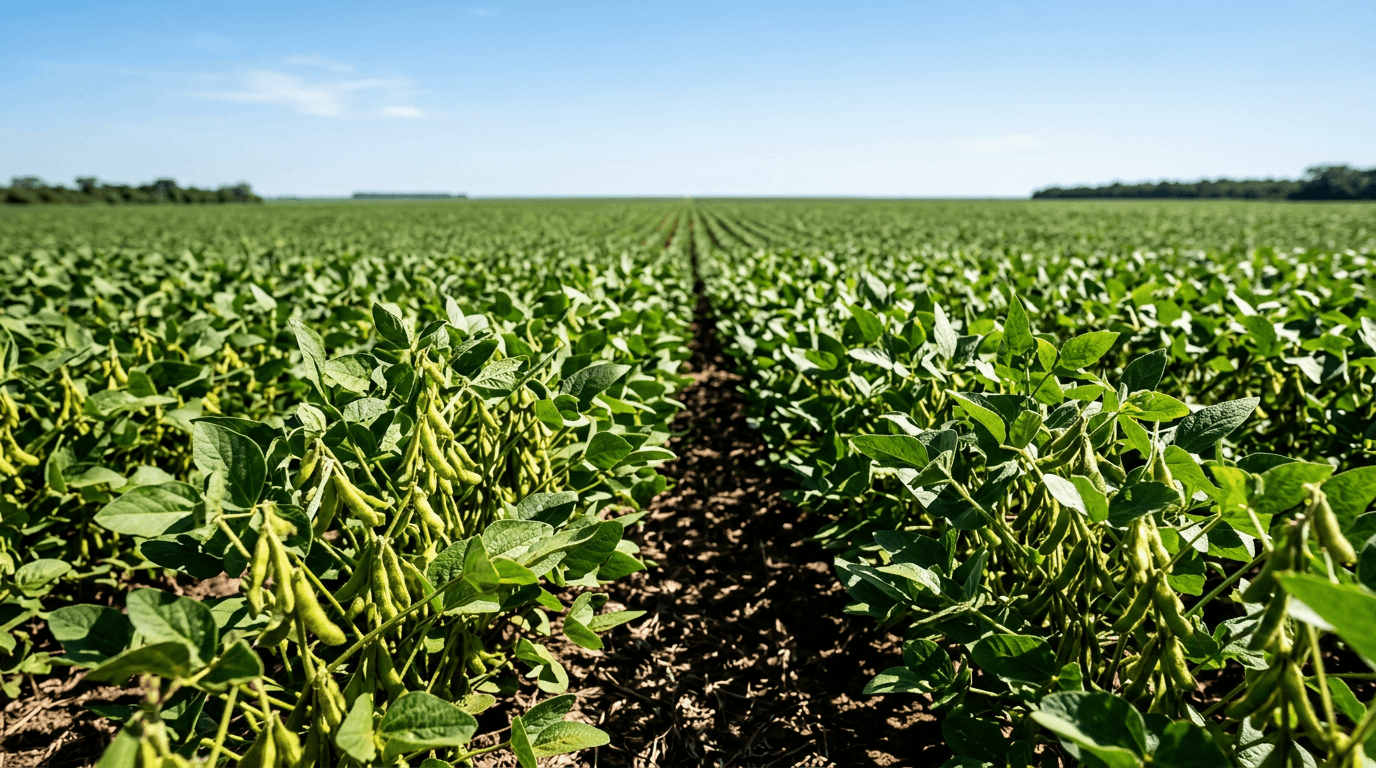
Large institutional speculators have accumulated an extreme net-long position equivalent to over 208,000 contracts in U.S. soybean futures, a massive bullish bet that the global supply of the commodity is set to tighten. The financial position, which is nearing record levels for the asset class, reflects a conviction among hedge funds and other financial players that prices must rise to account for a precarious global supply-and-demand balance and increasing risk surrounding the world's largest producer, Brazil.
The bets are tracked through the Commitments of Traders (COT) report, a weekly breakdown of open interest in U.S. futures markets published by the U.S. Commodity Futures Trading Commission (CFTC). The data shows that "non-commercial" traders—a category dominated by large investment funds and institutional money managers—hold 238,629 long contracts versus only 30,268 short contracts. This aggressive posture in the Chicago market translates directly to Brazil, which has long surpassed the U.S. as the world’s leading exporter of soybeans.
This intense speculative interest is being driven by structural challenges to Brazil’s agricultural machine. While the country's official forecaster, the National Supply Company (Conab), projects a record 2026/27 safra, or harvest, of 181.64 million tonnes, the expected growth rate is minimal, rising only 0.7% year-on-year. This marginal increase comes from the lowest rate of acreage expansion in two decades, constrained by high production costs and borrowing rates. Compounding the pressure is the growing threat of a strong El Niño weather pattern, which historically raises the risk of yield-damaging dry spells in the Brazilian agricultural heartland. In fact, some private consultancies, such as Pátria AgroNegócios, are already forecasting a 3.3% decline in the crop to 173.75 million metric tons due to anticipated lower yields.
For the foreign investor, this positioning signals high volatility ahead for global food prices, which impact everything from cattle feed costs in the U.S. to inflation in China. Should any planting or weather issue emerge in the coming weeks in key producing states like Mato Grosso, Paraná, or Goiás, it would validate the speculators’ extreme long bet and send global soybean prices sharply higher. Conversely, a smooth, successful planting season would likely trigger a massive liquidation of these long contracts, leading to a sudden and significant price correction. The price action will be determined by the weather reports emerging from the Brazilian fields over the next two months.
What it touches The pressure on global soybean prices directly impacts the revenue outlook for Brazil’s massive commodity export sector. Companies exposed to the agribusiness cycle and associated logistics include the meat packer JBS, whose stock trades at $11.57, and the agriculture and farmland company Adecoagro, trading at $10.43, as fluctuations affect feed costs and commodity export values.
(All figures cited are in U.S. dollars and are based on trading as of today.)
Related coverage
Markets · PRO
Brazil’s Top Prosecutor Survives Inquiry Vote Over Jailed Banker Allegations
Published
Markets · PRO
Brazil’s Election-Season Volatility Spreads from Betting Ban to Global Trade Battles
Published
Markets · PRO
Close Brazil Presidential Polls Intensify Fiscal Risk Debate Ahead of October Vote
Published