
Flávio Bolsonaro Camp Pledges to Kill 'Split Payment' Tax Mechanism
Economic coordinator Daniella Marques says a Bolsonaro administration would eliminate the real-time tax collection system to protect small business liquidity.
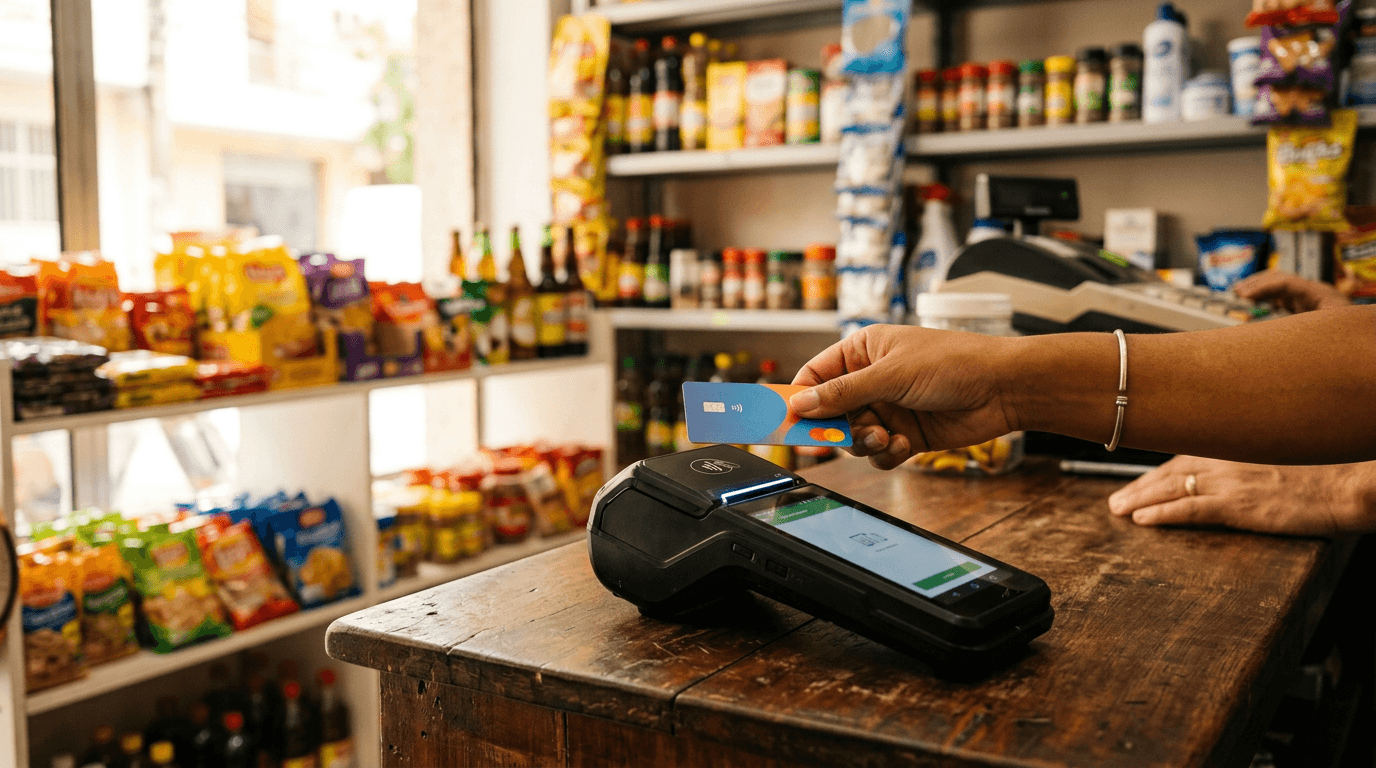
The presidential campaign of Senator Flávio Bolsonaro has pledged to eliminate a core pillar of Brazil's landmark tax reform if elected. Daniella Marques, the campaign’s economic coordinator and former head of state-run bank Caixa Econômica Federal, announced that a Bolsonaro administration would dismantle the "split payment" mechanism. The policy shift is designed to win over the country’s vast small business community, which fears the new system will trigger a severe cash-flow crisis.
The split payment system is a real-time tax collection tool designed by the administration of President Luiz Inácio Lula da Silva. Under the current legislative roadmap, the system will automatically route the tax portion of any digital transaction directly to the government at the moment of sale, bypassing a company's bank account. In Brazil's highly digitized retail landscape, where card and instant payment transactions dominate, this represents a massive shift in how companies manage their daily finances.
For decades, Brazilian businesses have utilized the delay between a customer's purchase and the actual tax due date—often 30 to 90 days—as informal working capital. Critics of the split payment system argue that immediate withholding will suffocate liquidity, particularly for small- and medium-sized enterprises that lack easy access to cheap bank credit. Marques strongly criticized the mechanism during an interview with Brazilian media, arguing that the current government "simply asfixiates the working capital of the small business owner, who is already struggling".
However, tax experts and government officials warn that removing the split payment mechanism could derail the broader tax reform. The system was designed to combat Brazil's chronic tax evasion, which some estimates place at hundreds of billions of reais annually. By ensuring automatic collection, the government hoped to lower evasion rates, which in turn would allow the final Value-Added Tax (VAT) rate to be kept lower. Without split payments, experts warn that evasion will persist, putting upward pressure on the final VAT rate—which is already projected to be one of the highest in the world.
The proposal highlights the deep political divide over the implementation of Brazil's tax reform, which is scheduled to begin its transition phase in 2027. While the Lula administration is moving forward with technical testing of the platform, the Bolsonaro camp is positioning its rollback as a pro-business rescue mission. If the opposition wins the upcoming election, dismantling this mechanism would require navigating a complex legislative battle in Congress to alter the established transition rules.
What it touches
The debate over the split payment system directly exposes payment processors, financial technology firms, and major retail chains to regulatory uncertainty. Companies that rely heavily on short-term working capital cycles, as well as card acquirers and banks tasked with building the technology to split these transactions, face shifting compliance costs depending on the election outcome.