
Extreme Speculative Bet on Soybeans Signals Rally, Boosting Outlook for Brazilian Agribusiness
Large speculators have amassed a massive net-long position in soybean futures, signaling a belief in higher prices for the world’s top exporter, Brazil.
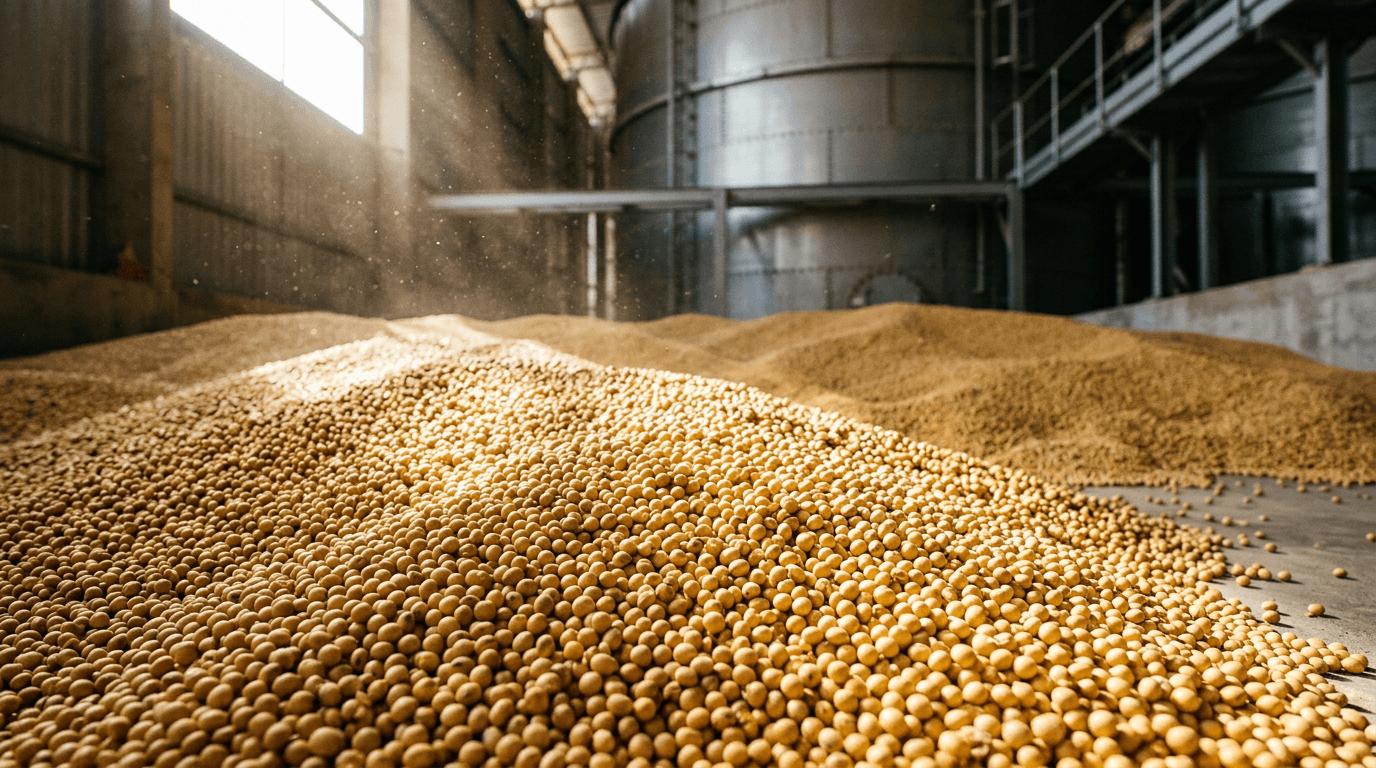
Large commodity speculators, often referred to as "managed money," have placed a massive, highly-concentrated bet on rising soybean prices, a positioning shift that stands to directly benefit Brazilian farmers and the country's sprawling agribusiness sector. Data from the most recent U.S. futures reports show that non-commercial traders hold a net long position of 24,558 contracts in soybean futures, a figure derived from 25,843 long contracts against only 1,285 short contracts. This extreme positioning represents a strong conviction among financial players that the global price of the key oilseed is headed higher, injecting bullish momentum into the commodity crucial for Brazil’s economic health.
The significance of this market move is magnified by Brazil’s dominant position in the global soybean trade. Brazil has firmly established itself as the world's largest soybean producer and exporter, surpassing the United States. Analysts project that in the current marketing year, Brazilian shipments will account for nearly 60% of the global soybean trade, with the country's harvest supplying the bulk of demand, particularly from top importer China. Consequently, any upward movement in the Chicago futures price, which serves as the international benchmark, translates almost immediately into higher revenues for Brazilian exporters, the producers, and the logistics providers moving the crop from the farms in states like Mato Grosso to the ports.
The positioning documented in the Commitment of Traders (COT) report—published weekly by the U.S. Commodity Futures Trading Commission (CFTC)—is typically used by traders to gauge market sentiment. Non-commercial traders, such as hedge funds and large financial institutions, often act as trend accelerators, buying aggressively when they anticipate a rally based on their analysis of supply, demand, and global weather patterns. While such extreme bets can sometimes precede a sharp market correction if the fundamentals do not materialize, the current consensus suggests a widespread belief that global supplies are tightening or demand will surge, creating a powerful tailwind for Brazilian production.
For the Brazilian economy, the sustained high price environment supports the local currency, the real, against the US dollar by increasing the dollar flow into the country from agricultural exports. It also encourages investment and expansion across the Brazilian agribusiness supply chain. However, the key event for speculators and Brazilian producers alike will be the next set of fundamental reports detailing the final output of the U.S. harvest, as any surprise in global inventory could trigger a rapid liquidation of the crowded long position.
What it touches The bullish outlook for soybeans provides indirect support for publicly traded Brazilian agriculture and protein companies. This includes companies like JBS N.V. (JBS), which processes soybeans for animal feed, and Adecoagro S.A. (AGRO), which owns and operates farmland in the region. Strong soybean prices tend to lift the entire agricultural commodity complex.
Related coverage
Markets · PRO
Lula Heads to UN to Defend Sovereignty Amid Escalating Supreme Court, Election Tensions in Brazil
Published
Markets
Brazil’s Lula Takes Institutional Crisis to UN Stage, Frames Fight for Sovereignty
Published
Markets
Brazil’s Supreme Court Orders Sweeping Overhaul of Securities Regulation After Massive Financial Fraud Scandal
Published