
Brazil’s ‘King of Soy’ Warns Political Confrontation with China is a ‘Great Danger’ to Agribusiness
Blairo Maggi, Brazil's powerful former Agriculture Minister, cautions that political disputes risk the nation's key trade relationship with Beijing.
Blairo Maggi, the billionaire former Agriculture Minister and political leader known as the “King of Soy,” issued a sharp warning that a political push toward the United States should not alienate Brazil from its primary commercial partner, China. Maggi explicitly stated that political confrontation with Beijing poses a "great danger" to the country’s crucial agribusiness sector, a significant political risk for Brazil’s economic stability in the context of the upcoming election.
Maggi, whose family controls the Amaggi Group empire and who previously served as a senator and governor of the major grain-producing state of Mato Grosso, was direct in his criticism of the strategy pursued by former President Jair Bolsonaro. During the Bolsonaro administration, figures within the government frequently adopted a combative posture toward Beijing while attempting to forge closer political ties with Washington. Maggi’s warning, according to Brazilian media, stressed that any strategic alignment with the U.S. cannot come at the expense of Brazilian exports.
The "great danger" Maggi cited stems from Brazil's profound reliance on the Chinese market. China is Brazil's single largest trading partner, accounting for approximately 30% of total Brazilian exports in 2023, valued at over $100 billion. The relationship is particularly critical for the powerful agricultural lobby, which Maggi has long led. The agribusiness sector sends around one-third of its total export value to China, which makes Brazil the largest source of agricultural imports for China globally.
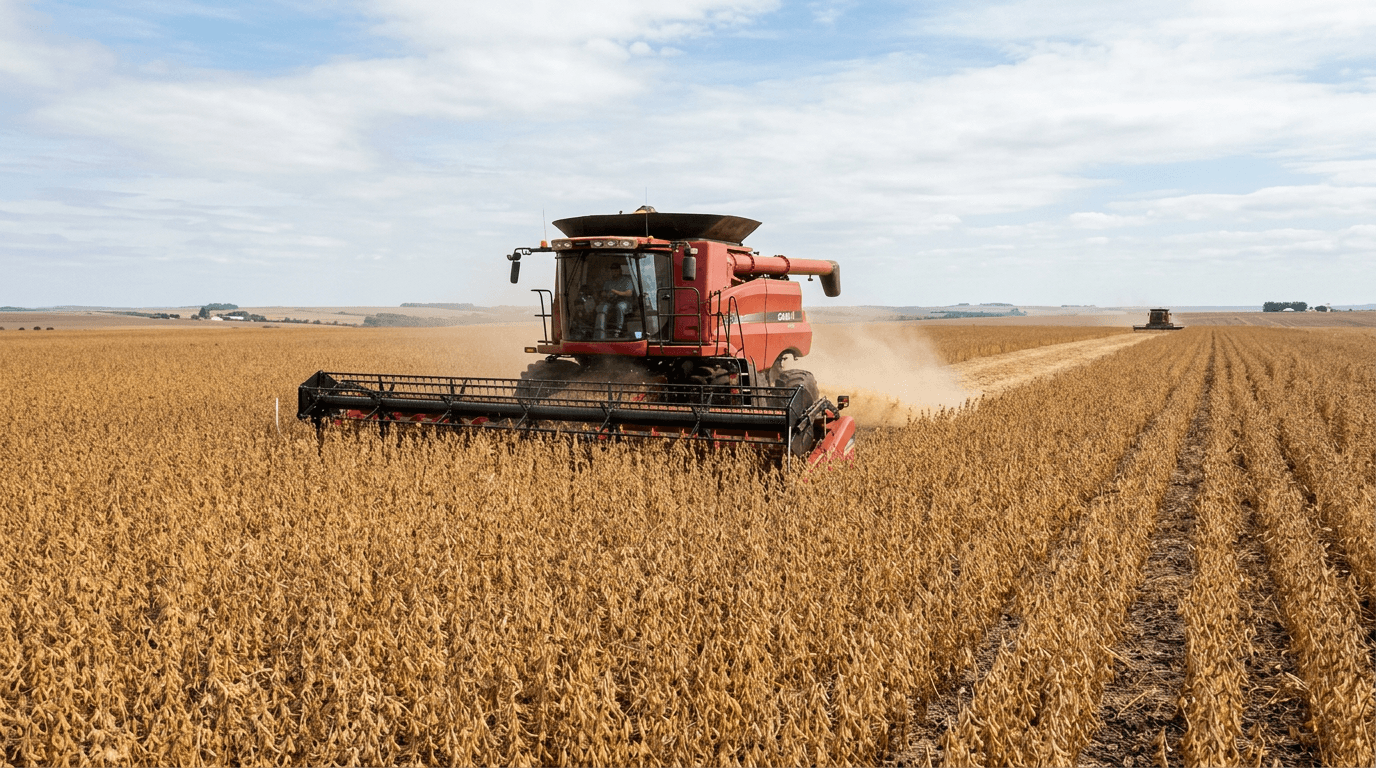
This dependence is concentrated in high-volume commodities. China purchases roughly 73% of all Brazilian soybean exports and over half of all Brazilian beef exports. The mechanism Maggi is warning about is the direct, instantaneous economic damage that a political dispute could inflict: even a minor disruption in this trade flow could collapse prices and create a massive commodity overhang, delivering a shock to the $58.6 billion in agricultural products Brazil sold to China in 2023. This trade volume is essential to maintaining Brazil’s trade surplus and underpinning the country's economic growth.
The commentary from a figure as influential as the "King of Soy" serves as a public declaration of the farming lobby’s priority: economic access to the Chinese market must supersede political ideology. The implicit message for political candidates is that Brazil’s agriculture-driven economy cannot afford a trade war. The next step to watch is how other key leaders of the powerful bancada ruralista (agribusiness caucus) in Congress publicly react to Maggi’s warning as the election cycle intensifies.
What it touches Any threat to Brazil’s massive export surplus with China directly impacts the Real’s value and broad market sentiment for Brazilian assets. Companies tied to the protein and agricultural export chain, such as JBS S.A. (JBS) and Adecoagro S.A. (AGRO), are especially exposed to the stability of the China-Brazil trade relationship, as a significant portion of their revenue depends on Chinese demand.