
Brazilian Beef Industry Pushes for Swift EU Market Re-Entry Following Antimicrobial Ban
Brazil's beef exporters expect the EU to lift its import ban, but are lobbying for a transition rule to bypass the strict, retroactive traceability requirement.
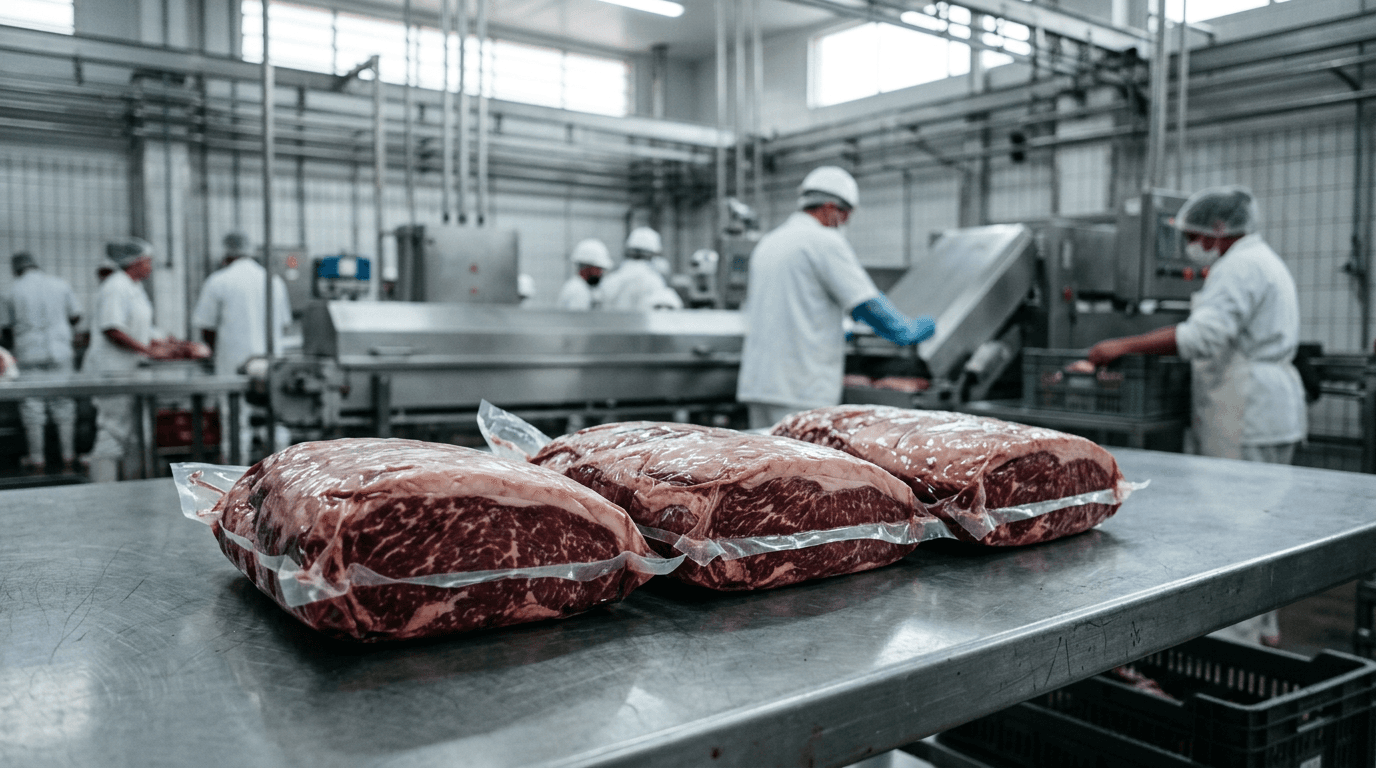
Brazil’s beef exporters are pushing for a speedy return to the lucrative European Union market, which has been closed since a regulatory ban on imports took effect in September 2026. The Brazilian Association of Beef Exporters (Abiec) remains optimistic that the European Union will remove the suspension this year, but is urging the Brazilian government to negotiate a special transition rule to allow immediate sales.
The EU suspension was triggered not by a contamination event, but by Brazil’s failure to provide sufficient official guarantees that its entire livestock production system complies with the bloc’s strict new rules on the use of antimicrobials—specifically, antibiotics and growth promoters. The European Commission concluded that Brazil could not provide the required level of assurance that these substances were not used in animals destined for the EU market.
The core hurdle for re-entry is the EU’s requirement that compliance be demonstrated for an animal’s entire life cycle, a traceability rule that could retroactively require up to two years of documentation per head of cattle. The Brazilian beef industry, which views the EU as a critical high-value market for specific cuts, has warned that full compliance with this timeline would severely delay the resumption of trade. A transition rule would effectively allow exporters to use animals already in the system, rather than waiting for newly born cattle to meet the full two-year compliance window.
Prior to the ban, Brazil was the EU’s second-largest supplier of beef. In 2025, Brazil shipped approximately 108,000 tonnes of beef to the bloc, generating roughly $1 billion in revenue. Abiec has worked with local authorities to develop a private protocol for its members to track cattle from birth to slaughter, establishing the systems the EU requires. Despite these efforts, the EU rejected an earlier request for a transition period.
The next concrete step required before the market can reopen is an on-site audit by an EU technical mission to verify the new Brazilian protocols. However, this critical inspection has not yet been scheduled. Industry analysts suggest that due to the complexity of the cattle traceability issue, the market suspension for Brazilian beef could remain in place until at least the second half of 2027.
What it touches
The continued closure of the EU market directly impacts Brazil’s largest meatpackers, including those with significant exposure to Brazilian beef exports and global trade. The sector leaders, such as JBS (NYSE: JBS), remain exposed to the reduced capacity to sell high-value cuts to one of the world's most profitable consumer blocs, though they can redirect volume to other markets like China and the US.