
Record Soybean Processing Outlook Boosts Brazil Agribusiness Credit
Brazil's record 2026 soybean crush forecast of 63.3 million tonnes supports the credit profiles of agribusiness-focused Fiagro investment funds.
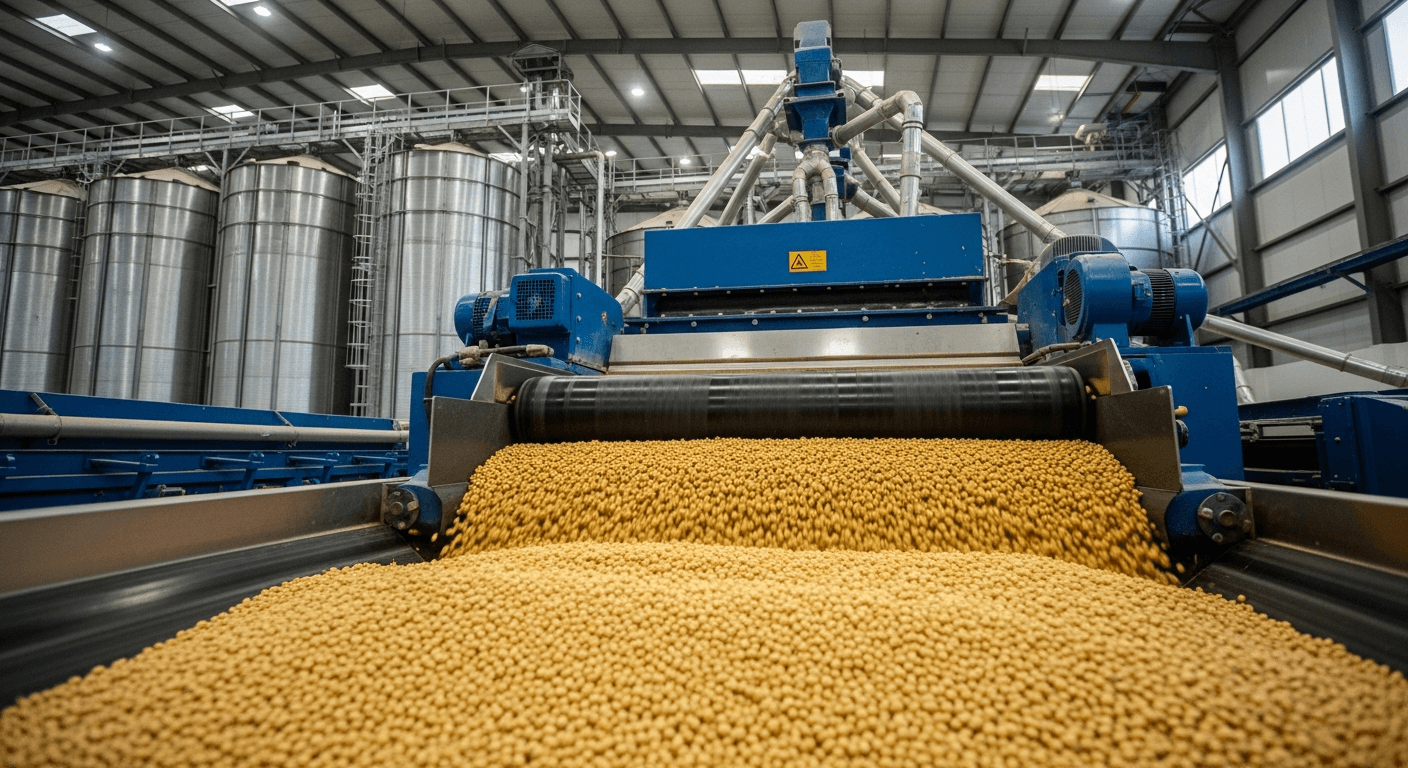
Brazil’s agribusiness sector has received a significant boost from a projected record volume of domestic soybean processing for 2026, creating a macroeconomic tailwind that analysts say could strengthen the credit profile of specialized investment vehicles known as Fiagros. The Brazilian Association of Vegetable Oil Industries (Abiove) recently raised its forecast for the national soybean crush to a record 63.3 million tonnes, a figure that reflects ongoing investment in processing capacity across the country. This upward revision comes as the nation’s total soybean harvest for the 2025/26 season is expected to top 180 million tonnes, cementing Brazil’s role as the world's leading supplier and providing a strong economic backdrop for the rural credit chain.
Market observers note this favorable macro picture is drawing attention to Agribusiness Funds (Fiagros) listed on the B3 exchange, such as the Suno Agro fund (SNAG11), which specialize in financing the sector. The mechanism linking this vast crop volume to fund performance is tied to credit risk. Fiagros predominantly hold Certificates of Agribusiness Receivables (CRAs), which are debt instruments backed by the revenues of producers, cooperatives, and processors. Industry analysts suggest that when harvest and processing volumes set records, it generally supports the underlying credit quality of these assets, as the entities responsible for repaying the debt have improved revenue and cash flow expectations, lowering overall default risks. For global investors looking to invest in Brazil, these vehicles offer an alternative to direct farmland or commodity exposure.
According to recent fund disclosures, managers of vehicles like the SNAG11 Fiagro have actively directed capital toward alleviating key industry bottlenecks, such as storage capacity and irrigation infrastructure. The gap between production and available storage remains a multi-billion dollar challenge in Brazil. By allocating resources to these projects, sector funds are financing operational improvements that enhance productivity and help de-risk the assets, ensuring that the record soybean complex output can be monetized efficiently.
Amid a slightly down day for the benchmark Ibovespa today, which sits at 177,726.17 (-0.09%), the inherent strength of the agribusiness theme remains evident. Related US-listed stocks and ADRs, such as Adecoagro S.A. (AGRO) and JBS N.V., have shown resilience, signaling market confidence in the sector's long-term health. For those tracking the broader market via the Brazil ETF (EWZ), the sustained, record-breaking performance of the Brazilian soybean complex suggests that the positive momentum supporting specialized financial products is driven by structural shifts in global demand.
Looking ahead, market participants will monitor the actual pace of farmer sales and the utilization rate of Brazil's expanding processing capacity. The critical metric to watch will be the supply-demand balance and its impact on the secondary market for CRAs. If processing and export demand remain robust, it will continue to support the strategy of Fiagros focused on the credit and infrastructure side of the agribusiness chain, providing a crucial liquidity link to the engine of the Brazilian economy.
Related coverage
Investing · PRO
Brightshore Capital, Formerly GTIS Partners, Launches $250 Million Debt Platform Eyeing Brazilian Real Estate
Published
Investing
Brazil’s Fixed Income Market Nears R$10 Trillion Milestone Amid B3 Volume Surge
Published
Investing
Brazil’s Suzano Targets $11 Billion Debt Level After Major Pulp Expansion
Published