
MercadoLibre Price Target Cut by Citi Ahead of Q3 Earnings
Citi analyst Joao Pedro Soares lowered MercadoLibre's price target to $2,100, citing margin pressure from heavy investments in Brazil.
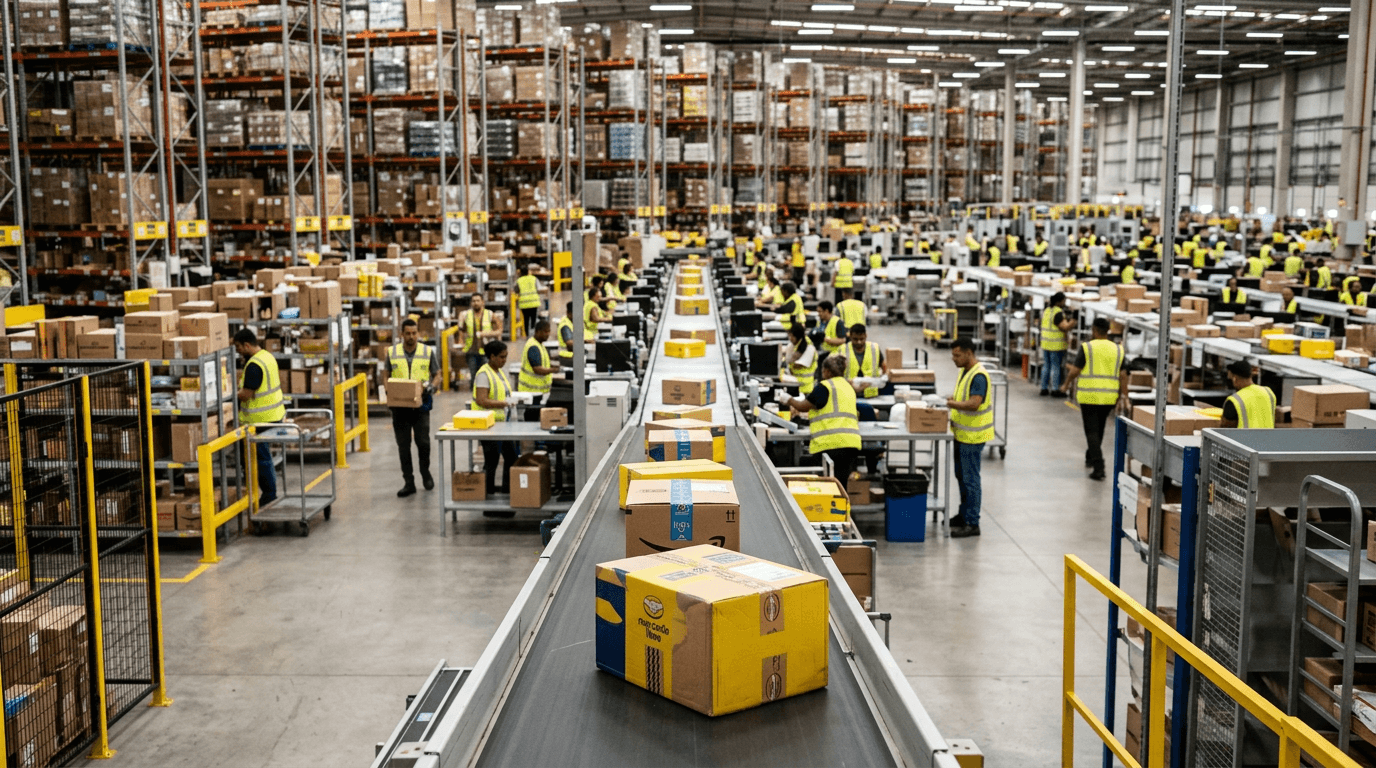
U.S. retail investors holding Latin America's premier consumer discretionary stock in their portfolios are facing a more cautious outlook from Wall Street. On October 13, 2026, Citigroup analyst Joao Pedro Soares lowered his price target on MercadoLibre to $2,100 from $2,150. While the bank maintained its Neutral rating on the shares, the revision signals a growing wariness over the e-commerce giant's profit margins ahead of its third-quarter earnings release, estimated for early November 2026.
The primary driver behind the trimmed expectations is Brazil, which represents MercadoLibre's largest single market and accounts for over 50% of the company's net revenues. To defend its dominant position, the company has engaged in aggressive spending to counter rising Amazon MercadoLibre Brazil competition and pressure from Asian discount platforms like Shopee. While these heavy investments have successfully driven top-line growth, they have also triggered persistent margin compression that has made short-term profitability difficult for analysts to model.
The Margin Trade-Off in Latin America's Largest Market
The strategic dilemma facing MercadoLibre is a classic trade-off between scale and profitability. In previous quarters, the company reported a massive 49.8% year-over-year surge in revenue to $10.17 billion, yet its operating income fell 17% to $683 million as management aggressively reinvested in growth. These investments include expensive initiatives such as lowering the free shipping threshold in Brazil and reducing shipping fees for sellers to lock in customer loyalty.
While these capital allocations strengthen the company's long-term moat, they have forced Wall Street to adjust its near-term expectations. Citi’s Joao Pedro Soares has previously warned that the market may be pricing in a margin recovery much sooner than is realistic, noting that the company's operating margins may take a long time to recapture the basis points lost to shipping subsidies and promotional events.
Political and Economic Realities
For foreign investors, the margin squeeze is compounded by broader macroeconomic dynamics in South America. Brazil's retail sector is highly sensitive to local interest rates and consumer credit conditions, which are heavily influenced by the country's fiscal policies. As Brazil navigates its current political cycle, any shifts in consumer tax policies or credit regulations directly impact MercadoLibre's fintech arm, Mercado Pago, which serves as a crucial engine for the company's overall monetization.
Despite these headwinds, the broader consensus on Wall Street remains cautiously optimistic, with many analysts viewing the current spending as a necessary step to secure long-term market dominance. While Citi remains on the sidelines with a Neutral rating, other firms, such as Susquehanna, recently raised their price target to $2,400, highlighting the deep division among analysts over how quickly MercadoLibre can turn its massive scale into bottom-line profits.
In your brokerage app
MercadoLibre, Inc. is listed in New York on the NASDAQ under the ticker MELI. For retail investors seeking diversified exposure to Latin American e-commerce and fintech without holding individual equities, the company is a major holding in broad-market exchange-traded funds, such as the iShares MSCI Brazil ETF (EWZ) and the Ark Fintech Innovation ETF (ARKF).