
IFIX Retreats as CACR11 Jumps 4.81% and RCRB11 Leads Losses
Brazil's IFIX index fell 0.18% to 3,798.06 points as CACR11 surged and RCRB11 led daily losses, highlighting sharp divergence in the B3 real estate market.
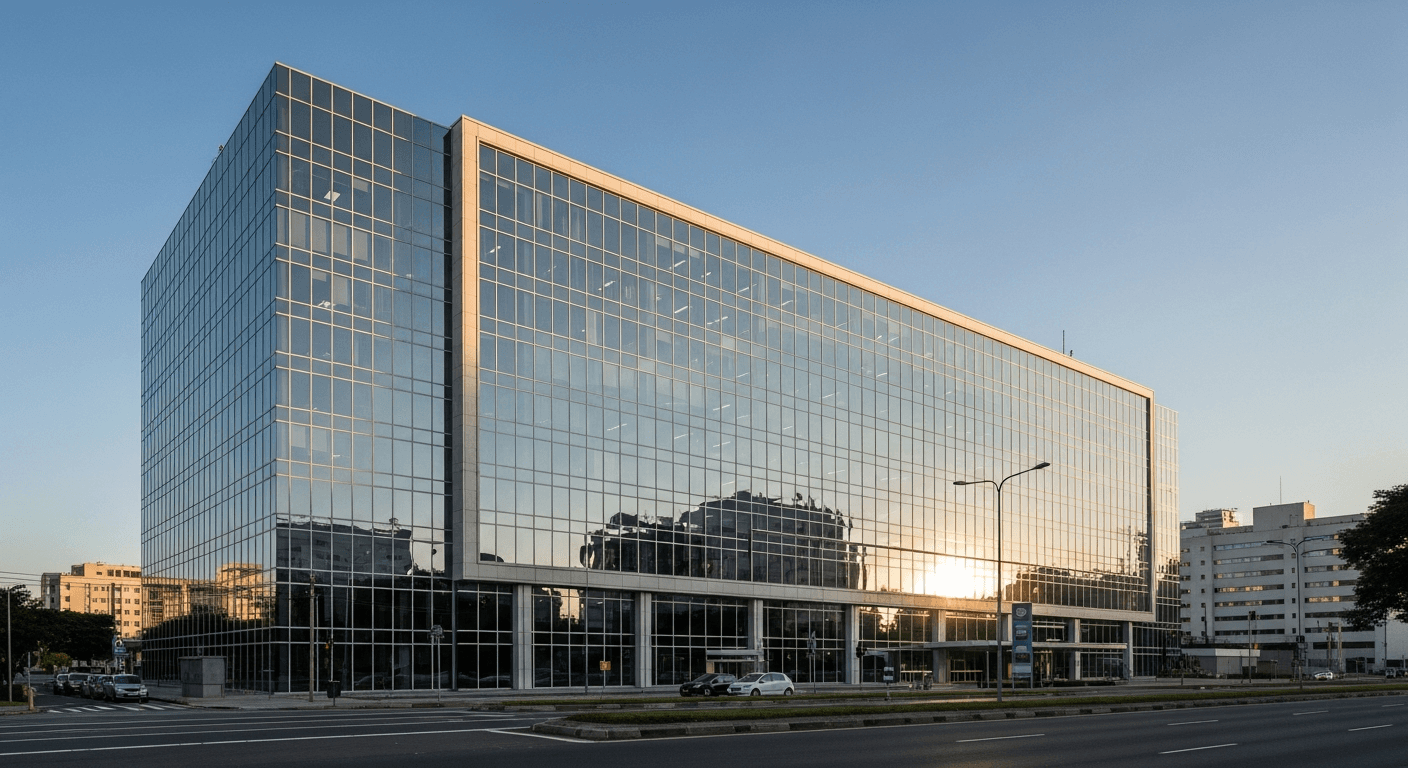
The Brazilian real estate investment trust index, the IFIX, retreated 0.18% to close at 3,798.06 points, highlighting a sharp performance divergence across different segments of the local property market. While the broader index faced downward pressure, individual funds experienced highly volatile sessions. The Cartesia Recebíveis Imobiliários fund (CACR11) emerged as the day's top performer with a 4.81% jump to R$ 16.35, while the Rio Bravo Renda Corporativa fund (RCRB11) led the daily losses, sliding 2.04% to close at R$ 136.82.
This divergence underscores the contrasting forces currently shaping the Brazilian real estate market (FIIs). High-yield paper funds, or receivables funds like CACR11, continue to attract buying interest as investors seek to hedge against persistent inflation and high domestic interest rates. Conversely, brick-and-mortar funds—particularly corporate office (lajes corporativas) vehicles like RCRB11—faced notable selling pressure. The brick segment fell 0.29% overall, weighed down by a 0.15% drop in corporate offices and a 0.41% decline in logistics assets.
The broader Brazilian financial market showed mixed results alongside the real estate index. The benchmark Ibovespa index (IBOV) closed virtually flat at 175,334.45 points (+0.00%), supported by gains in major banking institutions like Itaú Unibanco (ITUB4: 42.69, +1.40%) and mining giant Vale (VALE3: 75.69, +0.60%). However, these gains were offset by a sharp decline in state-run oil firm Petrobras (PETR4: 41.01, -2.84%), which fell in tandem with international crude prices. For global investors tracking B3 stocks through the main Brazil ETF (iShares MSCI Brazil ETF, ticker EWZ) or major ADRs like PBR and VALE, the localized volatility in real estate highlights the tactical shifts occurring within domestic Brazilian portfolios.
Looking ahead, market participants will closely monitor macroeconomic indicators, including the upcoming Copom interest rate decision and official IPCA inflation data, which heavily dictate the yield spreads of paper-based FIIs versus physical property assets. While the IFIX remains comfortably above its 52-week low of 3,402.09 points, persistent high interest rates may continue to favor receivables funds over corporate office and logistics trusts in the near term.
Related coverage
Investing · PRO
Brightshore Capital, Formerly GTIS Partners, Launches $250 Million Debt Platform Eyeing Brazilian Real Estate
Published
Investing
Brazil’s Fixed Income Market Nears R$10 Trillion Milestone Amid B3 Volume Surge
Published
Investing
Brazil’s Suzano Targets $11 Billion Debt Level After Major Pulp Expansion
Published