
Homebuilder MRV posts record sales and R$ 456 million cash generation
Brazilian homebuilder MRV overcame a major federal bank strike to post record pre-sales and BRL 456 million in cash generation in the third quarter of 2026.
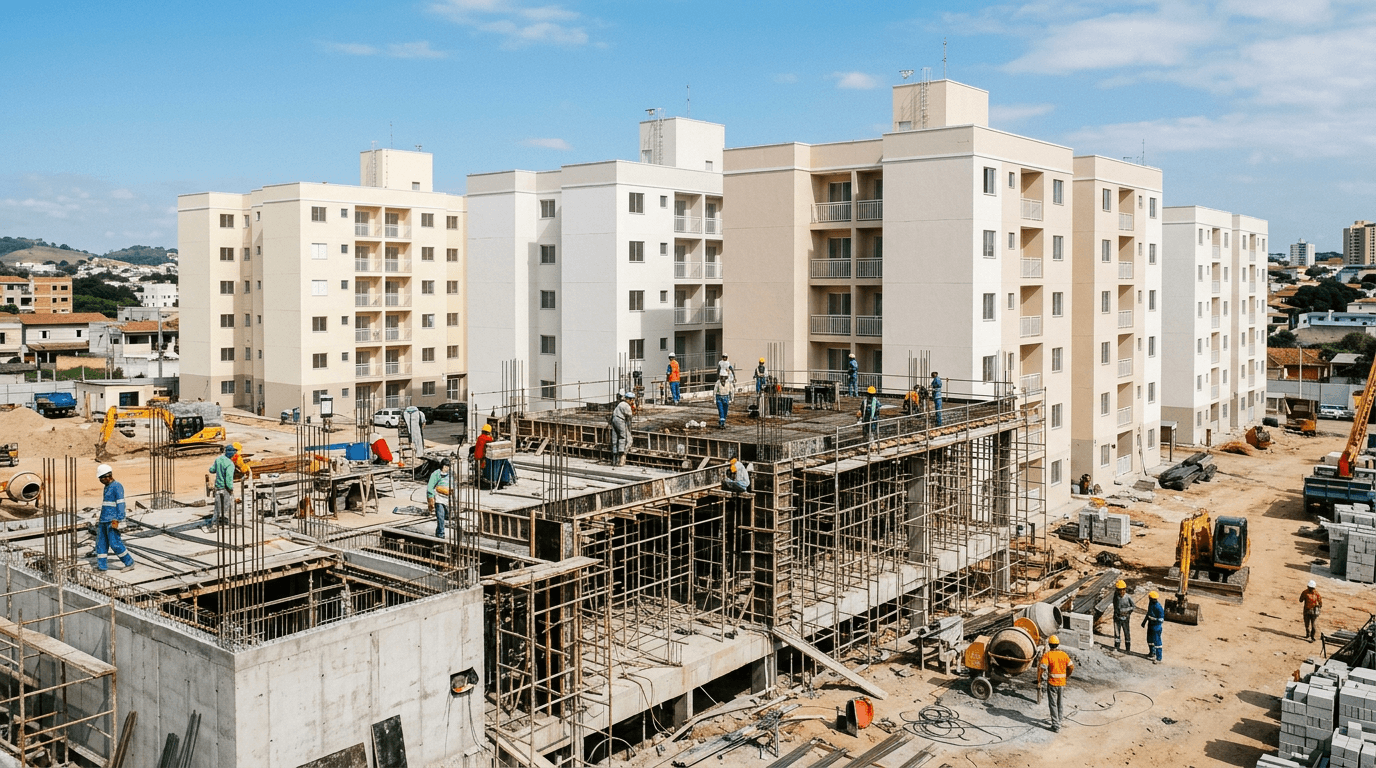
Global real estate investors tracking consumer resilience in emerging markets are getting a clear signal from Latin America’s largest economy. Despite high interest rates and a major operational disruption at Brazil's primary federal mortgage lender, the country’s largest low-income homebuilder has managed to post record-breaking sales and a massive cash injection.
Brazilian homebuilder MRV Engenharia reported on October 8, 2026, that its broader group operations generated R$ 456 million in cash during the third quarter of 2026. The robust performance came even as a strike at Caixa Econômica Federal—the state-owned bank that administers Brazil's massive federal housing program, Minha Casa Minha Vida—stymied the processing of routine mortgage transfers and delayed normal receivables.
The company's real estate development core generated R$ 130 million in cash when excluding the operational delays caused by the Caixa strike. On an adjusted basis, which accounts for those pending bank transfers, the development unit recorded a minor cash outflow of R$ 2.28 million. Despite these temporary bottlenecks, consumer demand remained historically high: MRV’s net pre-sales surged 29.6% year-on-year to reach a record R$ 3 billion in the third quarter of 2026, according to its October regulatory filing.
Deleveraging through asset sales
To protect its balance sheet from Brazil's double-digit interest rates, MRV has spent the year executing a strict deleveraging and corporate simplification strategy. A significant portion of the third-quarter cash generation was driven by strategic asset sales. This included liquidating properties in its U.S. multifamily housing subsidiary, Resia, alongside domestic transactions.
A key pillar of this cash-generation push was finalized on October 1, 2026, when MRV closed the sale of three residential properties from its Luggo rental division. The transaction, valued at R$ 166 million, transferred the properties to a real estate investment fund structured alongside JiveMauá Real Estate. According to company filings, the deal immediately unlocked R$ 144 million in cash, with the remainder to be paid over time. Following the sale, MRV will manage the properties but halt new rental construction to focus entirely on its core, cash-generating development projects.
Navigating political and credit risks
For foreign investors, the performance highlights how Brazilian corporate credit can withstand local macroeconomic headwinds. The Minha Casa Minha Vida program is heavily tied to federal budget allocations and political support, making MRV's business model sensitive to government policy.
However, the structural demand for affordable housing in Brazil has historically bridged political divides. With the company's average apartment sale price rising 3.1% year-on-year to R$ 276,000, MRV's ability to maintain sales momentum and generate cash through private asset sales offers a buffer against state-level operational risks like the Caixa bank strike.
In your brokerage app
For retail investors looking to gain exposure to Latin American real estate and consumer credit, MRV Engenharia is traded on the Brazilian stock exchange B3 under the ticker MRVE3. While the company does not maintain a direct New York listing, its performance heavily influences broad emerging market real estate funds and Brazil-focused exchange-traded funds, such as the iShares MSCI Brazil ETF (EWZ), which holds a basket of the country's leading consumer, financial, and industrial equities.