
GPA Wins Court Approval for R$ 4.6 Billion Debt Restructuring
Brazil's major supermarket operator GPA secured judicial approval for its out-of-court restructuring plan, easing severe short-term liquidity pressures.
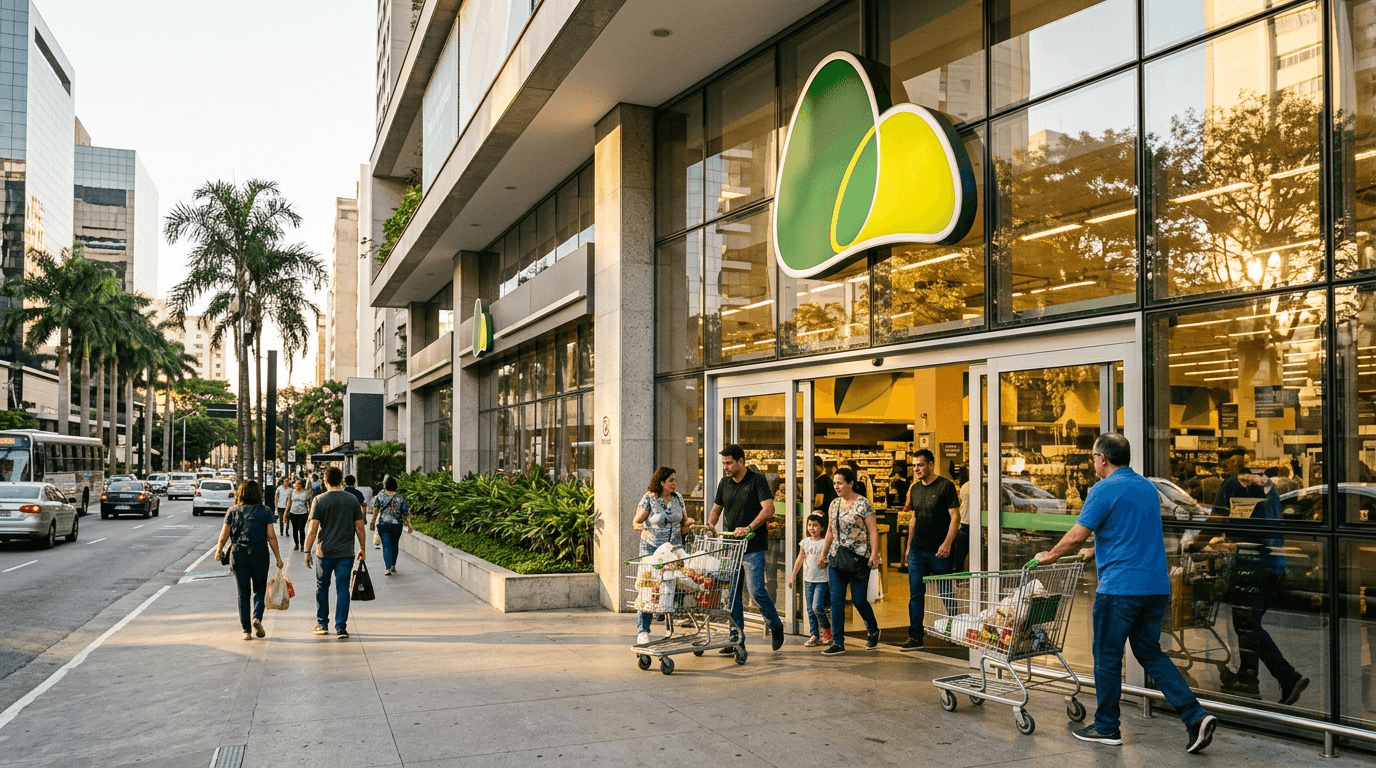
On October 7, 2026, the 3rd Bankruptcy Court of São Paulo officially approved the out-of-court restructuring plan of Companhia Brasileira de Distribuição, widely known as GPA. The decision by Judge Larissa Gaspar Tunala validates the restructuring of R$ 4.568 billion ($815 million) in non-current unsecured liabilities, bringing much-needed relief to one of Brazil’s most prominent retail giants.
GPA is the household name behind Pão de Açúcar, a premium supermarket chain that has anchored Brazilian middle- and upper-class grocery shopping for decades. The group had been struggling under a heavy debt load accumulated during aggressive expansion phases and subsequent economic downturns. By securing judicial approval, GPA successfully averts a more disruptive, full-blown bankruptcy protection process, ensuring that its daily supermarket operations, employee payrolls, and relationships with direct commercial suppliers remain entirely unaffected.
The approved plan restructures R$ 4.568 billion in unsecured debt that is not tied to daily operations like rent or supply chains. GPA secured the formal agreement of 57.49% of the affected creditors, surpassing the legal threshold required for court validation. Under the new terms, the company will significantly stretch its repayment timeline, spreading R$ 2 billion in cash debt amortizations through 2036. Crucially, the plan also includes a massive debt-to-equity conversion option of R$ 1.1 billion, alongside the issuance of new debentures to raise R$ 200 million in fresh capital.
This restructuring marks a critical turning point for GPA’s capital structure. Prior to the court's decision, the retailer faced an aggressive repayment schedule, with R$ 1.9 billion due in 2026 alone and a short average debt maturity of just 2.1 years. By pushing these liabilities into the next decade, the company dramatically reduces its short-term liquidity pressures, allowing management to focus on operational efficiency and store performance rather than immediate default risks.
What it touches
The successful debt restructuring directly impacts GPA's publicly traded shares (PCAR3) on the B3 exchange in São Paulo. Following the judicial announcement, investor confidence surged, driving GPA's common shares up by more than 10% during Wednesday's trading session. The resolution of this debt overhang removes a major discount on the stock, positioning the broader Brazilian retail sector for a potential reassessment of risk as one of its largest players stabilizes its balance sheet.